Committed to sustainability

CORFO Technological Institute

News

Video
14 May 2021

It is the action of returning to the sea the species caught unintentionally in fishing operations. Why happens? Sometimes nets catch, along with commercial interest species, others that cohabit with them, which are discarded since they have no economic value, or are species with a ban or fishing quotas, whose landing is sanctioned. How to reduce it? Through fishing gear designs improvements and detection technologies that allow capturing only commercial species and / or modifying periods and fishing zones....

10 May 2021

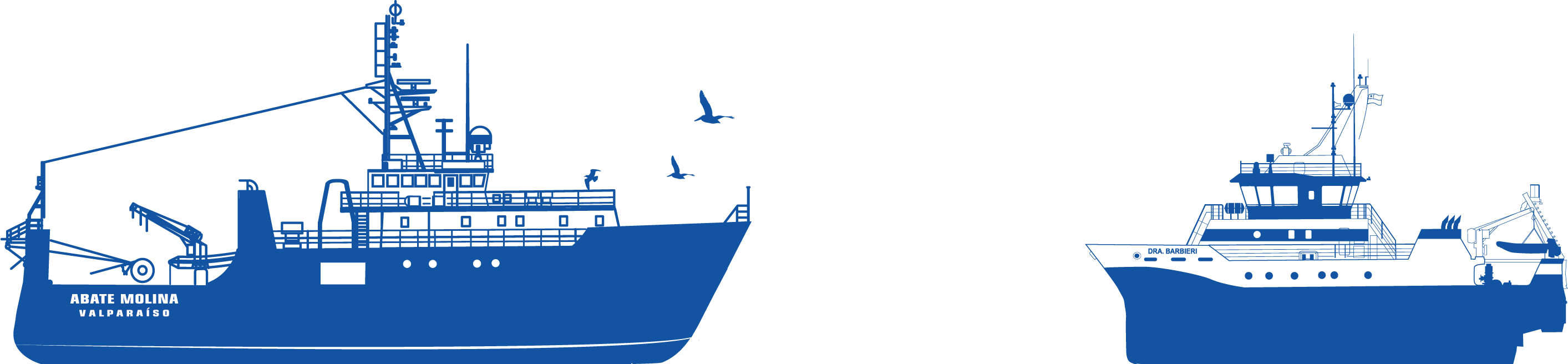
On May 8th, with a crew of 27 people, Fisheries Development Institute’s Abate Molina Scientific Vessel set sail from Valparaíso’s Port to evaluate and characterize anchovy and common sardine stock resources present between the regions of Valparaíso and Los Lagos, through hydroacoustic method, during maximum recruitment period and immediate fall. In this scientific journey, the ship’s captain is Takashi Abe and as cruise’s head is fishing engineer Álvaro Saavedra. Specific objectives To estimate anchovy and common sardine resources stock’s...

Video
10 May 2021

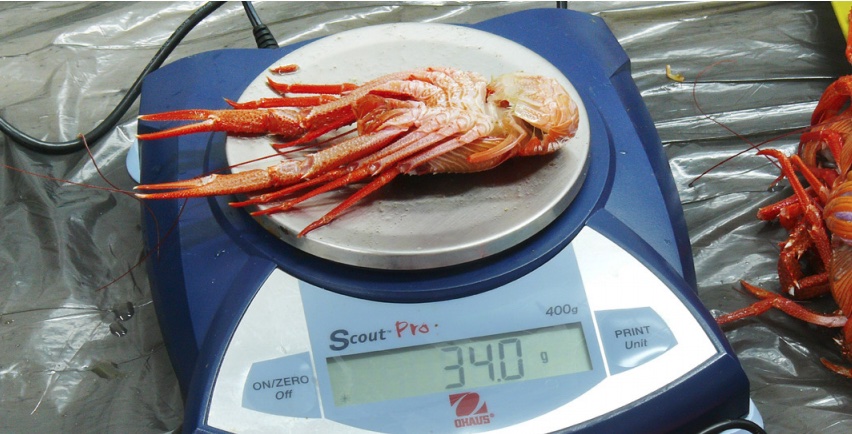
It is the prohibition to capture marine resources in the months that they are spawning or laying their eggs. Thus, it is possible to protect their reproductive process and maintain the renewal of populations, particularly those species that mature late or are more vulnerable to fishing action. Octopus: It reproduces for the first time at 4-6 months of age, with 12.5 cm Anchovy: at 11 months; 12 cm Red prawn: at 2 years and 4 months; 2.56 cm Common...

Video
10 May 2021

These vessels have specialized equipment and laboratories to estimate biomass ( fish abundance ) or fishery resources spatial distribution . In addition, and among other tasks, they monitor environmental and oceanographic conditions to predict and relate marine fauna behavior with environmental conditions. How is fish biomass determined? In scientific vessels there are sensors that emit sound waves that bounce off the shoals, producing a return echo, which allows the biomass to be investigated. This technique is known as hydroacoustic...

7 May 2021

Today, Friday May 7th, webinar “Invasive Exotic Species: from a comprehensive view” is held, organized by Sernapesca, in which Dr. Alejandra Oyanedel, from the Fisheries Development Institute (IFOP) participates with the talk Didymo la microalga invader that is here to stay. Dr. Oyanedel explained “Didymosphenia geminata, commonly called ‘didymo’ or ‘rock mucus’, is an invasive exotic microalgae that proliferates rapidly and develops massive blooms in rivers and lakes that have a low nutrient load. In this way, this microalgae...

6 May 2021

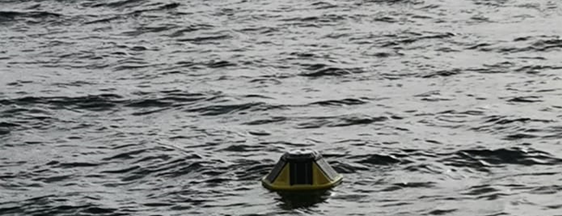
Fisheries Development Institute (IFOP) made a strategic alliance with Sofar Ocean (Sofar) to deploy Drift Marine Buoys in national waters for waves measurementss and currents estimation. The first shipment of 10 buoys was received at IFOP’s offices in Valparaíso, by Hernán Reyes, Oceanography section chief, who explained “then they will be shipped and deployed on Abate Molina Research Vessel. The buoys are part of an oceanographic study sponsored by the US Naval Research Office (ONR) and once launched, Sofar...

5 May 2021

It is about “Science to protect the sea”, a campaign made up of audiovisual content with sign language, which seeks to bring the ocean closer to all citizens. Fisheries Development Institute and Explora Valparaíso Project, wich belong to the Science, Technology, Knowledge and Innovation Ministry, launched through their social networks “Science to protect the sea”, animated content in which scientific research that It is carried out in Chile and in the Valparaíso Region for the protection of the oceans...

Video
3 May 2021

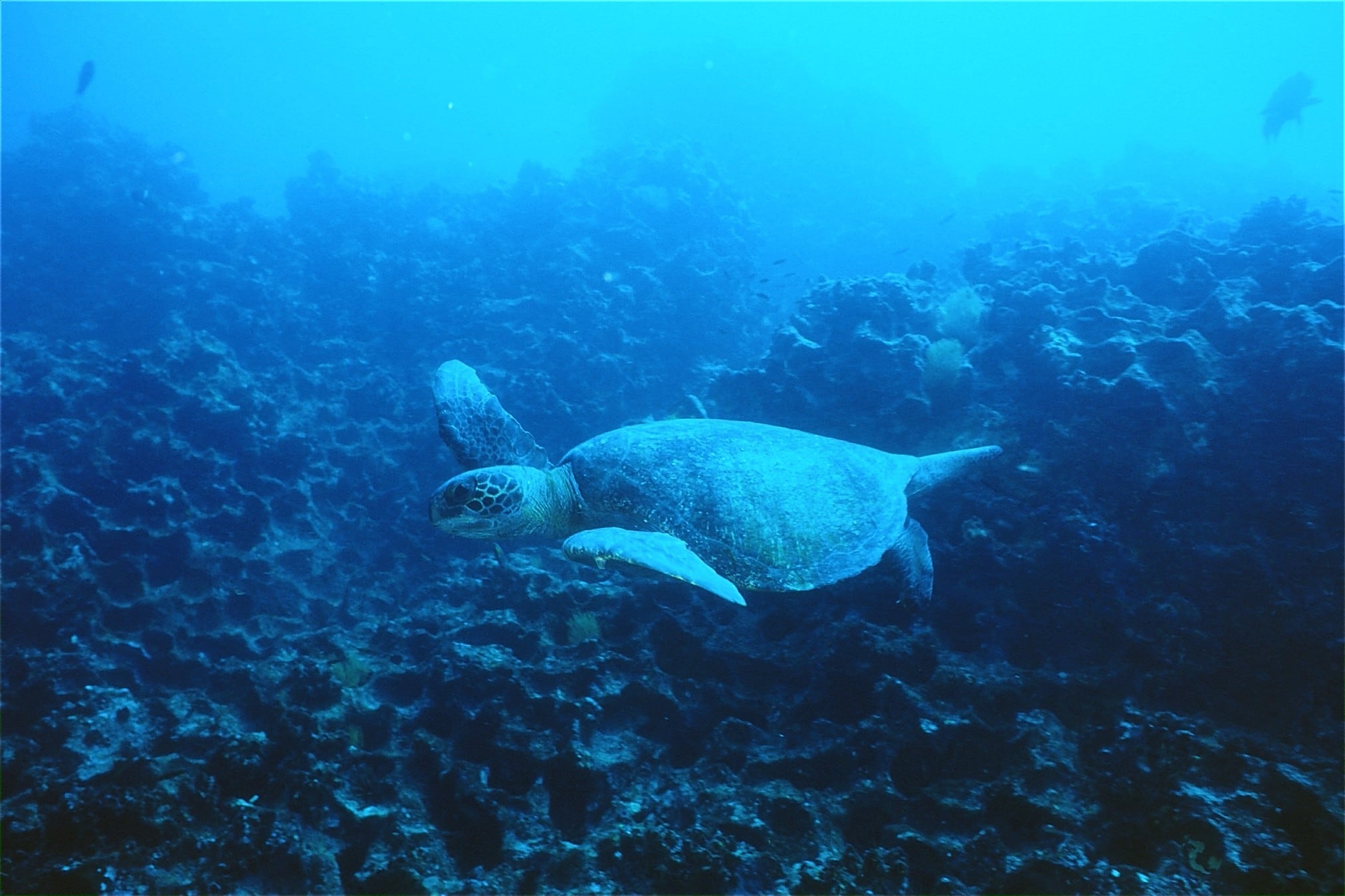
This process is essential to investigate species life cycle such as swordfish, sharks and sea turtles. Once species has been tagged, information on its movement and growth can be obtained. There are different types of brands, among which satellite and conventional ones stand out. Between Arica and Lebu, 4 species of sea turtles have been recorded, all threatened with extinction. Did you know? A Bluebird Shark was tagged and released about 60 km off the coast of Salinas de...

Video
3 May 2021

Knowing fish age, each generation abundance and biomass can be determined. Data such as the number of fish that are born each year, their growth rate and life span, are essential to establish fishing quotas and thus maintain fishing resources. Did you know? Otoliths are pairs of calcareous structures that fish have in the inner ear of their skull, which provide balance and hearing. Fishing biology uses otoliths as an indicator of the age of fish, since these structures...

Video
3 May 2021

They are important indicators of oceans and their marine resources health : knowledge of their populations, migrations and food, gives us signals of the state of ecosystems and their changes over time. Chile belongs to the Agreement on the Conservation of Albatrosses and Petrels (ACAP). These birds have been the most affected by bycatch in fishing activities, so international cooperation is necessary for their conservation. * Albatrosses are large migratory seabirds that circumnavigate the oceans. In fishing, you avoid...

27 April 2021

At the ninth Convention on South Pacific Ocean High Seas Fishing Resources Conservation and Management Commission (SPRFMO) meeting, IFOP / Chile Scientific Observer Program accreditation was formalized in this intergovernmental organization, whose action scope applies to Pacific Ocean international waters outside national jurisdiction areas, which together represent approximately a quarter of the high seas areas of the planet. Erick Gaete, in charge of IFOP Fishing Promotion Institute’s accreditation process, indicated that “this is an important milestone in terms of...

21 April 2021

Within FIPA 2020-08 ” Inactivation techniques validation for main FANs causing microalgae project “framework. Dr. Jorge Mardones and his team made up by Dr. Javier Paredes and Juan Carlos Unión from CREAN-IFOP. They carried out research work sampling and experimentation during ichthyotoxic raphidophyte microalgae Heterosigma akashiwo intense flowering, in Comau fjord between April 4th and 6th, 2021. In situ work contemplated water column physical-chemical characterization (salinity, temperature, oxygen dissolved and fluorescence) and bubble curtainsevaluation as mitigation measures for toxic...

8 April 2021

According to N° DN 00518/2021 exempt resolution, Fisheries and Aquaculture National Service, designated IFOP Microbiology Laboratory of Hydrobiological Health Department as “National Reference Laboratory”. Sergio Contreras Lynch, IFOP’s Hydrobiological Health Department Head referred to the nomination “In Sanitary Regulations for Aquaculture (RESA), it establishes that National Fisheries and Aquaculture Service (Sernapesca) will implement one or more National Reference Laboratories for hydrobiological species diseases diagnosis. Being able to differentiate them according to their specialty and experience. In our case, the...

1 April 2021

On March 31rst, Abate Molina IFOP’s scientific vessel, set sail from Valparaíso’s port, to research horse mackerel between Arica Parinacota and Valparaíso regions. The staff is made up of professionals and technicians from Fisheries Development Institute. Abate’s ship captain is Enrique Quiero and fishing engineer José Córdova is the cruise head The general objective of the cruise is: to quantify horse mackerel resource biomass, between Arica and Parinacota – Valparaíso Regions, using hydroacoustic method. Specific objectives To estimate horse...

29 March 2021

On March 19th, in SERNAPESCA Aysén meeting room, Andrés Couve Science, Technology Knowledge and Innovation Minister, participated in “Challenge of harmful algal blooms in the Aysén region” discussion. Regional authorities and Fisheries Development Institute researchers were present at the Activity. Dr. Alejandra Lafon, IFOP Aysén base chief, referred to the visit and discussion as “a great opportunity to present monitoring and research work progress on red tide carried out by IFOP in the region since 2006, as well as...

Indicadores

Technical Bulletins

Instituto de Fomento Pequero