13 October 2026
Sorry, this entry is only available in Es.


13 October 2026
Sorry, this entry is only available in Es.
Sorry, this entry is only available in Es.
6 October 2026
5 October 2026
Sorry, this entry is only available in Es.
29 September 2026
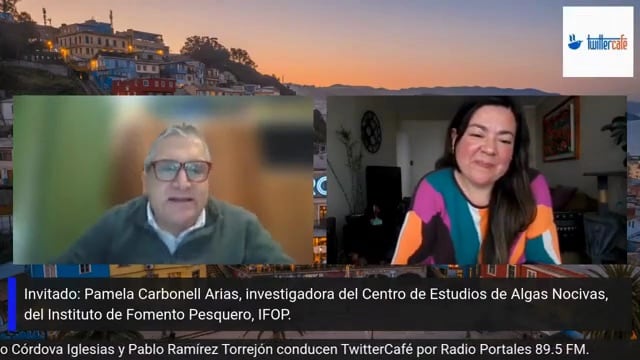
CREAN-IFOP researcher Pamela Carbonell discusses the impact of Harmful Algal Blooms (HABs) in southern Chile, warning of significant knowledge gaps among the public regarding red tide and highlighting the urgent need to strengthen environmental education and public health initiatives in coastal communities.
22 September 2026
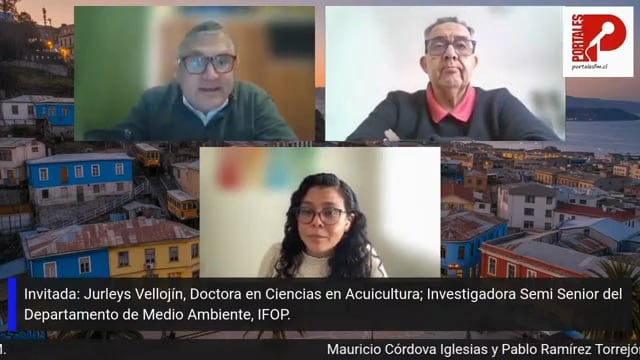
In this edition of *Twitter Café*, broadcast from Radio Portales in Valparaíso, the program featured a conversation with Jurleys Vellojin, a senior researcher in the Environment Department of the Aquaculture Research Division at the Institute of Fisheries Development (IFOP). During the discussion, the expert—who holds a doctorate in Aquaculture Science—addressed one of the most silent yet concerning global phenomena linked to climate change: ocean acidification. She explained that the...
16 September 2026
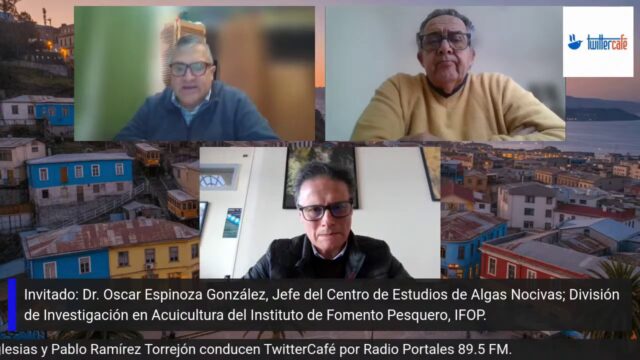
During the interview, the specialist examines in depth the impact of the “El Niño” phenomenon on the Chilean coast, analyzing how rising ocean temperatures alter marine currents and create conditions conducive to harmful microalgae blooms (red tide). Additionally, the discussion covers the implications for public health, seafood safety, and risks to productive activities and the salmon industry in the country’s south, drawing on historical precedents such as the 2016...
14 September 2026
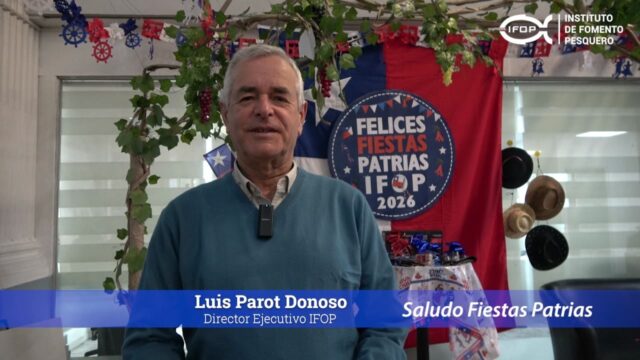
On the occasion of another national anniversary, Luis Parot Donoso sent a message on behalf of the Fisheries Development Institute (IFOP) to its employees, collaborators, and the families who make their living from the sea, from Arica to Puerto Williams.
8 September 2026
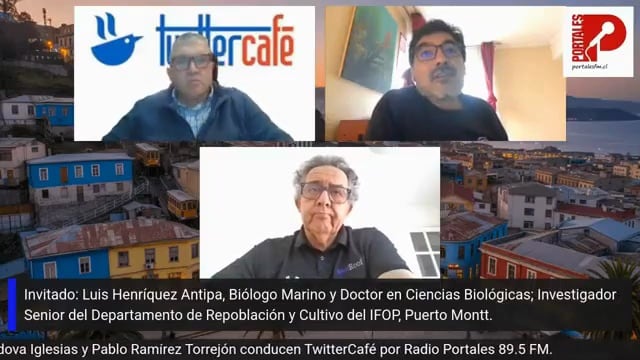
In an interview with Radio Portales, Dr. Luis Henríquez Antipa, a senior researcher at the Institute of Fisheries Development (IFOP) in Puerto Montt, outlined the potential of restorative aquaculture as a key tool for balancing environmental, commercial, and social sustainability. This practice leverages the cultivation of low-trophic-level species—such as macroalgae and mussels—to provide essential ecosystem services: while algae capture carbon and generate oxygen, mussels filter excess nutrients and create...
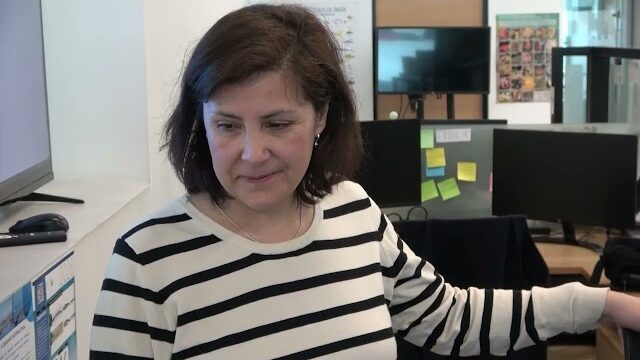
IFOP is conducting two scientific expeditions to assess the impact of the El Niño phenomenon on anchoveta stocks. They will also serve to identify the appearance of other species, such as the jumbo squid.
7 September 2026
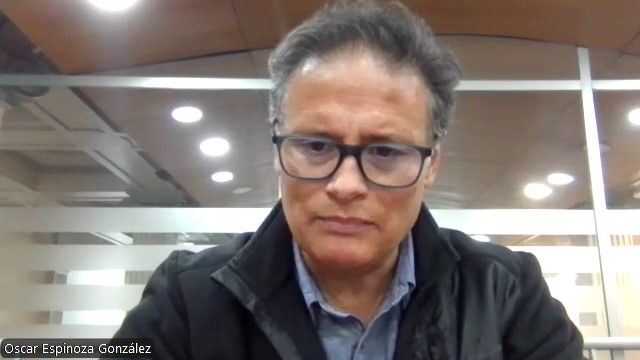
Ten years after the historic impact of harmful algal blooms in 2016, Dr. Óscar Espinoza, head of the Center for the Study of Harmful Algae (CREAN) at the Fisheries Development Institute (IFOP), analyzes the current challenges posed by the El Niño phenomenon in 2026 and the effects of climate change on the ocean. In this conversation, the specialist details how Chile has strengthened its scientific capacity through advanced monitoring...
31 August 2026
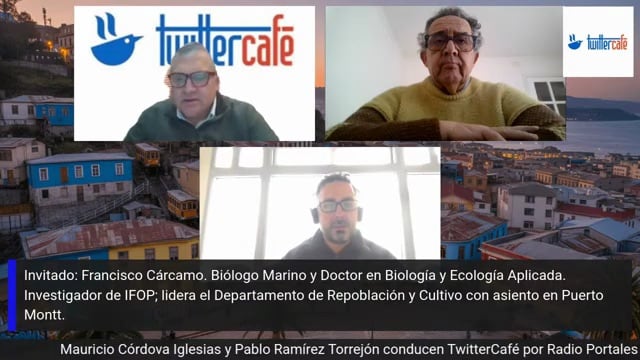
In this interview, marine biologist and researcher Francisco Cárcamo, from the Fisheries Development Institute (IFOP), discussed the development and potential of small-scale aquaculture (SSA) in Chile. Cárcamo explained how this activity represents a sustainable transition for artisanal fishers in the face of scarce marine resources, highlighting key species such as mussels, oysters, and trout, as well as innovative initiatives in seaweed cultivation, such as cochayuyo (seaweed). He also emphasized...
24 August 2026
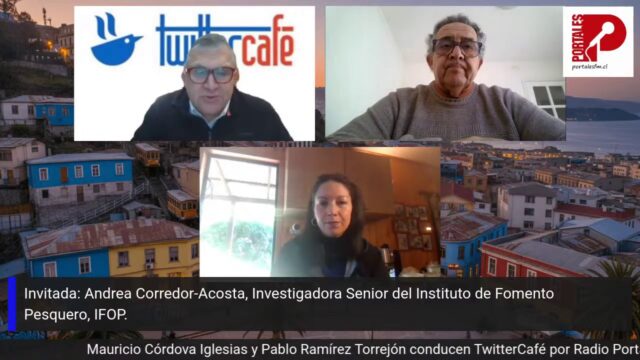
During this interview, senior researcher Andrea Corredor Acosta explained the use of cutting-edge hyperspectral satellite technology for ocean observation and phytoplankton studies, emphasizing the importance of complementing daily high-resolution optical images with direct in-situ measurements at sea. She also addressed the impact of continental and oceanic microplastic dispersion through ocean current monitoring, as well as the assessment of changes in temperature and salinity in the waters off southern Chile...
21 August 2026
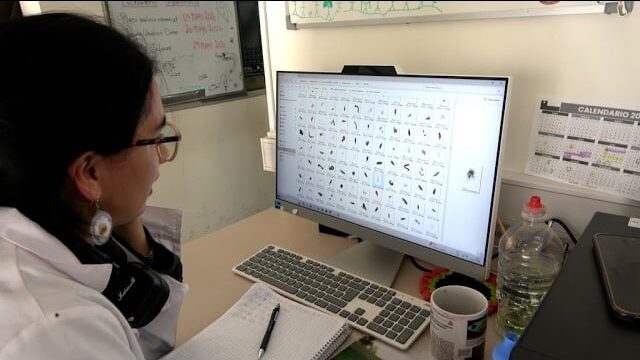
The Zooplankton Laboratory of the Fisheries Development Institute (IFOP) is leading an ambitious project to digitize and analyze biological data from over 62 years of marine samples. This research is crucial for understanding ocean evolution and ensuring the sustainability of fisheries resources in the country.
18 August 2026
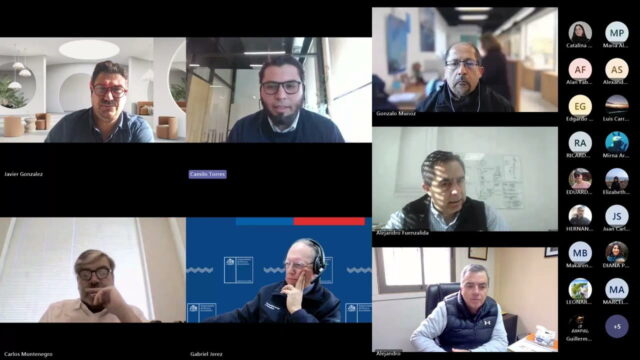
To mark the first anniversary of the establishment of IFOP’s Department of Economics and Statistics (DEE), and with the aim of bringing the DEE’s work closer to the entire community, a series of presentations by the researchers and the DEE’s leadership team were held during May and June 2026. It is worth noting that professionals from various IFOP regions and units participated in the different sessions. In addition, professionals...