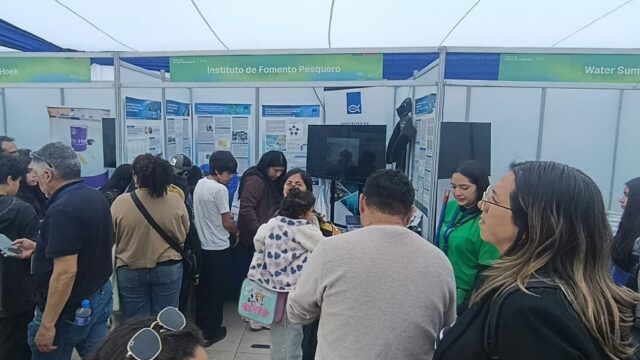
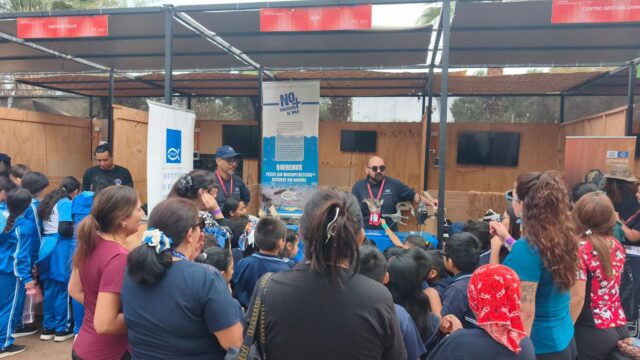
This initiative, organized by the Ministry of Science, aims to create meaningful experiences and bring science, technology, knowledge, and innovation closer to communities throughout the country. On October 8, a science festival was held in La Serena under the theme “Asking Questions Moves Us.” The event sought to spark curiosity and demonstrate that one does not need to be an expert to engage with science. Featuring 20 booths, the festival brought together institutions, researchers, students, and various organizations, all...
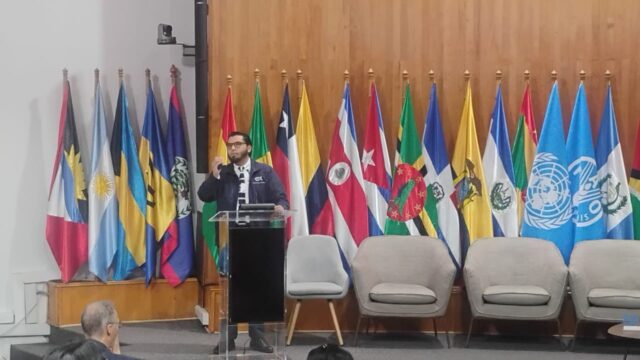
With the support of the French Embassy in Chile, ECLAC held a “Specialist Workshop on a Sustainable and Inclusive Blue Economy: Toward a Regional Transition for the Sustainability of Key Marine Ecosystems and Artisanal Fisheries” on September 23–24. The initiative brought together experts from the artisanal fishing sector, academia, international organizations, and government entities. The workshop fostered dialogue and knowledge exchange on how Latin America and the Caribbean can move toward a blue economy that integrates the functioning and...
To learn about progress in anchoveta research. On September 28, a research-focused fishing expedition began for the “Assessment of the Anchoveta Spawning Stock and Oceanographic Conditions”—a comprehensive study spanning from the Arica y Parinacota Region to the Antofagasta Region. This research employs the Daily Egg Production Method (DEPM), one of the primary methodologies used in Chile to estimate the spawning biomass of strategic fishery resources, with a particular focus on small pelagic species such as the anchoveta. The project...
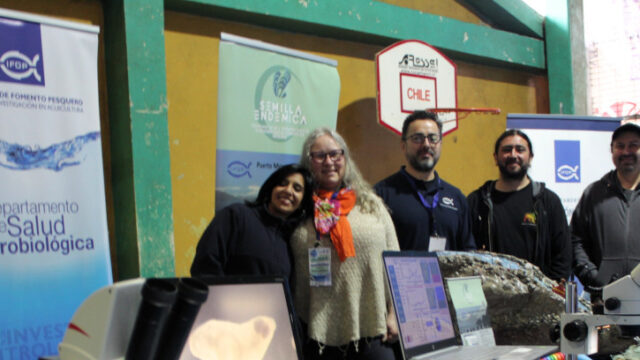
IFOP’s participation in CienTeArt 2026 reflects its commitment to building long-term regional relationships. The event brought together scientific expertise from the three departments within the Aquaculture Research Division, providing the community with insights into aquatic ecosystems, biodiversity, and productive activities, while fostering an interest in science among the younger generation. On October 7th and 8th, the Juan Soler Manfredini Border School in Cochamó became a hub for curiosity, creativity, and knowledge as it hosted the 4th CienTeArt 2026 Science...
On Friday, October 9, a science exhibition organized by biology students from across Chile was held at the University of Valparaíso’s Faculty of Architecture. IFOP participated with a team of professionals who showcased the work carried out at our institute to the attendees. Representing the Department of Oceanography, Andrés Varas presented and explained the operation of various oceanographic and meteorological instruments used by the Institute for its monitoring and research activities—including weather stations, plankton nets, Niskin bottles, and CTD...
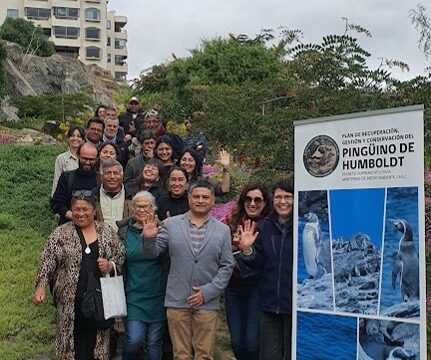
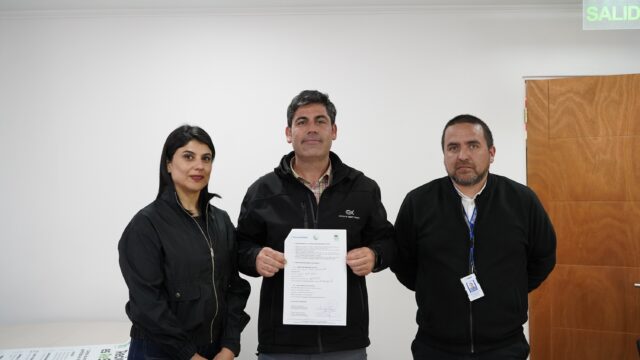
The initiative brought together public agencies, academia, NGOs, fishing associations, and Changa Indigenous communities, solidifying a regional alliance to protect this endangered species. COQUIMBO, October 8, 2026. With the participation of institutional, scientific, and community stakeholders from the region, the Regional Committee for the Recovery, Conservation, and Management (RECOGE) Plan for the Humboldt Penguin in the Coquimbo Region was officially established. The meeting, jointly convened by the National Forest Corporation (CONAF) and the Biodiversity and Protected Areas Service (SBAP),...
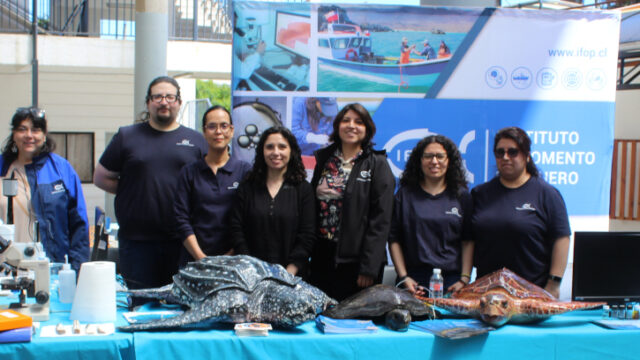
The Regional Office of the Fisheries Development Institute (IFOP) participated on Thursday, October 8, in the 2026 Science and Technology Festival held at Centenario Park in Arica. The event was organized by the Regional Ministerial Secretariat of Science, Technology, Innovation, and Knowledge for Arica and Parinacota. The event brought together various regional ministerial secretariats, public agencies, regional directorates, research centers, and private companies, all of which set up information booths to bring science, knowledge, and environmental management closer to...
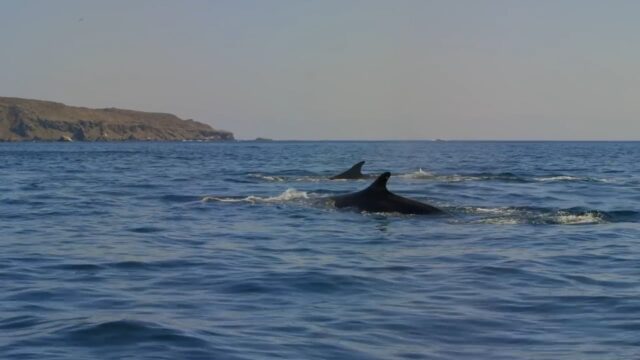
A report aired on Meganoticias regarding sightings of marine wildlife—including humpback whales, orcas, and bottlenose dolphins—that have delighted residents and tourists near locations such as Punta de Choros, Los Molles, and the Biobío Region. This phenomenon, driven by the abundance of nutrients generated by the Humboldt Current along the migratory routes of these species, not only offers unforgettable encounters near the shore but also highlights the area’s extraordinary biodiversity and the importance of conserving our marine ecosystems.
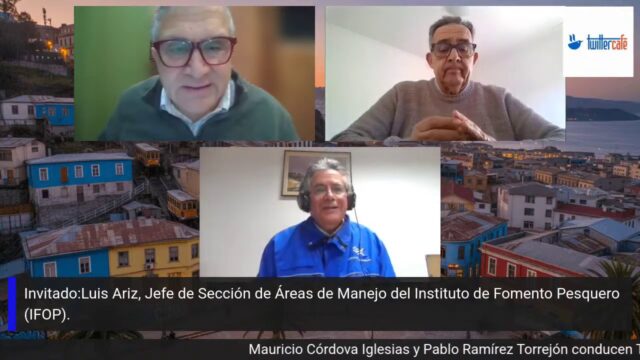
In this interview, Luis Ariz, head of the Management Areas section at the Fisheries Development Institute (IFOP), explains the historical and current significance of the Management and Exploitation Areas for Benthic Resources (AMERB) in Chile. During the conversation, he highlighted that this globally pioneering system—which encompasses more than 650 areas throughout the country—has made it possible to regulate the artisanal harvesting of iconic species such as the Chilean abalone (*loco*) and sea urchins. It fosters co-management between fishing organizations...
With the aim of promoting the exchange of experiences and strengthening collaborative efforts to prevent and reduce food loss and waste, the meeting “From Public Policy to Collective Action: International Cooperation to Prevent and Reduce Food Loss and Waste” was held on Thursday, October 1, at the FAO Regional Office for Latin America and the Caribbean in Santiago. The event was organized by the Office of Agricultural Studies and Policies (ODEPA), the Food and Agriculture Organization of the United...
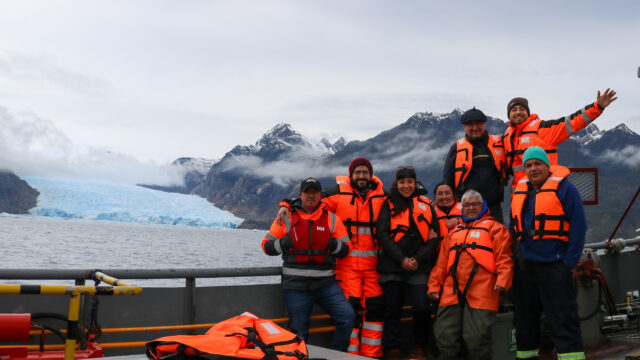
The work, carried out in September by the Oceanography Group of IFOP’s Environment Department, enabled the collection of oceanographic data and onboard dissolved oxygen analysis across a vast area stretching from Reloncaví Sound to San Rafael Lagoon. Castro, Chiloé. Between September 3 and 22, 2026, professionals from the Oceanography Group at the Putemún Research Center—part of the Environment Department of the Fisheries Development Institute (IFOP)—conducted the “Patagonia Norte 2026” oceanographic cruise. This scientific campaign aimed to gather data on...
On Wednesday, September 30, a waste sorting station was installed at the IFOP Regional Office in Biobío—an initiative long desired by the Talcahuano staff. IFOP researcher Vivian Pezo Erices noted that the Municipality of Talcahuano is promoting a selective solid waste collection campaign—an initiative the Institute has joined with a commitment to actively collaborate in building a cleaner, more sustainable environment. “This action helps reduce the amount of waste we generate, supports natural resource conservation, promotes the circular economy,...
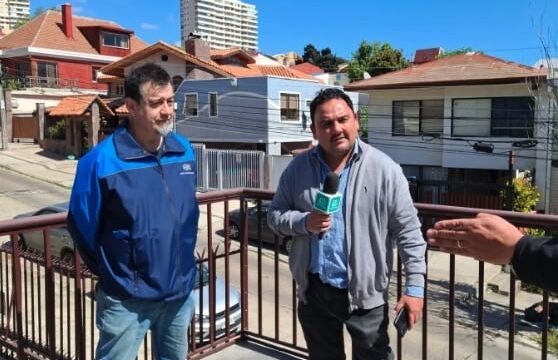
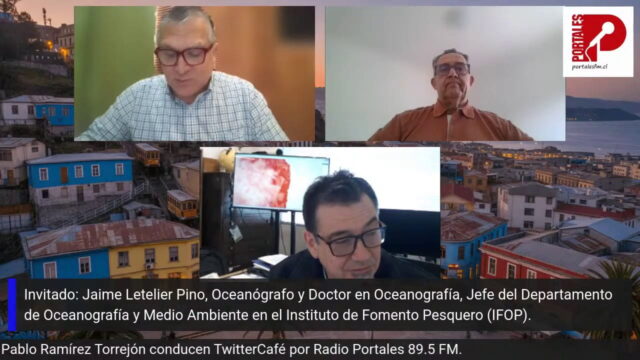
Jaime Letelier Pino—who holds a PhD in Oceanography and serves as head of the Department of Oceanography and the Environment at the Fisheries Development Institute (IFOP)—discussed the evolution of the El Niño phenomenon. He noted that his organization had managed to detect thermal anomalies along the Pacific coast as early as February—months before international entities did. Letelier explained how rising sea temperatures have caused profound disruptions to fishery resources, forcing species such as the Chilean jack mackerel and the...
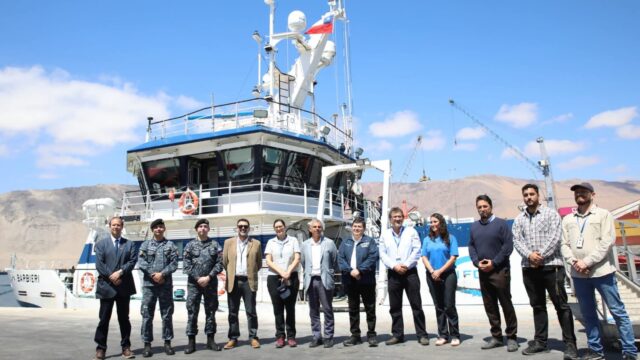
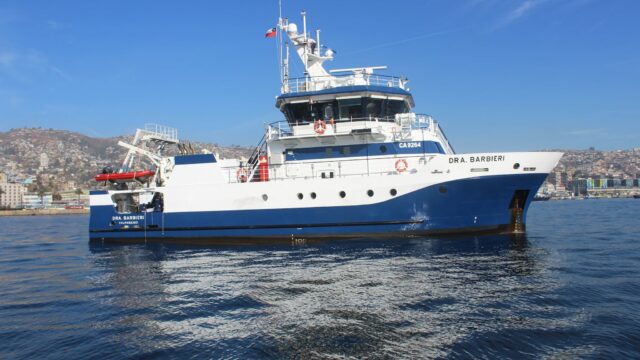
To observe firsthand the monitoring of local marine species’ behavior in response to rising water temperatures, regional authorities paid an official visit to the research vessel “Dra. Barbieri,” operated by the Fisheries Development Institute (IFOP). The visit focused on analyzing the status of the anchoveta (Peruvian anchovy)—a key resource for local artisanal fishing—which has seen reduced yields in recent years due to anomalous weather phenomena. During the tour of the vessel, Regional Governor Diego Paco highlighted his administration’s concern...