9 September 2026

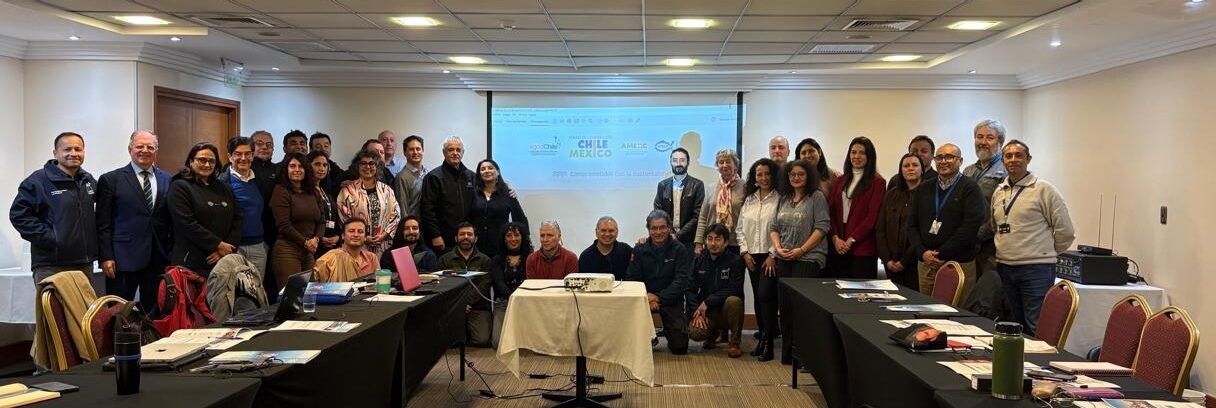
 Representatives from public institutions, academia, and civil society participated in a new forum for dialogue and collaborative work under the auspices of the Chile-Mexico Fund.
Valparaíso, September 2026. Strengthening the participatory management of benthic fisheries and moving toward more effective co-management were the primary objectives of the third workshop titled “Small-Scale Fisheries Co-management: An Institutional Perspective,” held on August 25 and 26 in Valparaíso.
The event took place within the framework of an international cooperation project funded by the Chile-Mexico Fund—managed by the cooperation agencies of both countries, AGCID and AMEXCID—and brought together 30 representatives from the Undersecretariat of Fisheries and Aquaculture (SUBPESCA), the National Fisheries and Aquaculture Service (SERNAPESCA), the Fisheries Development Institute (IFOP), the Austral University of Chile (UACh), and the NGO Conectar para Conservar.
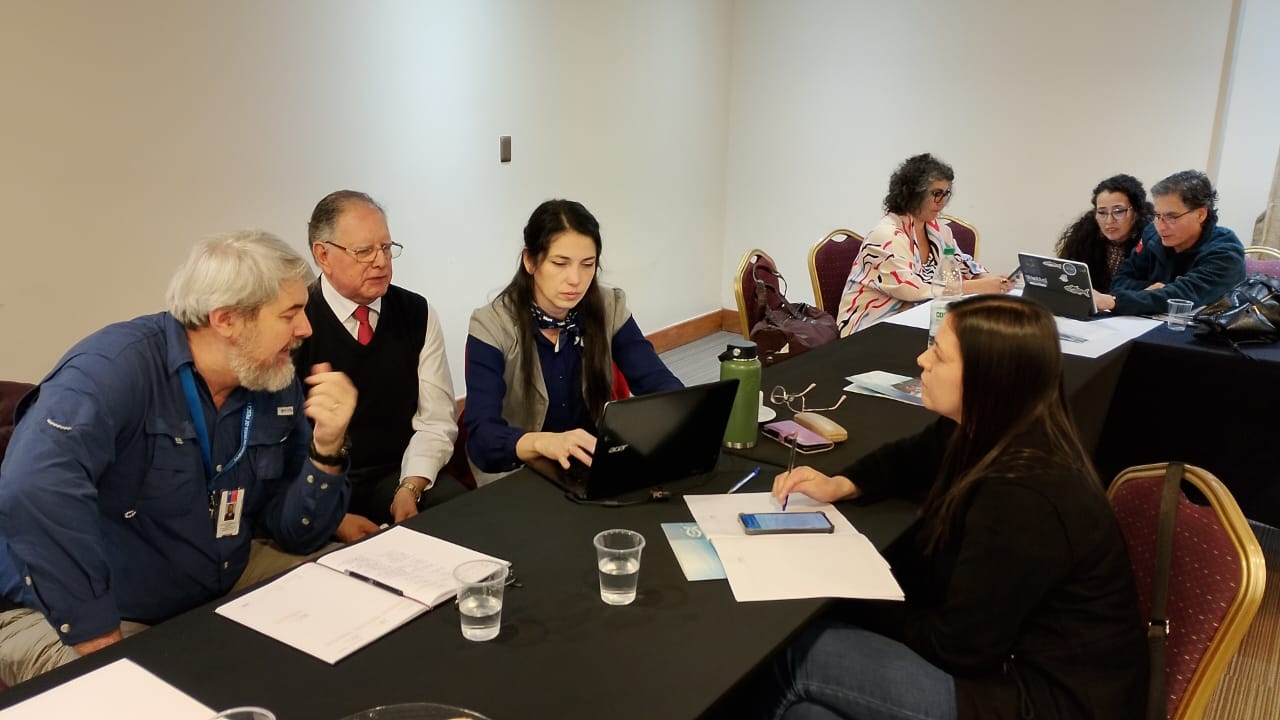
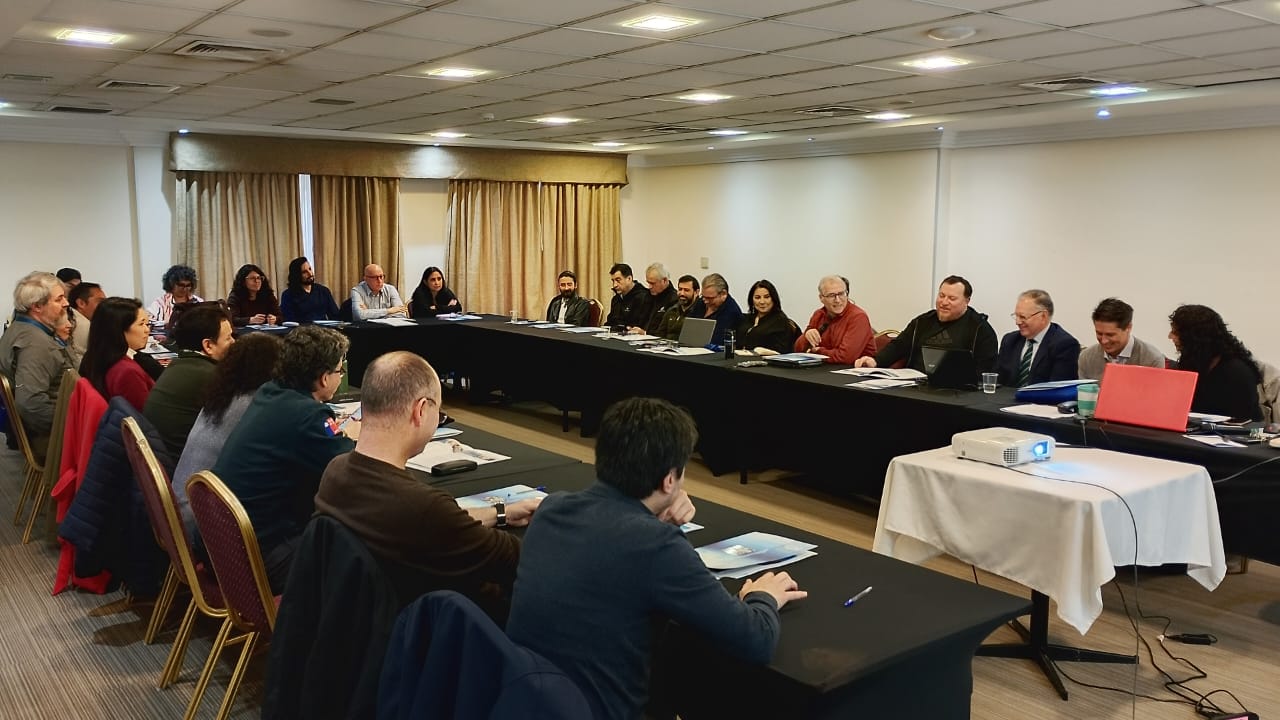 Over the course of two days, participants analyzed the main challenges currently facing the institutional system associated with benthic fisheries co-management in Chile. The meeting served as a space for dialogue and collective building, aimed at understanding the evolving roles of various institutions, existing collaborative relationships, and the gaps that still hinder more coordinated and participatory management. Through group activities, the workshop successfully incorporated diverse institutional experiences and perspectives, acknowledging progress made while identifying areas where coordination needs strengthening and new working strategies must be developed.
The workshop also provided an opportunity to review the functioning of key co-management mechanisms currently in place for open-access areas. In this context, participants analyzed factors that facilitate stakeholder participation as well as those that act as obstacles to achieving more effective governance of benthic resources. The second day of work concluded with the creation of a national matrix of gaps, incorporating—for each issue—its causes, consequences for management plans, the institutions involved, and potential solutions. The diversity of participating stakeholders allowed for a common challenge to be addressed from various perspectives: how to consolidate co-management as an effective tool for the administration, conservation, and sustainable use of benthic resources.
In this regard, the project—developed under the Chile-Mexico Fund—represents an opportunity to build capacity, facilitate the exchange of experiences, and foster greater coordination among public institutions, academia, researchers, and civil society organizations involved in the management of these resources.
Nancy Barahona Toledo, the project leader and a senior researcher at IFOP, emphasized that “the conservation and sustainable use of benthic resources depend not only on improved management tools but also on the ability of the institutions and stakeholders involved to work in a coordinated, participatory, and collaborative manner.”
She further noted that “experiences like this demonstrate that moving toward sustainable management requires strengthening the ties between researchers, those who design and implement public policies, and those who directly participate in resource management and conservation processes.”
The work carried out during the workshop provides new inputs to further strengthen the institutional framework underpinning the co-management of benthic fisheries in Chile. The challenge ahead lies in transforming the identified gaps into opportunities for improvement by strengthening coordination and participatory mechanisms, thereby advancing toward more effective, participatory, and sustainable management.