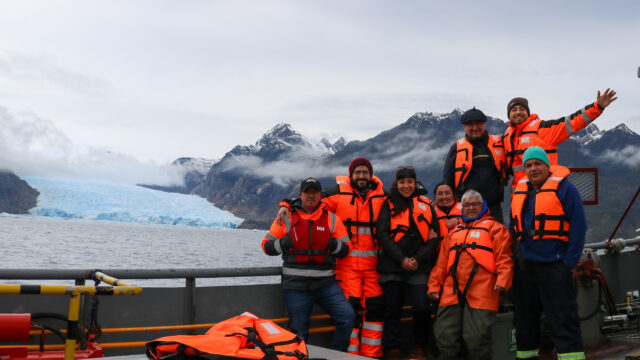
The work, carried out in September by the Oceanography Group of IFOP’s Environment Department, enabled the collection of oceanographic data and onboard dissolved oxygen analysis across a vast area stretching from Reloncaví Sound to San Rafael Lagoon. Castro, Chiloé. Between September 3 and 22, 2026, professionals from the Oceanography Group at the Putemún Research Center—part of the Environment Department of the Fisheries Development Institute (IFOP)—conducted the “Patagonia Norte 2026” oceanographic cruise. This scientific campaign aimed to gather data on...
On Wednesday, September 30, a waste sorting station was installed at the IFOP Regional Office in Biobío—an initiative long desired by the Talcahuano staff. IFOP researcher Vivian Pezo Erices noted that the Municipality of Talcahuano is promoting a selective solid waste collection campaign—an initiative the Institute has joined with a commitment to actively collaborate in building a cleaner, more sustainable environment. “This action helps reduce the amount of waste we generate, supports natural resource conservation, promotes the circular economy,...
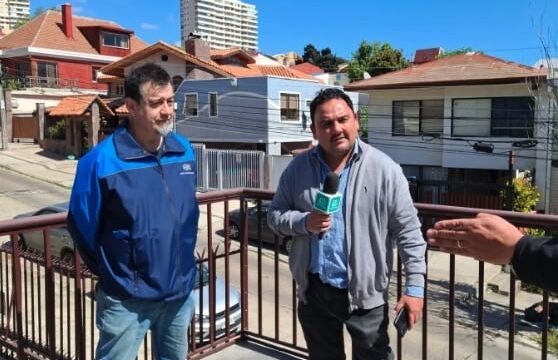
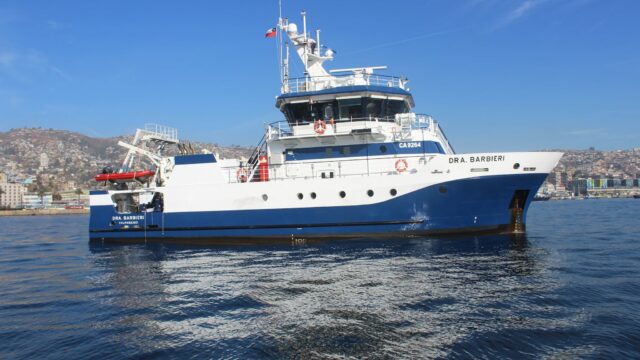
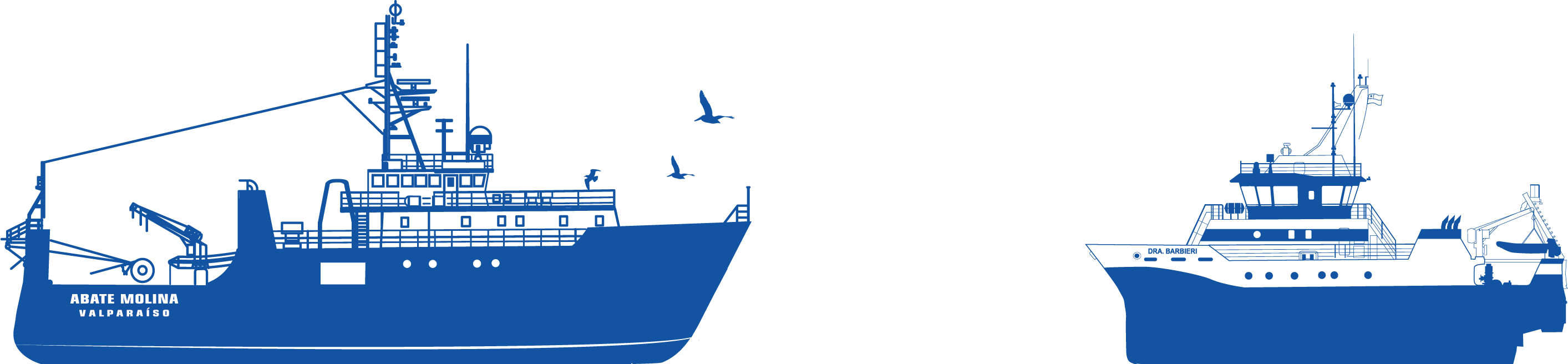
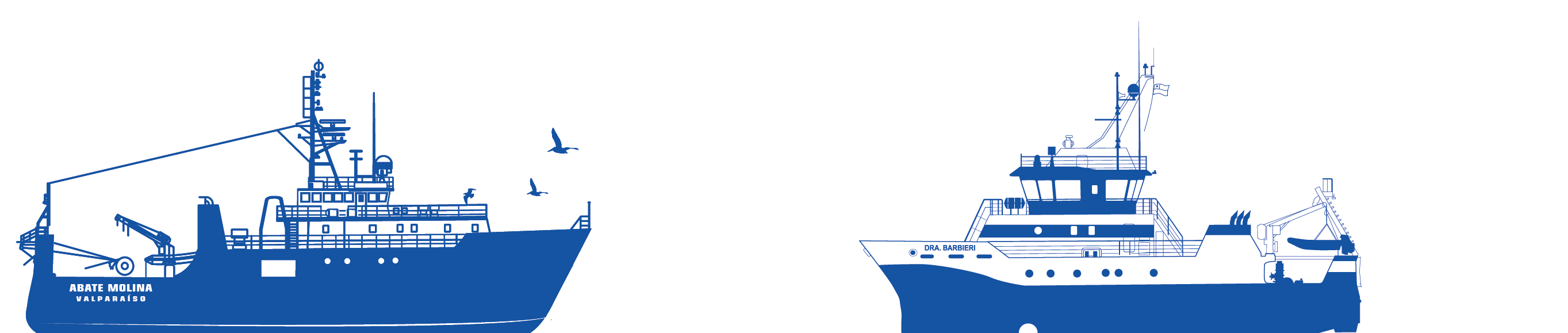
To observe firsthand the monitoring of local marine species’ behavior in response to rising water temperatures, regional authorities paid an official visit to the research vessel “Dra. Barbieri,” operated by the Fisheries Development Institute (IFOP). The visit focused on analyzing the status of the anchoveta (Peruvian anchovy)—a key resource for local artisanal fishing—which has seen reduced yields in recent years due to anomalous weather phenomena. During the tour of the vessel, Regional Governor Diego Paco highlighted his administration’s concern...
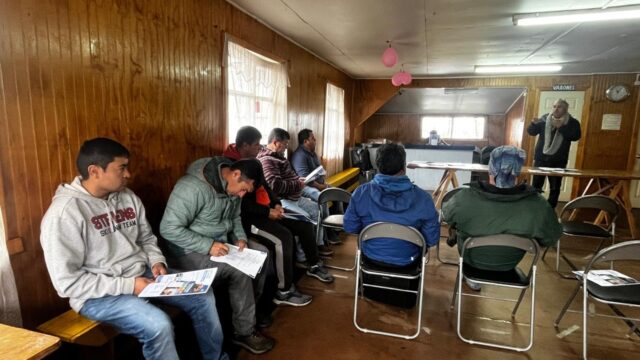
Between September 21 and 26, researchers Paulo Mora and Andrés Olguín—professionals from the Benthic Crustacean Monitoring Program—carried out an intensive schedule of activities across various locations in Chiloé, including Ancud, Dalcahue, Tenaún, Queilen, and Quellón. Their goal was to strengthen collaborative efforts with artisanal fishers, scientific observers, and organizations linked to the artisanal fishing sector. The visit included technical meetings and gatherings with artisanal fishing leaders, scientific observers, public institution representatives, and industry stakeholders. These sessions fostered dialogue aimed...
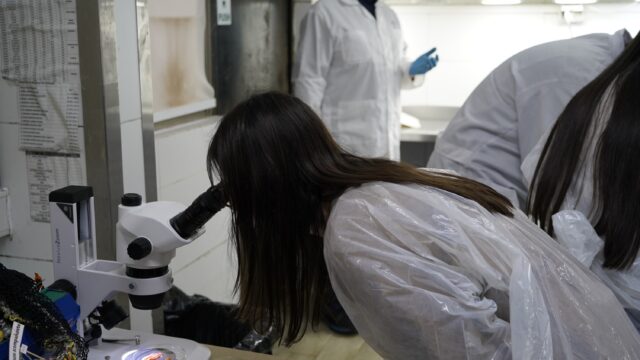
On September 23, a group of students from the environmental education workshop at Santa Bernardita School visited the IFOP facility in Talcahuano. During the visit, the students had the opportunity to experience laboratory work, examine various fish species and learn to distinguish between them, identify their maturity stages, and perform gonad extraction to determine the sex of the specimens. Furthermore, they gained firsthand insight into the work IFOP professionals carry out while at sea, understanding how this scientific data...
The National Fishing and Aquaculture Industry Economic Monitoring Project aims to characterize the country’s fishing and aquaculture industry in economic and productive terms, in order to provide administrators with up-to-date information that supports the evaluation of management measures and informs decision-making. Dissemination Bulletin Economic Monitoring of the National Fishing and Aquaculture Industry, 2025–2026 Read Bulletiin Final report Presentations 2025 Economic indicators for the national fishing and aquaculture industry Estimation and analysis of seafood food loss Estimation of domestic seafood...
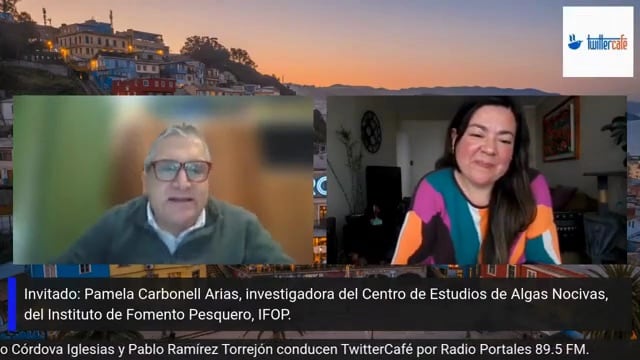
CREAN-IFOP researcher Pamela Carbonell discusses the impact of Harmful Algal Blooms (HABs) in southern Chile, warning of significant knowledge gaps among the public regarding red tide and highlighting the urgent need to strengthen environmental education and public health initiatives in coastal communities.
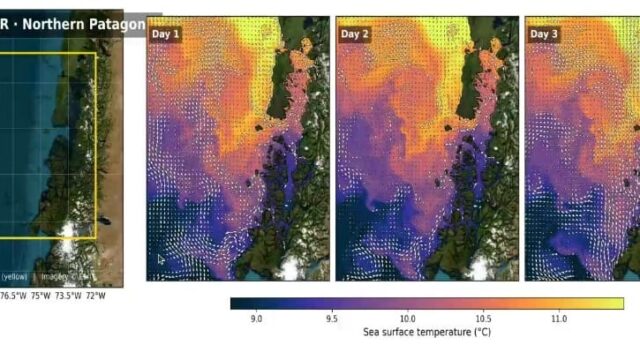
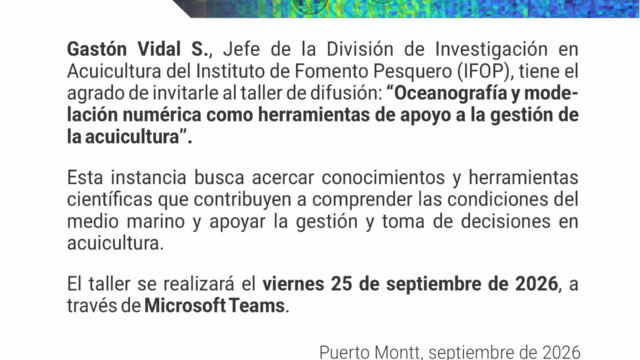
An online workshop presented results from projects linked to oceanographic dynamics, water exchange, environmental monitoring, and forecasting applied to aquaculture. On Friday, September 25, the Fisheries Development Institute (IFOP) held the 2025–2026 Results Dissemination Workshop titled “Oceanography and numerical modeling as tools to support aquaculture management.” The event was organized by the Environment Department of IFOP’s Aquaculture Research Division and aimed to share key results from projects developed by the Oceanography and Climate Group based in Putemún, Castro. The...
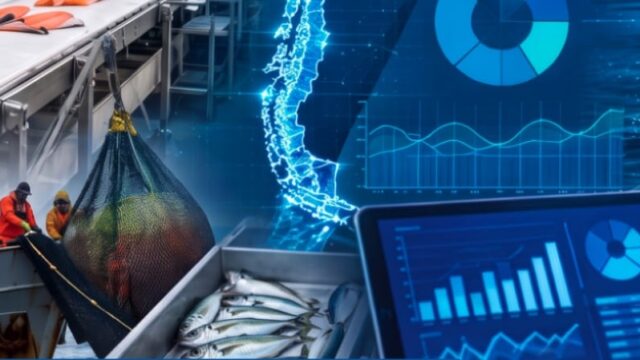
This concept reinforces the commitment to achieving sustainability in the fishing sector—encompassing both capture fisheries and aquaculture—by promoting the responsible use of resources and the conservation of ecosystems. The blue economy, which seeks to derive value from the seas while protecting ecosystem health, offers significant opportunities to boost our country’s fisheries exports. Chile possesses the natural conditions, scientific capabilities, and extensive production and management expertise to sustainably capitalize on new avenues for sectoral development linked to marine conservation, blue...
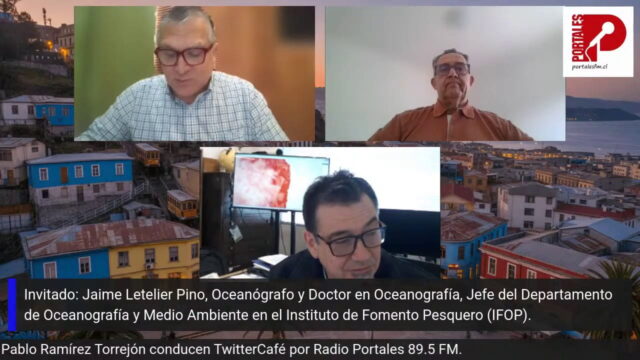
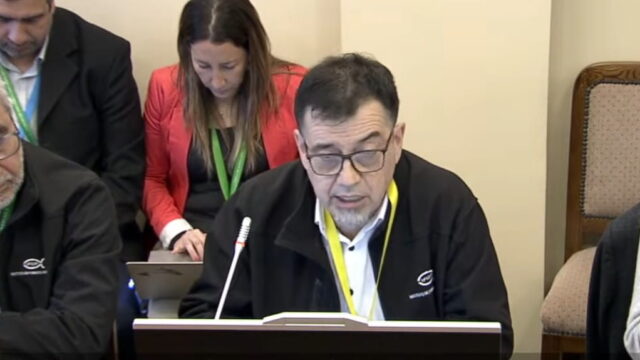
Serving as the Chilean State’s principal scientific advisor on fisheries and aquaculture On Wednesday, September 23, a delegation from the Fisheries Development Institute (IFOP)—led by the Head of the Fisheries Research Division, Fisheries Engineer Jorge Castillo; the Head of the Economics Department, Dr. Camilo Torres; and the Head of the Oceanography and Environment Department, Dr. Jaime Letelier Pino—presented findings to the Chamber of Deputies’ Commission on Fisheries, Aquaculture, and Maritime Interests. They detailed the Institute’s ongoing monitoring of environmental...
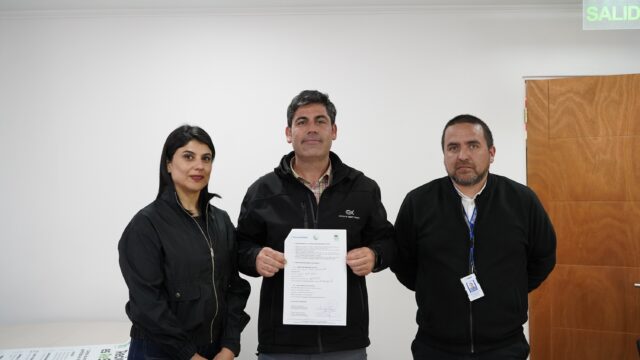
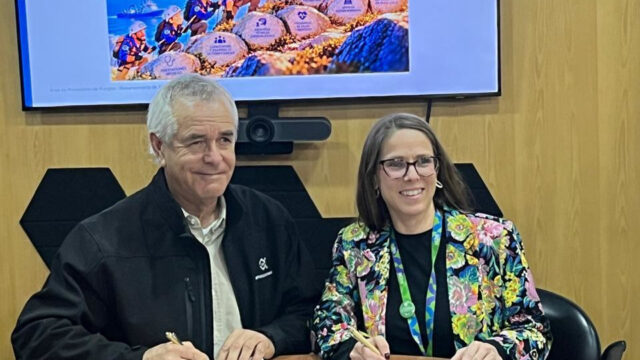
The signing of the collaboration agreement reaffirms both institutions’ commitment to risk prevention, the well-being of individuals, and the strengthening of a culture of occupational health and safety. On September 22, the Fisheries Development Institute (IFOP) and the Chilean Safety Association (ACHS) formalized a collaboration agreement, marking a significant milestone in the joint work both institutions are undertaking regarding Occupational Health and Safety (OHS). This agreement represents a significant step toward consolidating a strategic alliance aimed at strengthening preventive...
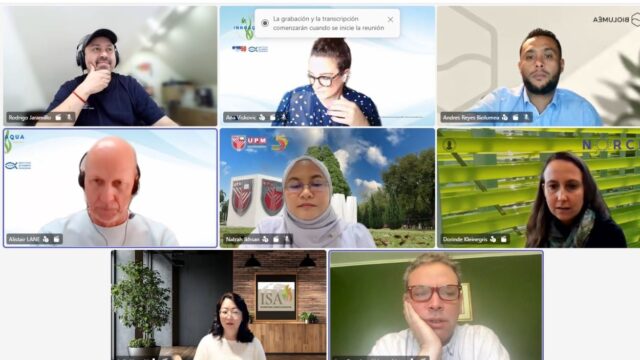
Puerto Montt, September 2026 – The Fisheries Development Institute (IFOP), through its Environment Department (Aquaculture Research Division), helped organize the second international webinar titled “Algae-based innovation for next combined aquaculture production II” in collaboration with the European Aquaculture Society (EAS). This activity is part of the INNOAQUA project—funded by the European Union via the Horizon Europe program (https://innoaquaproject.eu/about/)—which seeks to contribute to the development of a sustainable and diversified aquaculture industry through the large-scale demonstration and implementation of innovative...
This event, organized by the Environment Department of the Aquaculture Research Division at the Fisheries Development Institute (IFOP), aims to share the results of projects conducted by the Putemún (Castro) Oceanography and Climate Group. Specifically, results from the following studies will be presented: Water exchange scales in Chilean Patagonian fjords and channels, 2025–2026 Atmospheric and oceanographic forecasting system, 2025–2026 Monitoring and modeling of the spatial and temporal variability of oceanographic processes in southern channels and fjords, 2025–2026 The event...