
10 August 2026
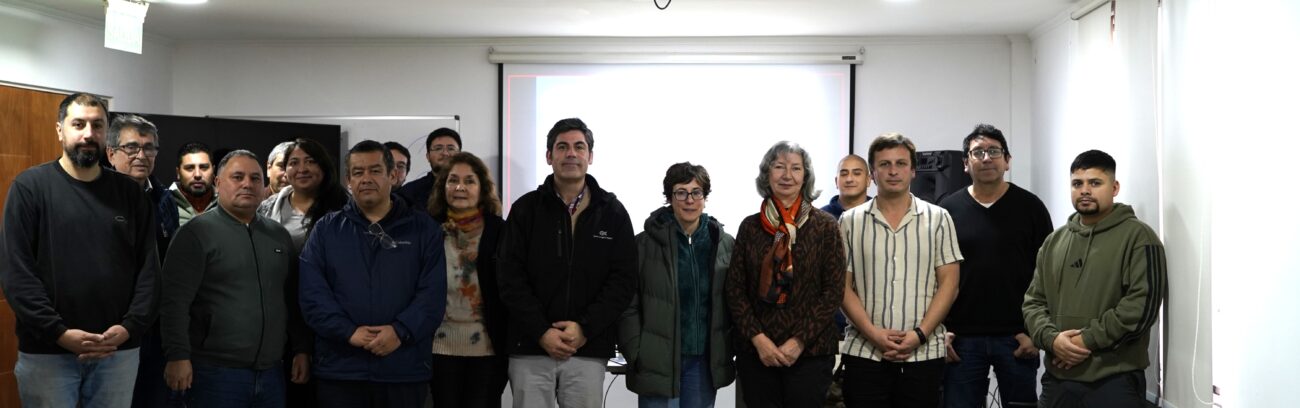
 On Friday, July 31, a comprehensive internal training session on fishing and aquaculture topics was held at the Biobío Regional Directorate. This session took advantage of the participation of colleagues from various regions in the XLV Congress of Marine Sciences, which this year was organized by the Chilean Society of Marine Sciences, the University of Concepción, and the Faculty of Natural and Oceanographic Sciences of that university.
Attendees from the region included scientific observers, researchers, field coordinators, technologists, and IT specialists. There were also connections from Caletas Tubul, Punta Lavapié, and Tumbes.
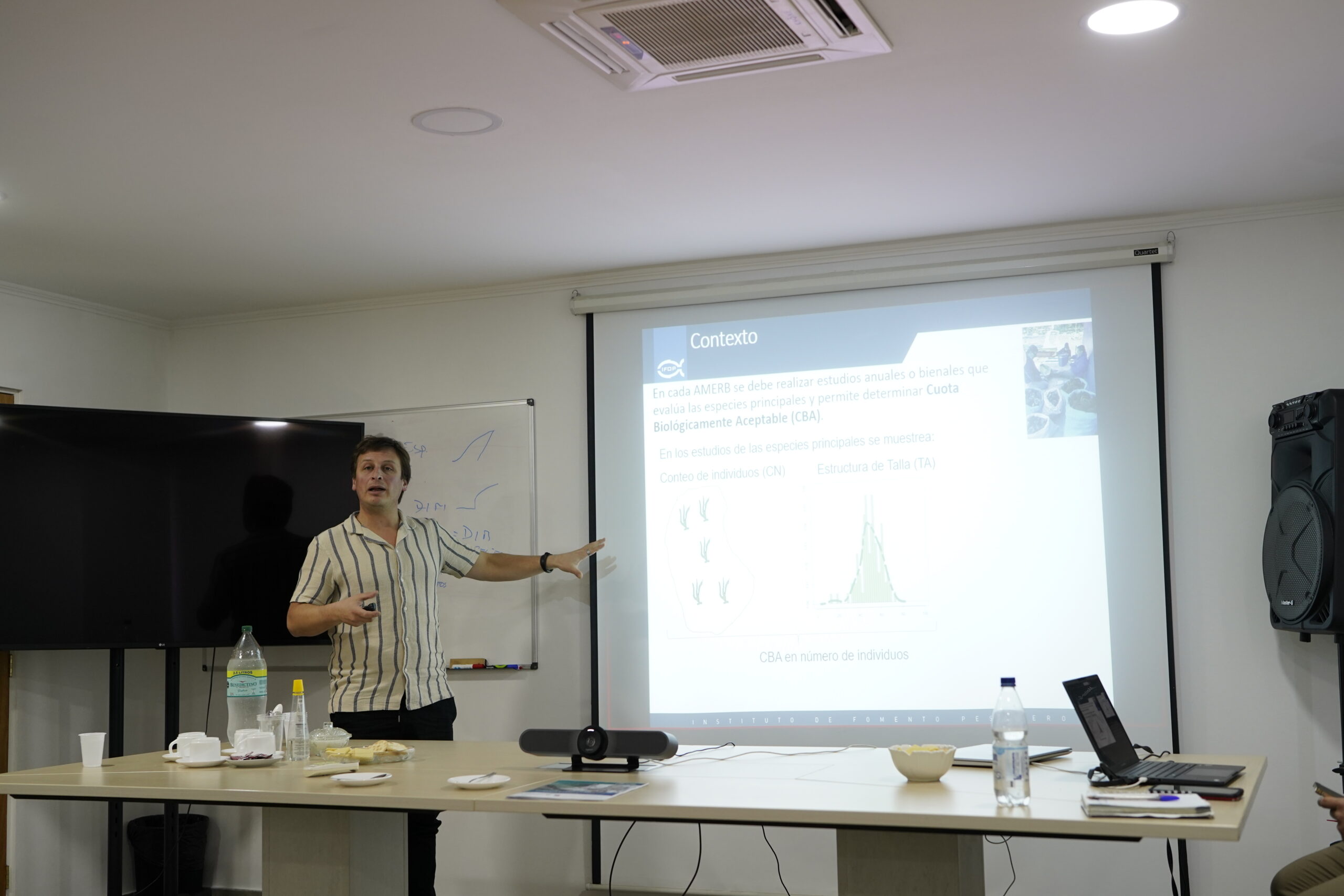 The following presentations from the congress were addressed at the Biobío Regional Directorate:
- Co-management as a governance tool in Chilean benthic fisheries (Nancy Barahona Toledo)
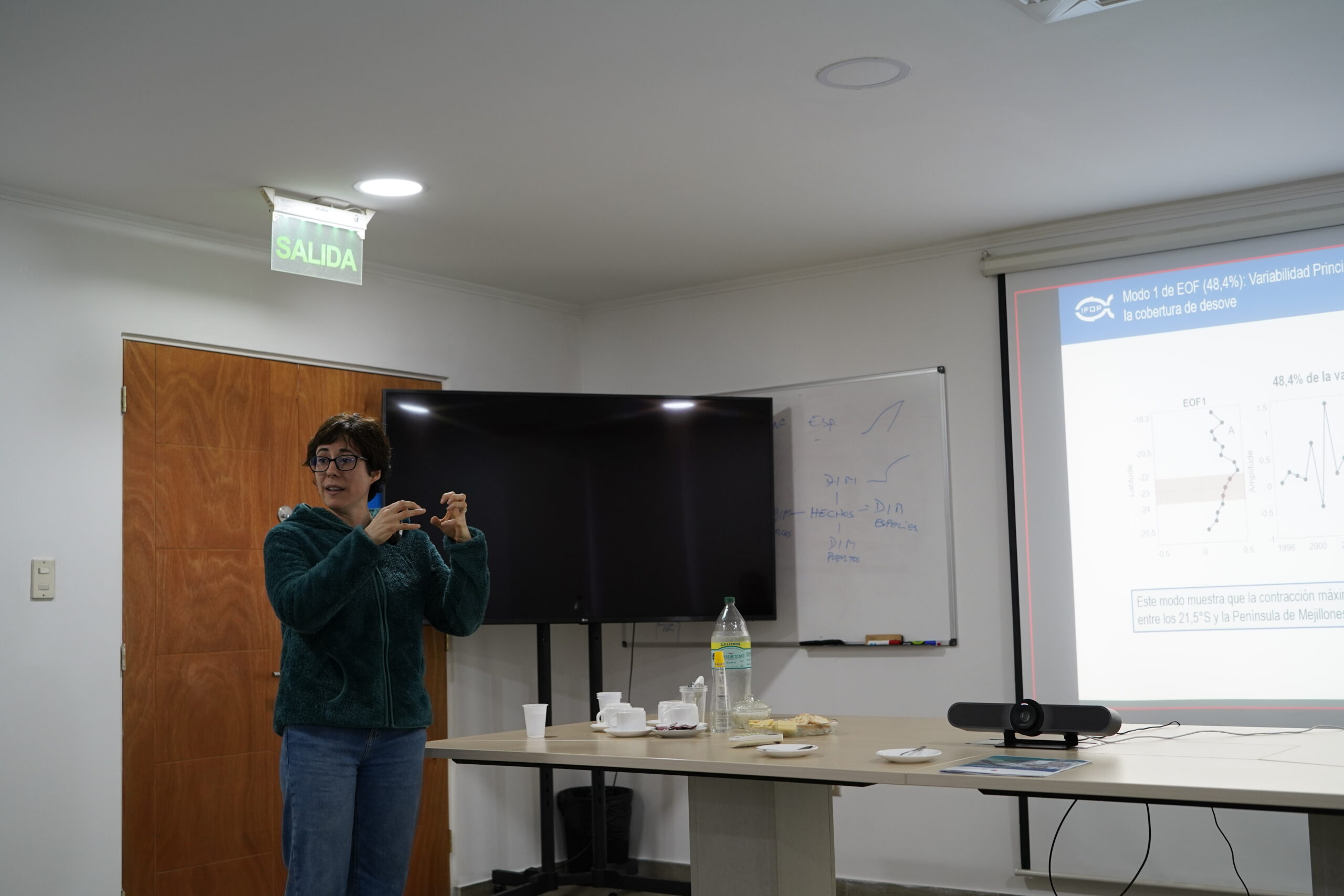
- Spawning habitat contraction of Engraulis ringens in northern Chile. Influence of the Mejillones Peninsula (Jessica Bonicelli Proaño)
- Vulnerability of mussel farming to seed shortages and environmental variability: A digital platform to optimize seed collection (Óscar Ramírez Oyarzun)
- Application of the Ecosystem Approach to Fisheries (EAF) in the management of management areas (Bryan Bularz Aguirre)
- Amphidromatic migration of Cryphiops caementarius (Molina, 1782) in the Camarones River Basin: Obligatory or facultative? (Hernán Padilla Esparza)
- Climate Patterns (El Niño and SAM) and their Influence on Harsh Tropical Events on the Central-Southern Pacific Coast of Chile (Óscar Espinoza González)
“These sessions are part of the internal training activities we are developing as a Regional Directorate, specifically within the work of the Biobío Psychosocial Committee in response to identified knowledge gaps,” stated Regional Director Sergio Flores Claramunt.
Hernán Padilla Esparza, Regional Director of Arica and Parinacota, emphasized that these sessions are invaluable, as they provide firsthand insight into the work carried out by the institution’s various technical units throughout the country. “Sharing experiences, results, and diverse research initiatives strengthens collaboration among our teams, enriches our technical knowledge, and consolidates a shared institutional vision—fundamental aspects for continuing to contribute, through science, to the sustainable development of fisheries and aquaculture.
For his part, Héctor Tardón Sepúlveda, a researcher at CREAN’s Aquaculture Division, emphasized that “the event was very enriching in terms of general knowledge, with varied presentations on important hydrobiological resources throughout the country, allowing us to learn about research from other projects located far from Biobío. Finally, he highlighted the presentation on harmful algal blooms (HABs), which helps in a better understanding of these algal blooms, topics of interest for further study and monitoring in the Biobío Region.”
The event concluded with a tour of the Regional Directorate’s facilities.
It is worth noting that the next Marine Science Congress will be held in the city of Iquique.