

10 August 2026
 The incorporation of electronic monitoring (EM) systems based on video cameras aboard fishing vessels has proven to be an effective tool for strengthening the oversight of fishing activities. However, its potential extends beyond the regulatory sphere, offering important applications for scientific research. Through image analysis, it is possible to identify caught species, record discards, and document the progress of fishing operations, providing objective and traceable evidence of activities carried out at sea.
In this context, electronic monitoring represents a strategic tool for strengthening the research programs of the Fisheries Development Institute (IFOP), optimizing monitoring coverage, and supporting evidence-based decision-making, thus promoting more efficient, transparent, and sustainable fisheries management.
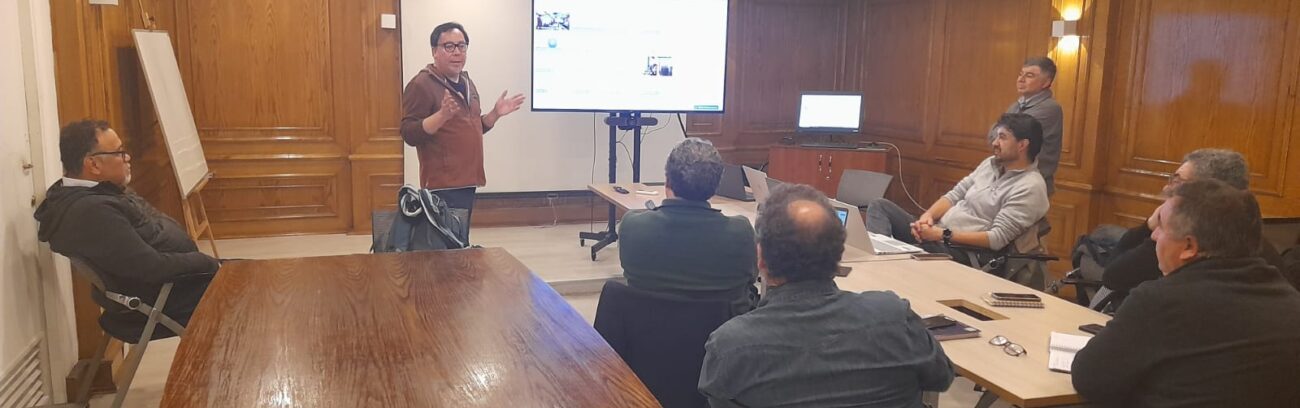
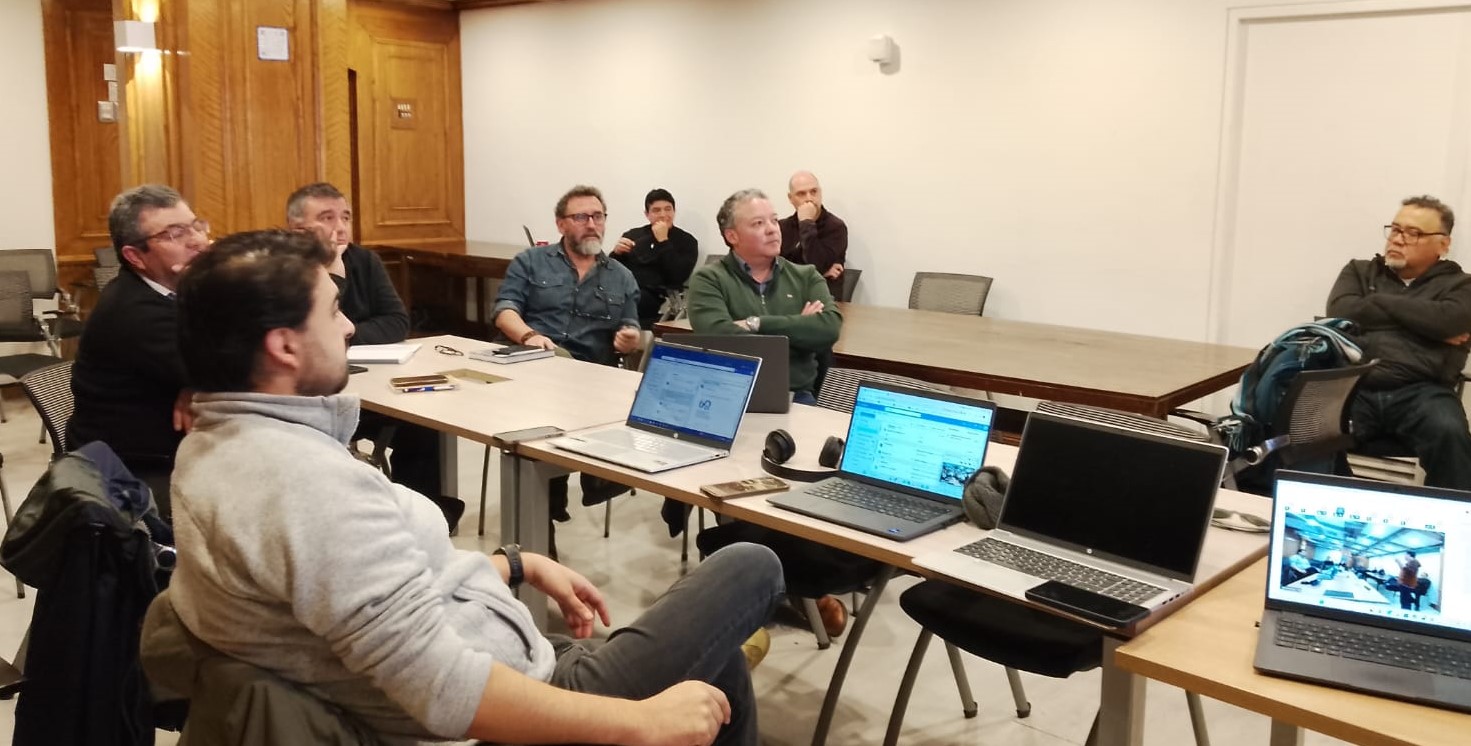
A working meeting was held in person at the IFOP Auditorium, with some participants joining remotely, to share the progress of the collaboration between IFOP and The Nature Conservancy (TNC-Chile) on the project “Development of a Scientific Review Protocol for the Image Recording Device (IRD).”
The meeting was opened by Claudio Bernal, head of the Research and Monitoring Program for Discards and Bycatch in Demersal Fisheries, who welcomed the attendees and presented the institutional and technical framework supporting this initiative.
Subsequently, Luis Cocas, Coordinator of the Biodiversity and Ecosystem Management Unit of the Fisheries Administration Division of the Undersecretariat of Fisheries and Aquaculture, gave a presentation entitled “Use and Implementation of Electronic Monitoring Systems in Chilean Fisheries,” providing an overview of the national experience and the challenges associated with implementing this tool for fisheries management.
Next, Felipe Torres presented the background of the Electronic Monitoring Pilot Project for the Chilean artisanal Patagonian toothfish fleet, contextualizing the work developed jointly by IFOP and TNC-Chile, as well as the information generated and currently being analyzed by the Institute.
Following this, Jorge Azócar, a researcher with the Discard Monitoring Program in Demersal Fisheries, presented on the available information, the methodologies developed, and IFOP’s accumulated experience in this area, highlighting the learning process and strengthening of technical capacities achieved by the teams involved.
For their part, scientific observers Iván Quezada (IFOP San Antonio) and Nelson Luna, responsible for image analysis, presented “Image Review, Graphic Interface, and Information Manipulation” and “Recommendations and Considerations for Electronic Monitoring,” respectively. Both presentations addressed operational aspects, challenges, and opportunities for improvement identified during the audiovisual recording review process.
The activity concluded with a question-and-answer session, exchange of experiences, and conclusions led by Claudio Bernal. This session allowed participants to identify opportunities to strengthen the protocol development process and consolidate a shared vision for its future implementation.
The meeting, moderated by Jorge Azócar, also included the participation of IFOP project managers and the Head of the Fisheries Department, Dr. Patricia Zárate, who emphasized the importance of this initiative for strengthening the scientific review procedures associated with electronic monitoring and praised the collaborative work carried out among the participating institutions.