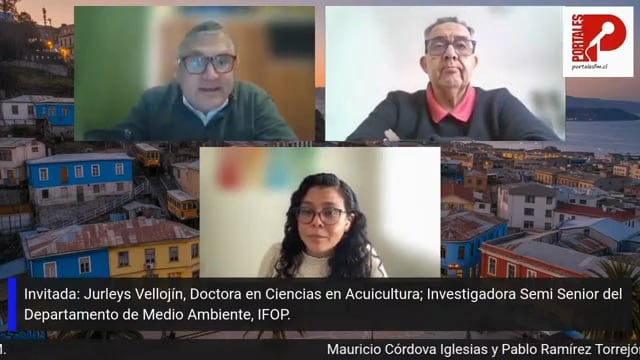
During the interview, the specialist examines in depth the impact of the “El Niño” phenomenon on the Chilean coast, analyzing how rising ocean temperatures alter marine currents and create conditions conducive to harmful microalgae blooms (red tide). Additionally, the discussion covers the implications for public health, seafood safety, and risks to productive activities and the salmon industry in the country’s south, drawing on historical precedents such as the 2016 event.
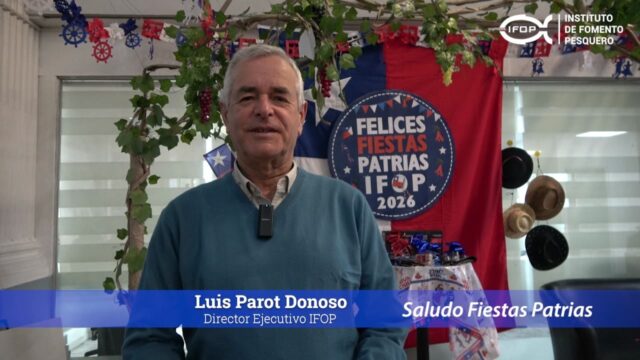
On the occasion of another national anniversary, Luis Parot Donoso sent a message on behalf of the Fisheries Development Institute (IFOP) to its employees, collaborators, and the families who make their living from the sea, from Arica to Puerto Williams.
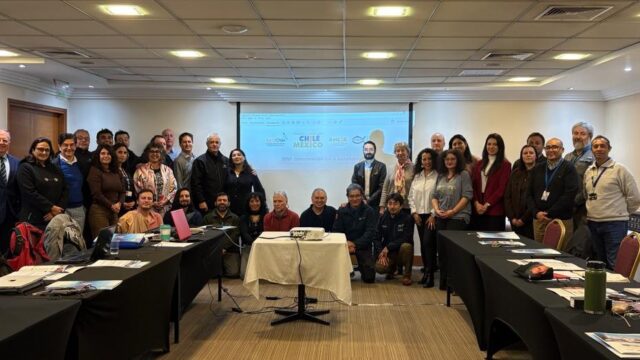
Representatives from public institutions, academia, and civil society participated in a new forum for dialogue and collaborative work under the auspices of the Chile-Mexico Fund. Valparaíso, September 2026. Strengthening the participatory management of benthic fisheries and moving toward more effective co-management were the primary objectives of the third workshop titled “Small-Scale Fisheries Co-management: An Institutional Perspective,” held on August 25 and 26 in Valparaíso. The event took place within the framework of an international cooperation project funded by the...
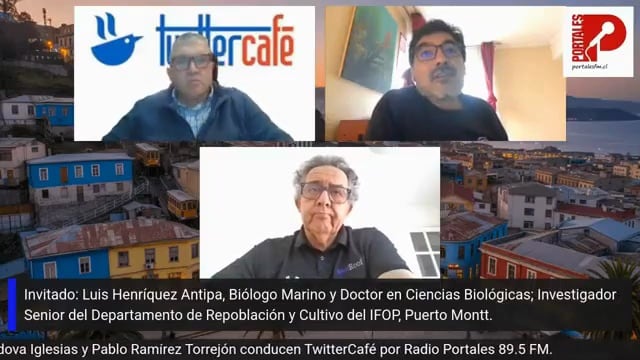
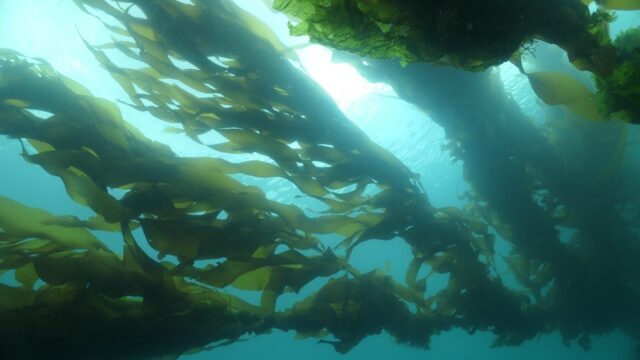
In an interview with Radio Portales, Dr. Luis Henríquez Antipa, a senior researcher at the Institute of Fisheries Development (IFOP) in Puerto Montt, outlined the potential of restorative aquaculture as a key tool for balancing environmental, commercial, and social sustainability. This practice leverages the cultivation of low-trophic-level species—such as macroalgae and mussels—to provide essential ecosystem services: while algae capture carbon and generate oxygen, mussels filter excess nutrients and create habitats for marine biodiversity. In this way, IFOP’s research promotes...
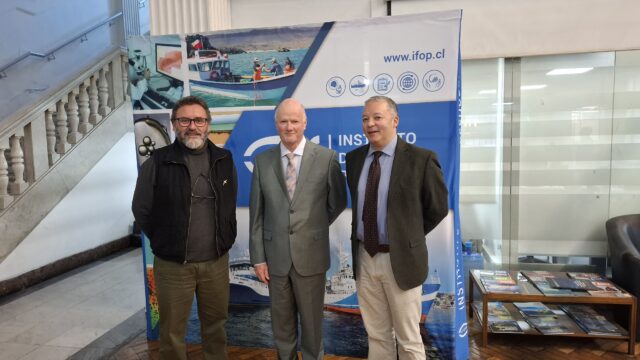
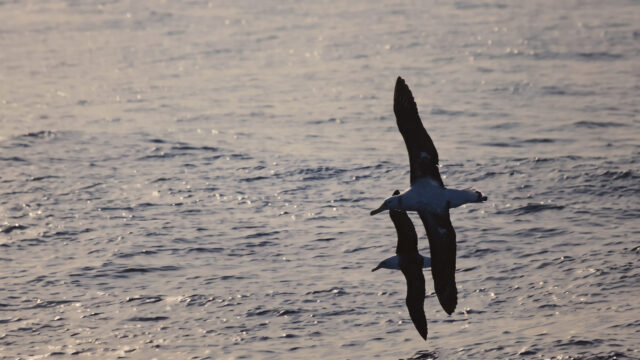
Jonathon Barrington, Executive Secretary of the Agreement on the Conservation of Albatrosses and Petrels (ACAP), meets with professionals from the Fisheries Development Institute (IFOP). During the meeting, held at IFOP’s facilities in Valparaíso, various aspects of Chile’s commitment to the conservation of albatrosses and petrels were discussed, with a particular focus on measures to prevent and reduce seabird bycatch in national fisheries. Mr. Barrington’s visit to IFOP was part of a broader trip to Chile that included a visit...
IFOP is conducting two scientific expeditions to assess the impact of the El Niño phenomenon on anchoveta stocks. They will also serve to identify the appearance of other species, such as the jumbo squid.
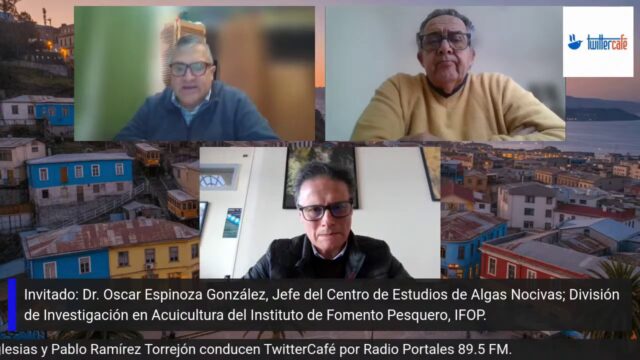
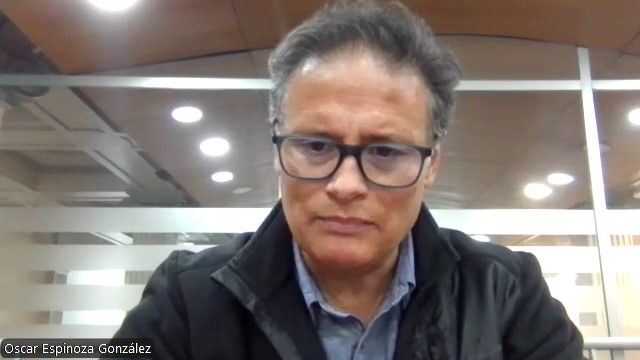
Ten years after the historic impact of harmful algal blooms in 2016, Dr. Óscar Espinoza, head of the Center for the Study of Harmful Algae (CREAN) at the Fisheries Development Institute (IFOP), analyzes the current challenges posed by the El Niño phenomenon in 2026 and the effects of climate change on the ocean. In this conversation, the specialist details how Chile has strengthened its scientific capacity through advanced monitoring and forecasting systems such as SIOM and Chonos, key tools...
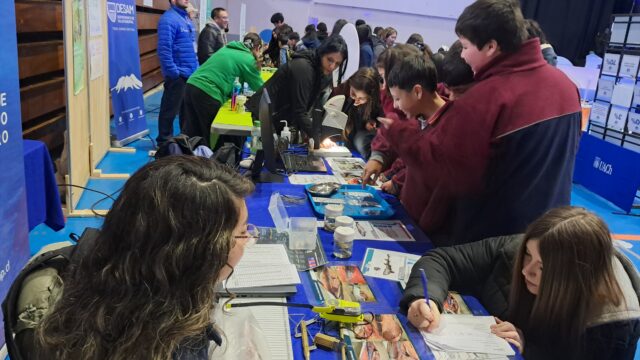
Professionals from the Aquaculture and Fisheries Research Divisions participated in a scientific dissemination day organized by PAR Explora Los Lagos, bringing students and teachers closer to the work carried out by the Institute in hydrobiological health, environment, fluvial, estuarine, and marine ecosystems, aquaculture, and fisheries. With the purpose of bringing scientific research closer to the new generations and strengthening the bond between public research and educational communities, professionals from the Fisheries Development Institute (IFOP) participated on August 26 and...
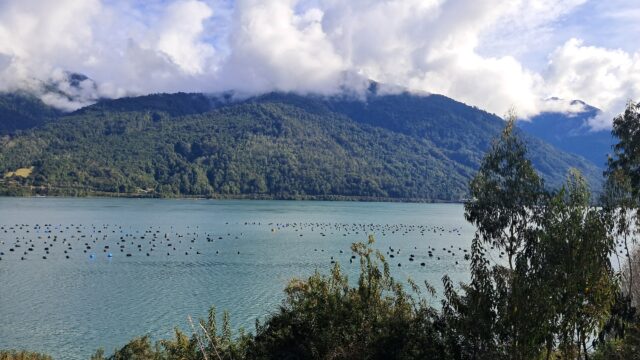
With 129 participants from the production sector, public agencies, academia, and research centers, the Fisheries Development Institute (IFOP) concluded the 13th phase (2025-2026) of the Monitoring and Surveillance Program on Mussel Larval Availability, an initiative that generates strategic information to support the sustainability of Chilean mussel farming and decision-making in one of the country’s main aquaculture sectors. Mussel production depends on a fundamental biological process: the natural availability of seeds collected from the environment. Unlike other aquaculture activities that...
On Friday, August 28, at the Fonck Museum in Viña del Mar, the talk “Seabirds and Fishing: Progress and Challenges in Mitigating Bycatch” was held. It was presented by IFOP researcher Luis Adasme. The talk was a complete sell-out, as in addition to the general public who attend the weekly science sessions every Friday, an entire class and their teachers were also present. A very interactive session was held with the attendees, and the IFOP professional answered all their...
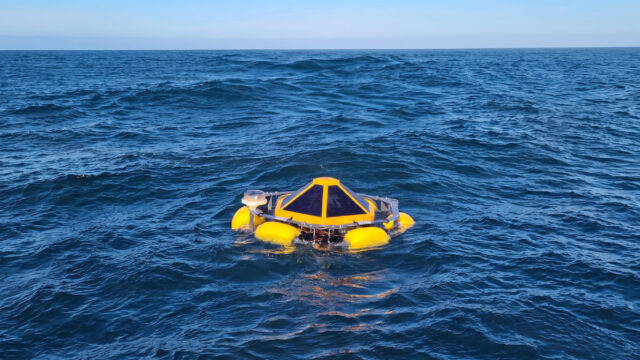
In the Tarapacá Region, very close to the mouth of the Loa River, lies Caleta Río Seco, one of the most productive artisanal fishing areas in northern Chile. Its fishermen harvest important marine resources, mainly sea urchins and octopus, which are later sold and even reach supermarket chains. It is precisely in this location that the Fisheries Development Institute (IFOP) is taking another step in strengthening ocean observation and generating environmental information for the coastal zone. In addition to...
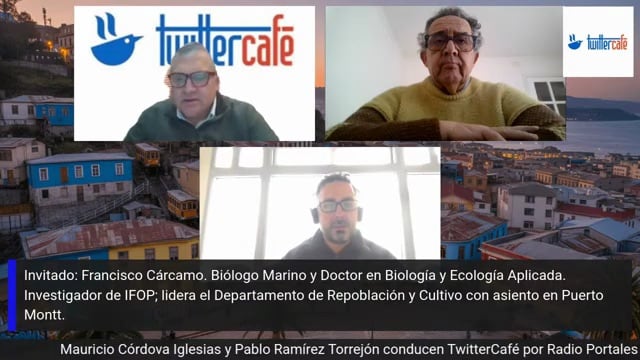
In this interview, marine biologist and researcher Francisco Cárcamo, from the Fisheries Development Institute (IFOP), discussed the development and potential of small-scale aquaculture (SSA) in Chile. Cárcamo explained how this activity represents a sustainable transition for artisanal fishers in the face of scarce marine resources, highlighting key species such as mussels, oysters, and trout, as well as innovative initiatives in seaweed cultivation, such as cochayuyo (seaweed). He also emphasized the low environmental impact of this practice and the importance...
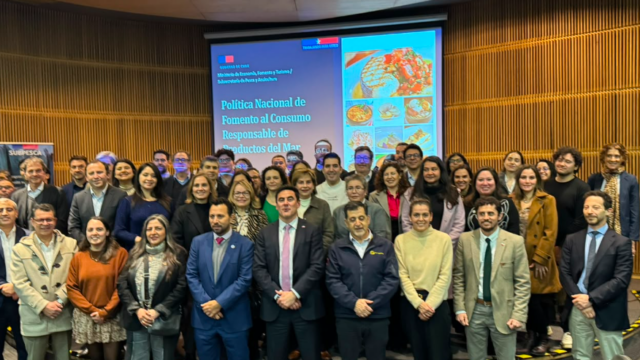
The Undersecretariat of Fisheries and Aquaculture invited the Fisheries Development Institute (IFOP) to collaborate on the development of the future National Policy for Promoting Responsible Seafood Consumption, specifically requesting the participation of researchers from the Department of Economics and Statistics (DEE), Gonzalo Olivares and Johanna Rojas, in recognition of their experience in estimating national seafood consumption and developing indicators for monitoring domestic consumption. During the initial stages of the collaboration, both professionals contributed to the analysis and interpretation of...
Organized by the IFOP Restocking and Aquaculture Department The prestigious scientific journal Fisheries Research has officially published its new special issue entitled “Aquaculture-Aided Enhancement for Conservation and Sustainable Fisheries.” This milestone represents the culmination of the work developed within the framework of the 7th International Symposium on Stock Improvement and Sea Ranching (ISSESR7), held in November 2024 in Puerto Varas. This scientific and public event—marked by the commemorations of the 60th anniversary of the Fisheries Development Institute (IFOP)—made history...