

20 July 2026

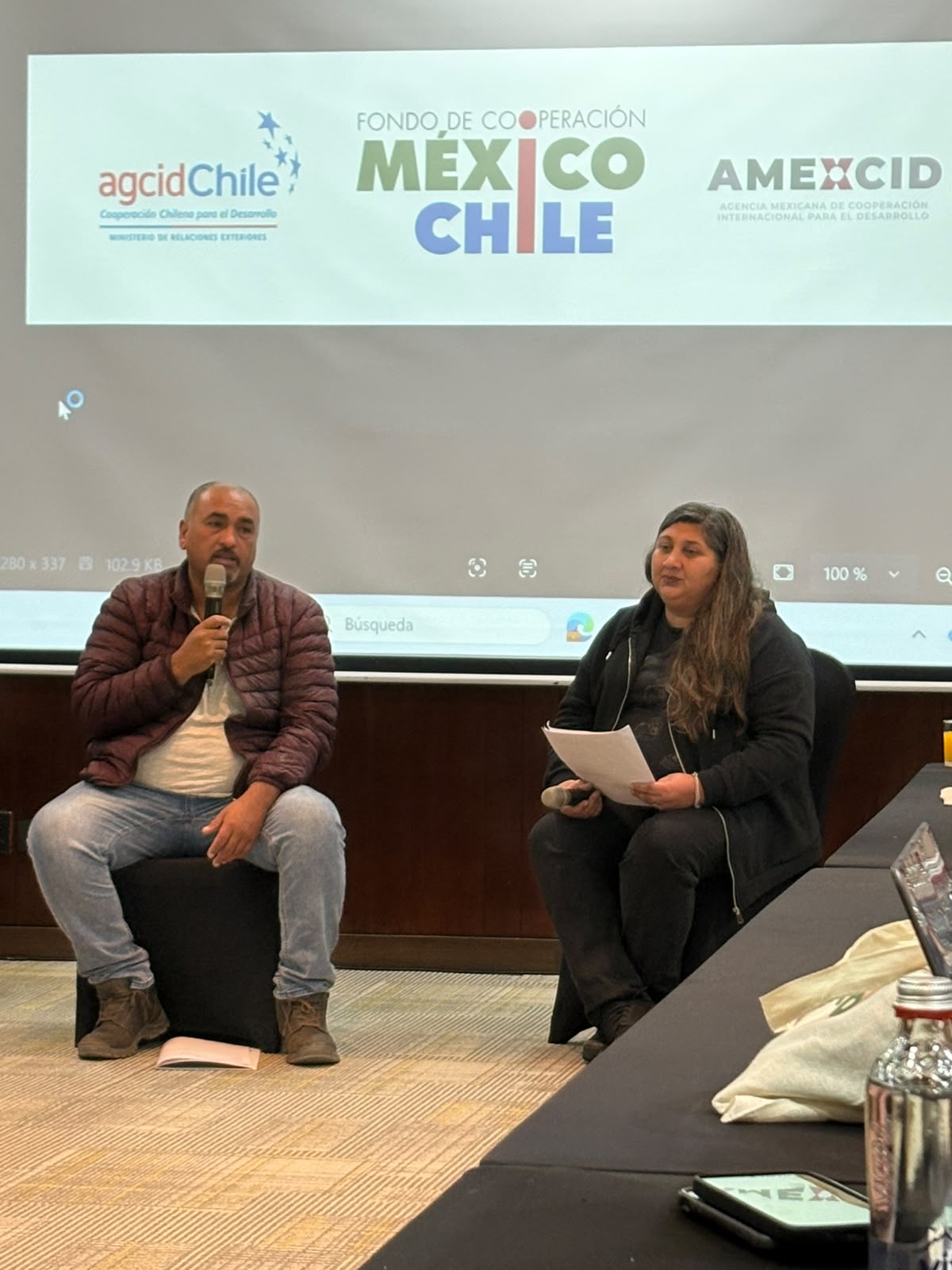 The initiative aims to strengthen the governance of small-scale fisheries with a focus on sustainability, inclusion, and adaptation to climate change, and is funded by the Chile-Mexico Fund.
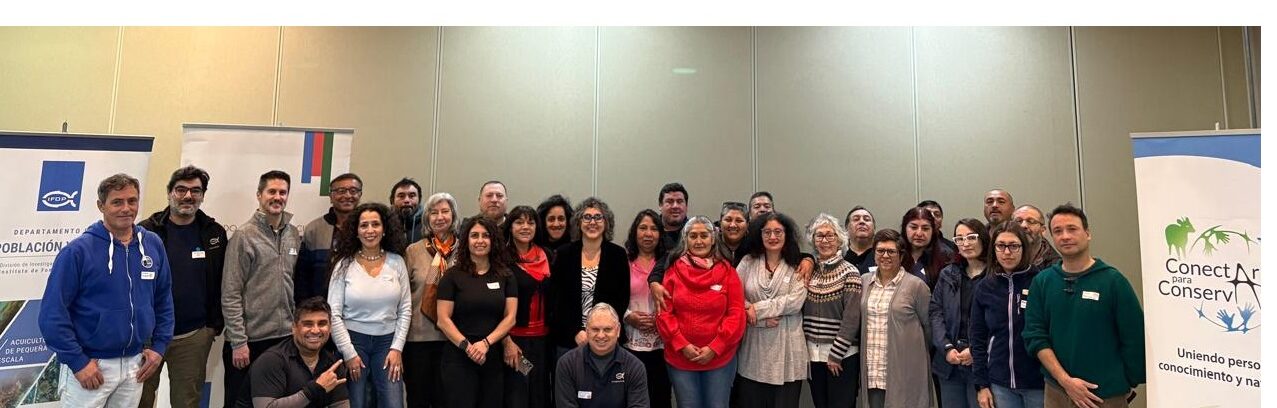
With the participation of 35 representatives from Benthic Fisheries Management Committees, artisanal fishers, industry professionals, and researchers, the second training session of the Chile-Mexico cooperation project, which seeks to strengthen the co-management of small-scale fisheries, concluded in Puerto Montt.
The project, implemented by the Fisheries Development Institute (IFOP) and the Mexican Institute for Research in Sustainable Fisheries and Aquaculture (IMIPAS), is being carried out throughout Chile, as it includes the participation of members of Benthic Resource Management Committees at the national level, with an emphasis on Chiloé and Ancud Bay, and in Mexico in the towns of Celestún, Sisal, Progreso, and Río Lagartos, in Yucatán. Its purpose is to strengthen the governance of benthic resources through an approach that incorporates gender equality, inclusion, aquaculture and fisheries technology training, and climate change adaptation.
The workshop also included professionals from the Undersecretariat of Fisheries and Aquaculture (SUBPESCA), the National Fisheries and Aquaculture Service (SERNAPESCA), the National Institute for Sustainable Development of Artisanal Fisheries and Small-Scale Aquaculture (INDESPA), researchers from the Fisheries Development Institute (IFOP) and the Austral University of Chile, as well as representatives from the organizations “Connecting to Conserve” and “Embroiderers of Miramar.”
During the working sessions, participants addressed topics related to the project’s progress, climate change, ecosystem restoration, participatory monitoring, protected areas, governance, and the current challenges of co-management in Chile.
The project leader and senior researcher at IFOP, Nancy Barahona Toledo, emphasized that this initiative aims to strengthen the capacities of those involved in the management of small-scale fisheries and generate tools that contribute to the design of more inclusive and sustainable public policies. “The project has allowed us to consolidate learning networks, promote participatory monitoring, and incorporate a gender perspective as a cross-cutting theme to strengthen the governance of benthic fisheries,” he noted.
For his part, Nibaldo Yáñez, a member of the Atacama Brown Algae Management Committee and director of the National Coordinator of Seaweed Harvesters of Chile, valued the opportunity for exchanging experiences among organizations from different regions and agreeing on a roadmap aimed at strengthening the visibility of the Management Committees and their contribution to the sustainability of fisheries. “As a Co-Management Network, we must highlight the importance of the committees and the hydrobiological resources for the country, as well as the human capital that sustains this activity. We want to influence public policies that strengthen our work and the sustainability of the resources, sharing our experience and the realities we face in the territories,” he stated.
One of the main outcomes of the meeting was the strengthening of the Co-Management Learning Network, an initiative that brings together representatives from various Management Committees across the country to share experiences, build capacity, and promote improvements in fisheries management that place coastal communities at the heart of decision-making.
The activity was led by Layla Osman, director of Conectar para Conservar and leader of Co-management2030, who emphasized that the Learning Network is a strategic space for strengthening capacities, connecting territories, and promoting public policies developed from the experience of the Management Committees themselves.
The project is funded by the Chile-Mexico Joint Cooperation Fund, administered by the Chilean Agency for International Development Cooperation (AGCID) and the Mexican Agency for International Development Cooperation (AMEXCID), a mechanism that since 2006 has supported more than 230 bilateral cooperation initiatives.
Press related links