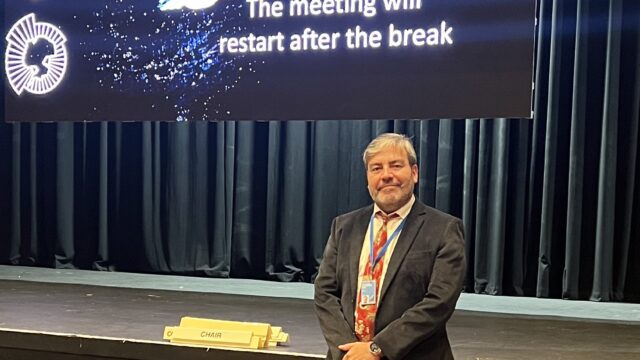
Dr. Carlos Montenegro is participating in meetings of the Working Group on Fish Stock Assessment (WG-FSA-2026) and the Scientific Committee of CCAMLR (SC-CAMLR-45) in Hobart, Australia, contributing to discussions through four research papers. Dr. Carlos Montenegro, a senior researcher in the Fisheries Research Division of the Fisheries Development Institute (IFOP), is participating as a member of the Chilean delegation in scientific meetings of the Commission for the Conservation of Antarctic Marine Living Resources (CCAMLR), held throughout October 2026 in...
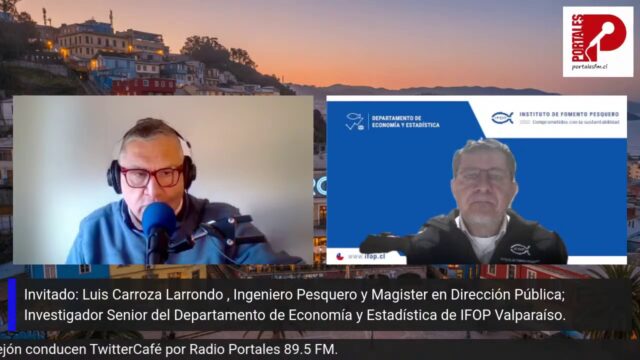
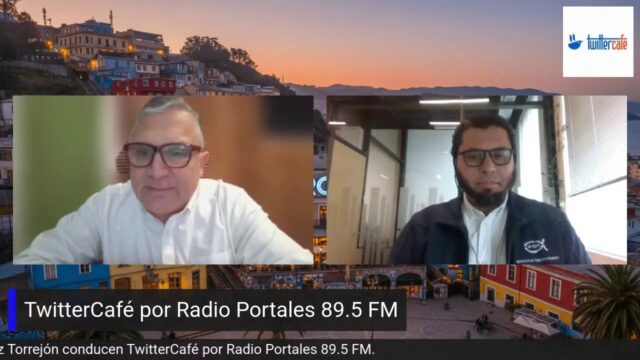
In an interview with Radio Portales, Luis Carroza Larrondo—a senior researcher in the Department of Economics and Statistics at the Fisheries Development Institute (IFOP)—emphasized the need to integrate the socioeconomic dimension into decision-making within the fisheries and aquaculture sector. The specialist explained that, while the health of hydrobiological resources is fundamental, public policy must also account for community profiles, employment, gender perspectives, and market dynamics to ensure the legitimacy and effectiveness of management measures. He further noted that Chile...
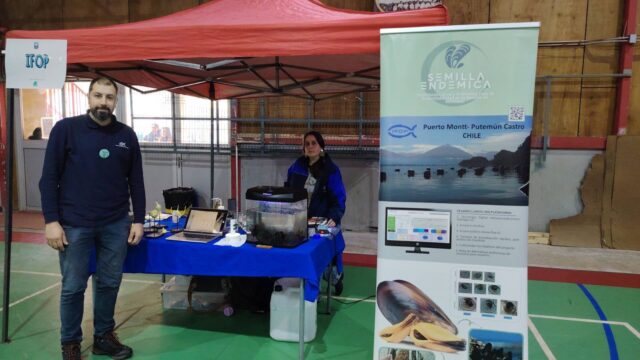
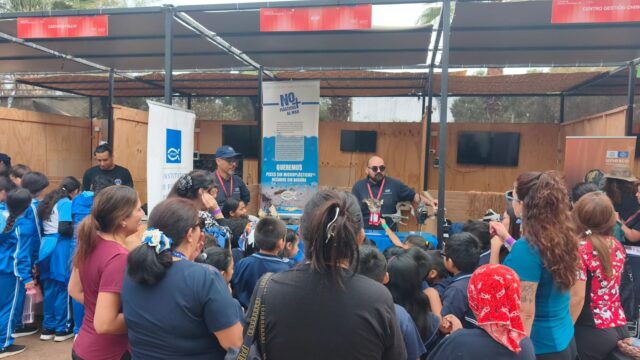
On the morning of October 7, 2026, professionals from the Fisheries Development Institute (IFOP)—Cristian Segura, Óscar Ramírez, and Angélica Alarcón—participated in the 2nd Science, Technology, and Environmental Fair, held at Liceo Aytué in Castro, in the Los Lagos Region. The event, organized by Liceo Aytué, the Interdisciplinary Center for Aquaculture Research (INCAR), and the Chiloé Local Public Education Service (SLEP), brought together students, teachers, and representatives from various institutions linked to science, technology, education, and the environment, fostering the...
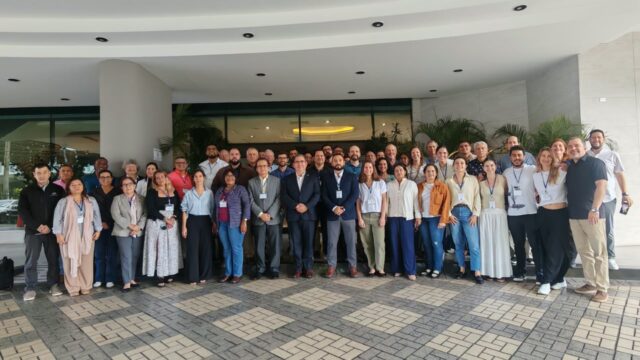
The Director of the Fisheries Development Institute (IFOP), fisheries engineer Luis Parot, and Dr. Jaime Letelier Pino, Head of the IFOP Oceanography Department, formed the national delegation representing Chile at the “High-Level Regional Conference on the Effects of El Niño and Climate Change on Marine Ecosystems in the Eastern Pacific Ocean,” held in Panama City from October 14 to 16, 2026. The significance of this gathering for the Institute—the primary advisor to the Chilean State regarding the El Niño...
On October 15, the Natural History Museum of Valparaíso hosted the launch of *WIRO X: An Experience Among Underwater Forests*—a science outreach project funded by the “Public Science” (*Ciencia Pública*) program of the Ministry of Science, Technology, Knowledge, and Innovation. Developed by Brillo Colectivo in collaboration with researchers from the Fisheries Development Institute (IFOP)—specifically its Management Areas section—the Pontifical Catholic University of Valparaíso, and the Natural History Museum of Valparaíso, *WIRO X* invites users to explore the underwater forests...
In an interview with Radio Portales, Camilo Torres, head of the Department of Economics and Statistics at the Fisheries Development Institute (IFOP), highlighted the importance of integrating socioeconomic and statistical approaches into decision-making for Chile’s fisheries and aquaculture sector, with the goal of ensuring both biological sustainability and social equity within coastal communities. Torres addressed the severe impacts of the El Niño phenomenon, noting that the displacement of pelagic species—such as jack mackerel and anchoveta—has led to a nearly...
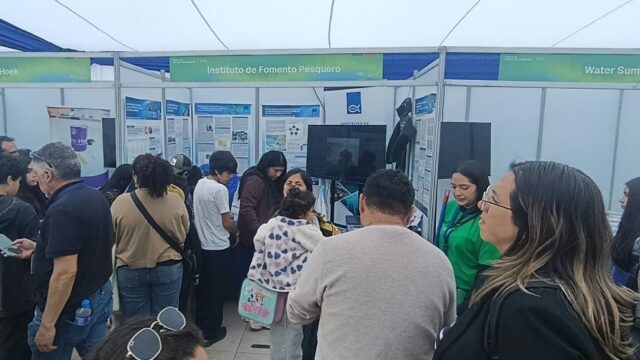
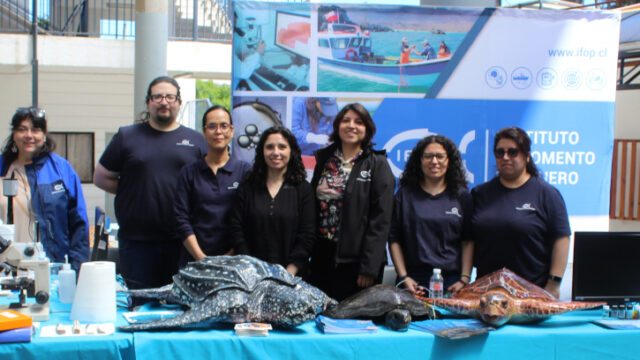
This initiative, organized by the Ministry of Science, aims to create meaningful experiences and bring science, technology, knowledge, and innovation closer to communities throughout the country. On October 8, a science festival was held in La Serena under the theme “Asking Questions Moves Us.” The event sought to spark curiosity and demonstrate that one does not need to be an expert to engage with science. Featuring 20 booths, the festival brought together institutions, researchers, students, and various organizations, all...
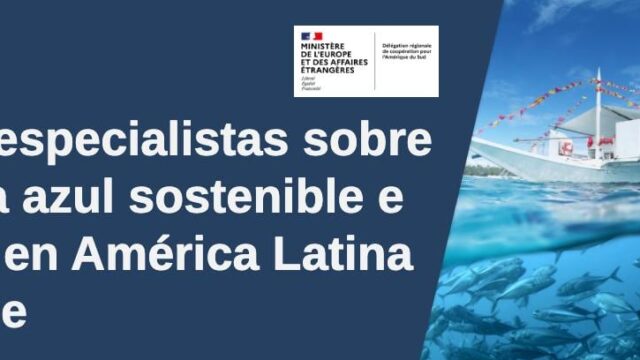
With the support of the French Embassy in Chile, ECLAC held a “Specialist Workshop on a Sustainable and Inclusive Blue Economy: Toward a Regional Transition for the Sustainability of Key Marine Ecosystems and Artisanal Fisheries” on September 23–24. The initiative brought together experts from the artisanal fishing sector, academia, international organizations, and government entities. The workshop fostered dialogue and knowledge exchange on how Latin America and the Caribbean can move toward a blue economy that integrates the functioning and...
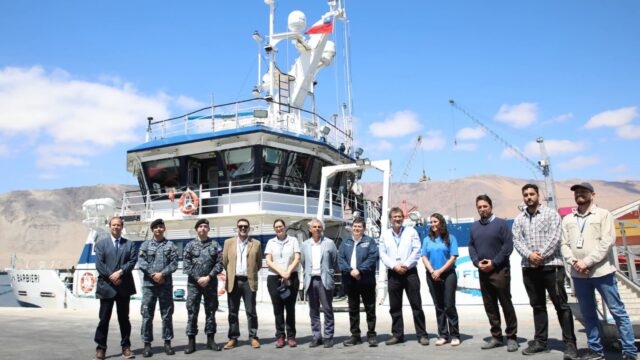
To learn about progress in anchoveta research. On September 28, a research-focused fishing expedition began for the “Assessment of the Anchoveta Spawning Stock and Oceanographic Conditions”—a comprehensive study spanning from the Arica y Parinacota Region to the Antofagasta Region. This research employs the Daily Egg Production Method (DEPM), one of the primary methodologies used in Chile to estimate the spawning biomass of strategic fishery resources, with a particular focus on small pelagic species such as the anchoveta. The project...
IFOP’s participation in CienTeArt 2026 reflects its commitment to building long-term regional relationships. The event brought together scientific expertise from the three departments within the Aquaculture Research Division, providing the community with insights into aquatic ecosystems, biodiversity, and productive activities, while fostering an interest in science among the younger generation. On October 7th and 8th, the Juan Soler Manfredini Border School in Cochamó became a hub for curiosity, creativity, and knowledge as it hosted the 4th CienTeArt 2026 Science...
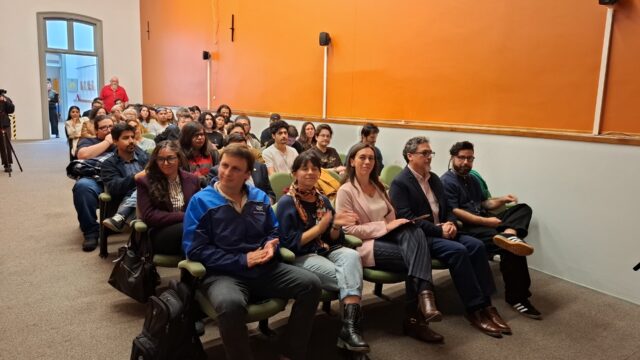
On Friday, October 9, a science exhibition organized by biology students from across Chile was held at the University of Valparaíso’s Faculty of Architecture. IFOP participated with a team of professionals who showcased the work carried out at our institute to the attendees. Representing the Department of Oceanography, Andrés Varas presented and explained the operation of various oceanographic and meteorological instruments used by the Institute for its monitoring and research activities—including weather stations, plankton nets, Niskin bottles, and CTD...
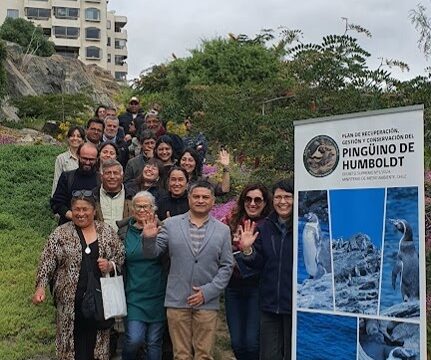
The initiative brought together public agencies, academia, NGOs, fishing associations, and Changa Indigenous communities, solidifying a regional alliance to protect this endangered species. COQUIMBO, October 8, 2026. With the participation of institutional, scientific, and community stakeholders from the region, the Regional Committee for the Recovery, Conservation, and Management (RECOGE) Plan for the Humboldt Penguin in the Coquimbo Region was officially established. The meeting, jointly convened by the National Forest Corporation (CONAF) and the Biodiversity and Protected Areas Service (SBAP),...
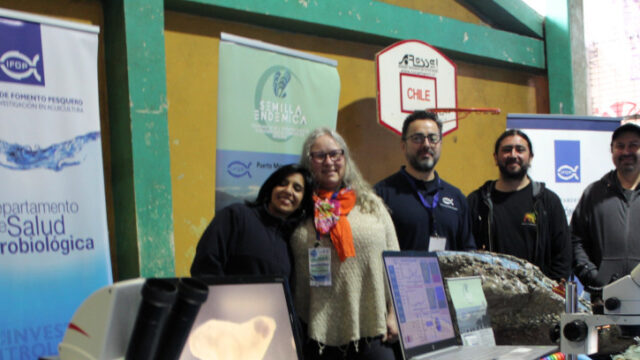
The Regional Office of the Fisheries Development Institute (IFOP) participated on Thursday, October 8, in the 2026 Science and Technology Festival held at Centenario Park in Arica. The event was organized by the Regional Ministerial Secretariat of Science, Technology, Innovation, and Knowledge for Arica and Parinacota. The event brought together various regional ministerial secretariats, public agencies, regional directorates, research centers, and private companies, all of which set up information booths to bring science, knowledge, and environmental management closer to...
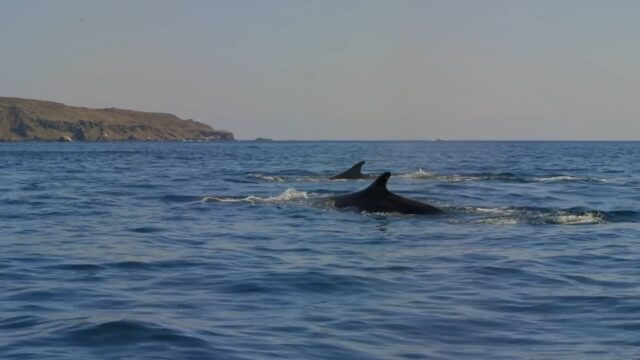
A report aired on Meganoticias regarding sightings of marine wildlife—including humpback whales, orcas, and bottlenose dolphins—that have delighted residents and tourists near locations such as Punta de Choros, Los Molles, and the Biobío Region. This phenomenon, driven by the abundance of nutrients generated by the Humboldt Current along the migratory routes of these species, not only offers unforgettable encounters near the shore but also highlights the area’s extraordinary biodiversity and the importance of conserving our marine ecosystems.
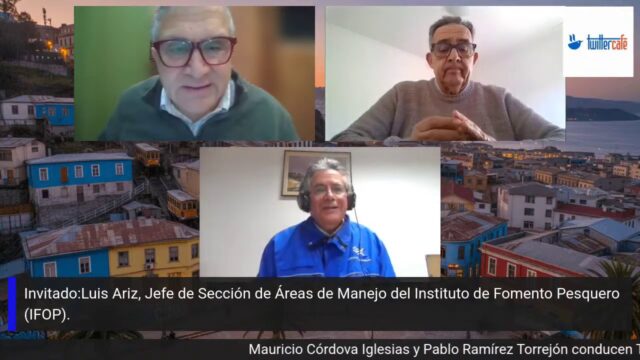
In this interview, Luis Ariz, head of the Management Areas section at the Fisheries Development Institute (IFOP), explains the historical and current significance of the Management and Exploitation Areas for Benthic Resources (AMERB) in Chile. During the conversation, he highlighted that this globally pioneering system—which encompasses more than 650 areas throughout the country—has made it possible to regulate the artisanal harvesting of iconic species such as the Chilean abalone (*loco*) and sea urchins. It fosters co-management between fishing organizations...