
13 October 2026
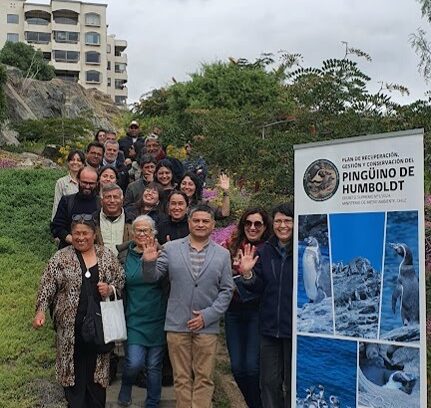
 The initiative brought together public agencies, academia, NGOs, fishing associations, and Changa Indigenous communities, solidifying a regional alliance to protect this endangered species.
COQUIMBO, October 8, 2026. With the participation of institutional, scientific, and community stakeholders from the region, the Regional Committee for the Recovery, Conservation, and Management (RECOGE) Plan for the Humboldt Penguin in the Coquimbo Region was officially established. The meeting, jointly convened by the National Forest Corporation (CONAF) and the Biodiversity and Protected Areas Service (SBAP), took place at the CONAF regional headquarters.
The gathering served to activate the plan’s regional governance framework—under Supreme Decree No. 1/2024 of the Ministry of the Environment—and to incorporate local perspectives regarding the conservation of the species and its habitat.
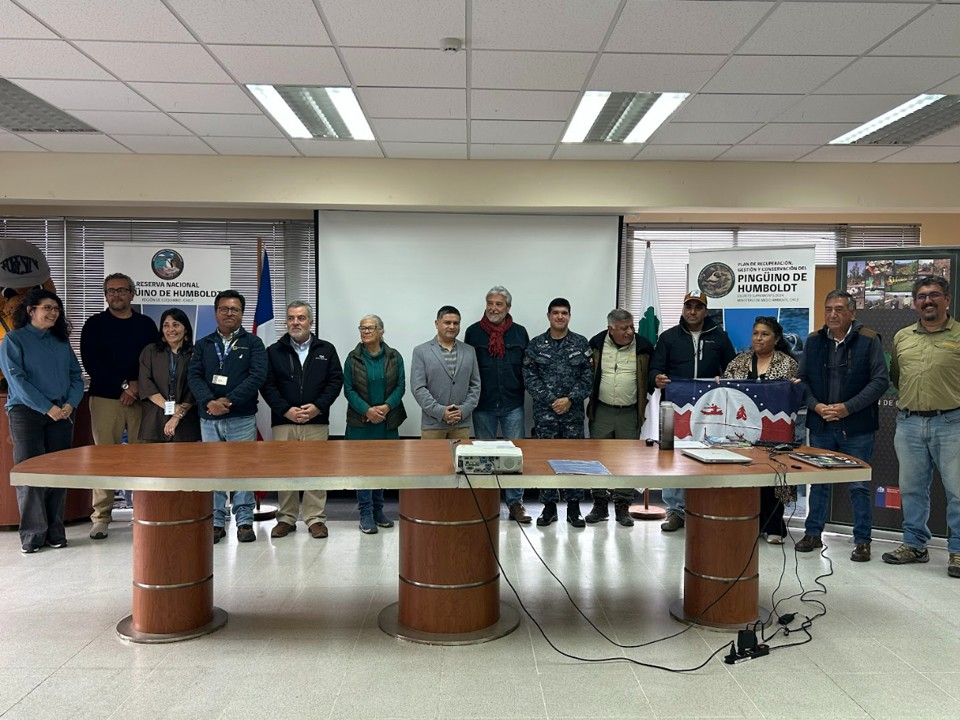
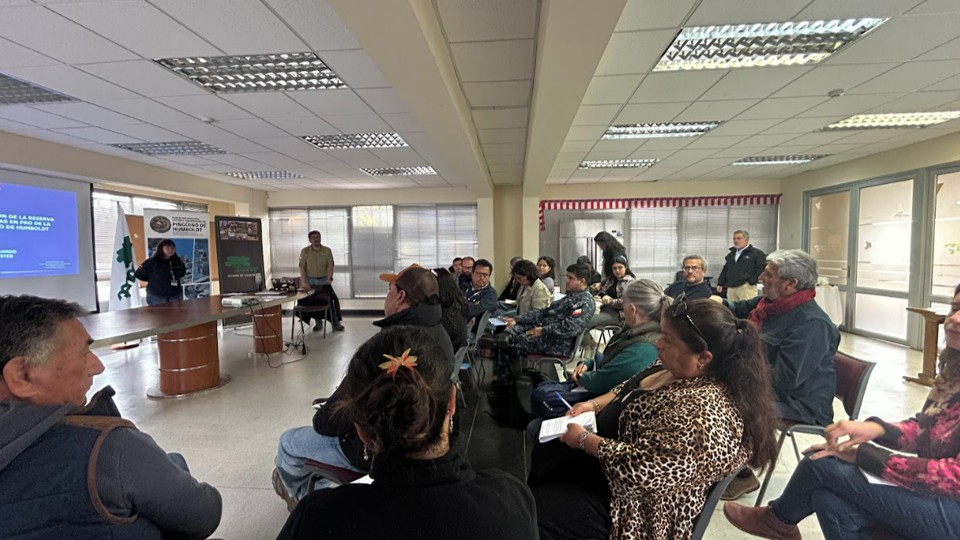 The session involved the active participation and signing of the official record by authorities and representatives from CONAF, SBAP, the Regional Ministerial Secretariat (SEREMI) for the Environment, SERNAPESCA, IFOP, and the Coquimbo Maritime Authority, as well as managers from the Humboldt Penguin National Reserve and the Choros-Damas Islands Marine Reserve. Signatories representing civil society, the scientific community, and coastal communities included the Universidad Católica del Norte (UCN), the NGO Sphenisco Chile, the Independent Sea Workers’ Association of Caleta Punta Choros, the Humboldt Archipelago Changa Indigenous Community, and the Juana Vergara and Family Changa Indigenous Community. Among the key agreements, the committee unanimously approved its own composition, established a schedule of at least two regular sessions per year, and set its next meeting for late 2026—to be coordinated with the session of the Management Committee for the Choros and Damas Islands Marine Reserve. Additionally, the Protected Areas Department (DAP) of CONAF Coquimbo was designated to act as the committee’s interim coordinating body until the SBAP assumes these functions in the near future.
Alejandro Dal Santo, Regional Director of IFOP Coquimbo, stated: “For our part, our institution is very pleased to have been invited to participate in this forum, which addresses the conservation of an iconic species like the Humboldt penguin; IFOP hopes to contribute its knowledge—in the form of data—regarding the various interactions occurring within the marine territory inhabited by the species.”