

15 October 2026
 To learn about progress in anchoveta research.
On September 28, a research-focused fishing expedition began for the “Assessment of the Anchoveta Spawning Stock and Oceanographic Conditions”—a comprehensive study spanning from the Arica y Parinacota Region to the Antofagasta Region.
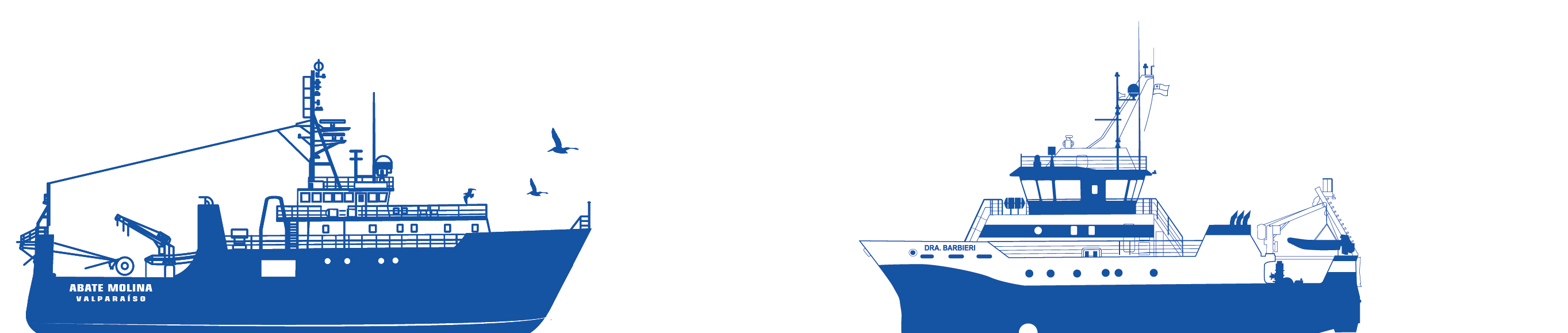
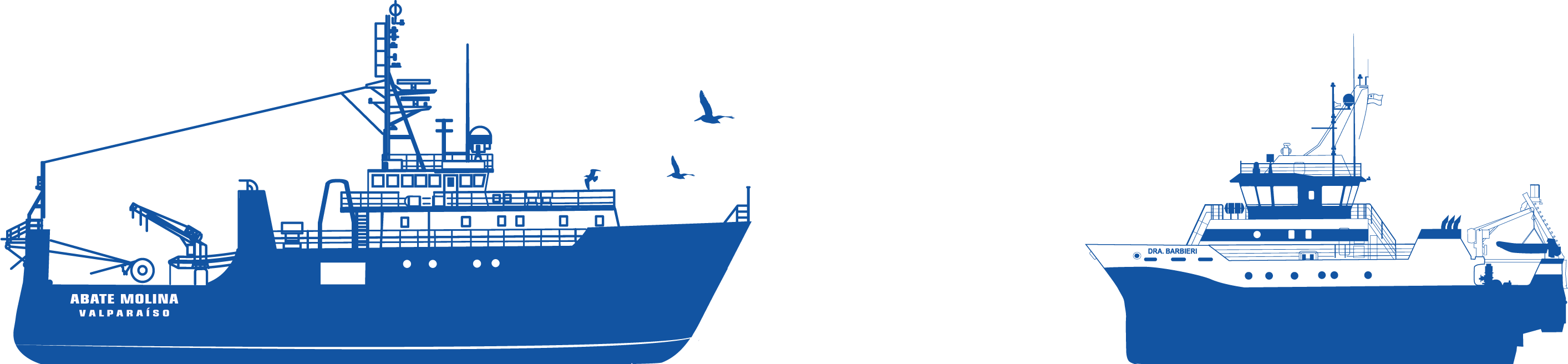
This research employs the Daily Egg Production Method (DEPM), one of the primary methodologies used in Chile to estimate the spawning biomass of strategic fishery resources, with a particular focus on small pelagic species such as the anchoveta. The project involves the research vessels *Abate Molina* and *Dra. Barbieri*, both belonging to the Undersecretariat for Fisheries and Aquaculture (SUBPESCA) and managed by the Fisheries Development Institute (IFOP).
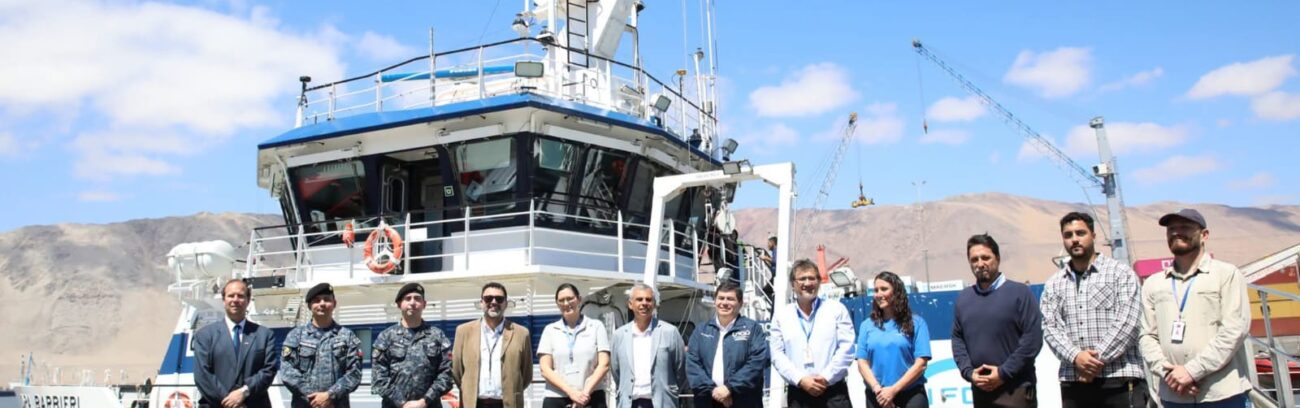
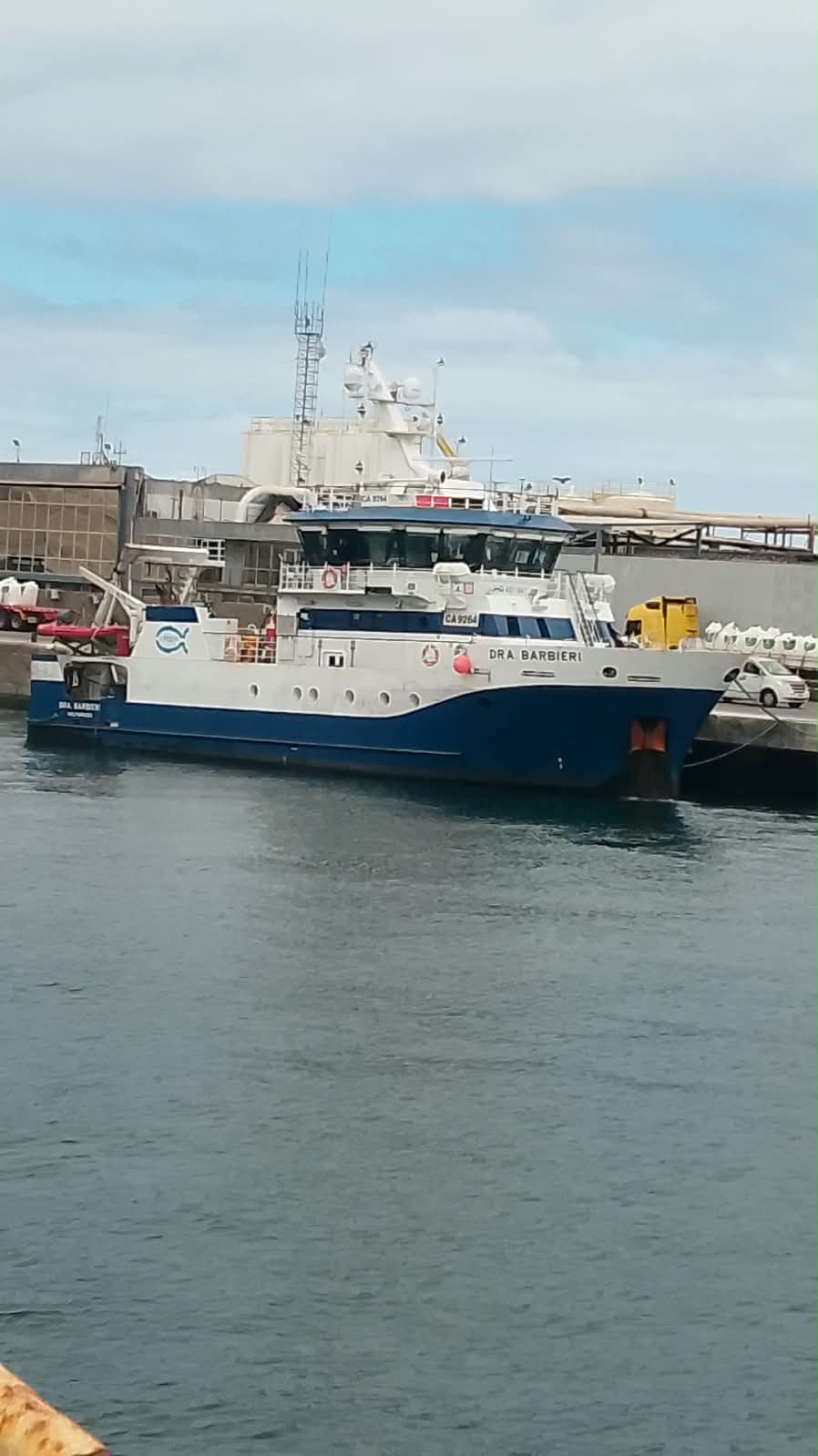
Against this backdrop, on Friday, October 9—following the arrival of the modern, newly commissioned scientific vessel *Dra. Barbieri* at the port of Iquique—regional authorities paid a formal visit to the ship.
The purpose of the visit was to gain firsthand insight into the monitoring work being conducted to generate scientific data for the sustainable management of pelagic resources in the area, particularly in light of the current rise in seawater temperatures driven by the El Niño phenomenon.
The visit focused on analyzing the current status of the anchoveta—a key resource supporting artisanal fishing in the region—whose availability has been impacted in recent years by unfavorable environmental conditions linked, among other factors, to warm-water events like El Niño.
In response to this climate-related vulnerability, scientific institutions have intensified their monitoring efforts in the northern region. Hernán Reyes, head of the Oceanography Section at IFOP and chief scientist for the MDPH research cruise—specifically the phase focused on adult fish aboard the research vessel *Dra. Barbieri*—explained that research cruises are currently underway to collect anchoveta eggs and female specimens. The objective is to forecast the future of this key fishery through a long-running program—now in its 30th iteration—that measures the stock of spawning females.
The current situation is complex. Following a sharp decline in catches in 2023 and a brief, cooler interlude between 2024 and 2025, the Tarapacá Region is now facing an exceptionally warm oceanographic environment. According to Reyes, the gravity of the situation stems from the convergence of two warm-water oceanographic phenomena: “El Niño” and the “Coastal El Niño.”
These two events have caused positive sea-surface temperature anomalies—readings well above the average—reaching nearly +8°C off the northern coast of Peru, and currently +4°C off the northern coast of Chile, directly impacting the marine ecosystem along the South American coastline.
This extreme warming drastically alters the behavior of the anchoveta, which tends to dive to greater depths, move closer to the shore, or migrate southward—a pattern reminiscent of the critical conditions seen in 2014. This shift also leads to a significant reduction in the fish’s size and weight. Consequently, the scientist concluded that continuous monitoring of oceanographic variables is a vital tool for assessing the extent of environmental anomalies and mitigating their impact on the region’s fishery resources through effective management by the relevant authorities.
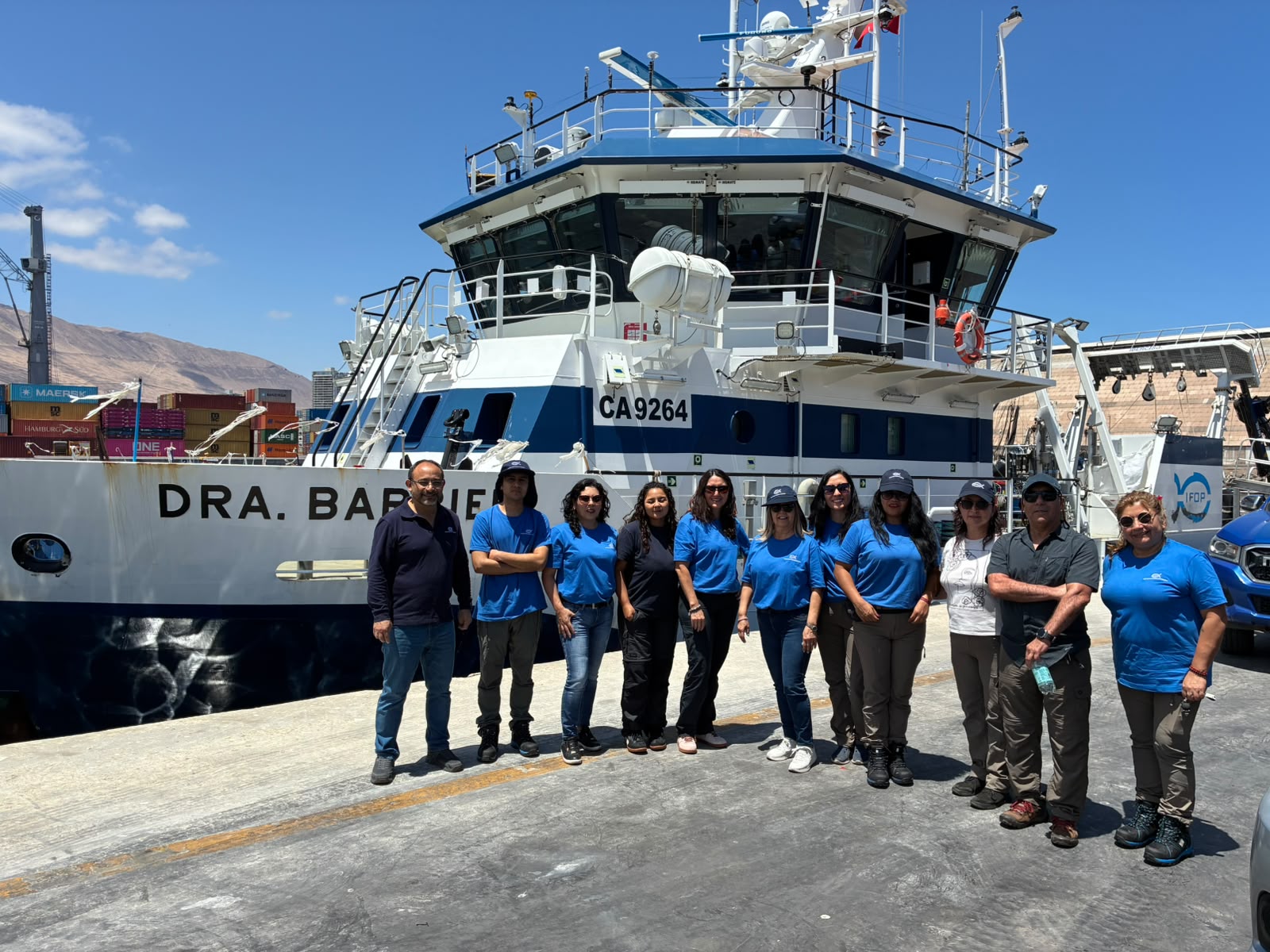 As part of these efforts, an IFOP team—comprising researchers, scientific observers, analysts, and administrative staff—conducted a technical visit aboard the vessel. The group, led by Claudia Molina, Regional Director of the Iquique office, aimed to gain firsthand insight into the crew’s operations and to strengthen professional synergy with their colleagues.
In this context, Claudia Molina highlighted that the work carried out by IFOP serves as a vital bridge between scientific research and the decision-making process for the sustainable management of marine resources. As the State’s primary technical advisory body on fisheries and aquaculture, IFOP generates strategic information to support the administration, conservation, and sustainable use of the country’s aquatic biological resources. This work is underpinned by ongoing biological, oceanographic, and climate monitoring programs, as well as surveillance and early-warning systems for environmental events that could impact ecosystems and related productive activities.
Its primary mission lies in generating strategic technical knowledge to safeguard the biological, food, and economic sustainability of our ocean, protecting this natural heritage for future generations through programs that integrate ongoing biological, oceanographic, and climatic monitoring, as well as sanitary surveillance—spearheading early warning systems for harmful algal blooms.
The two vessels working on this project will conclude their sampling activities on October 30, returning to their home port in Valparaíso. The report containing the 2026 spawning stock assessment for anchoveta (Peruvian anchovy) will be presented to the SSPA in the first quarter of 2027.
Press related links: