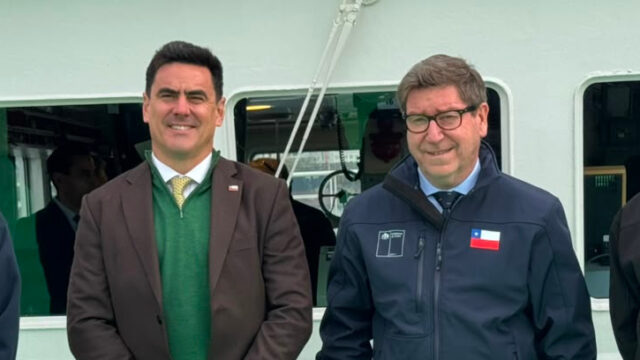
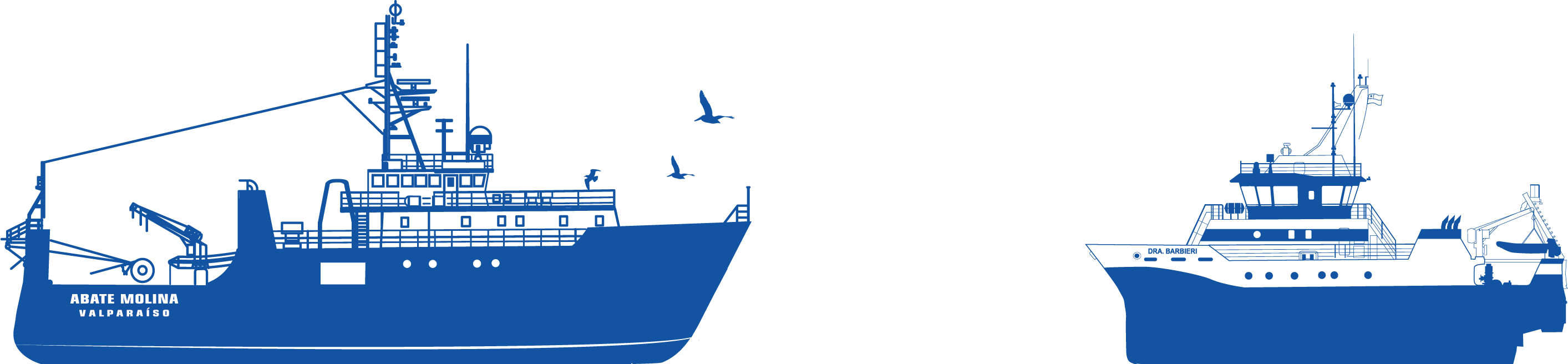
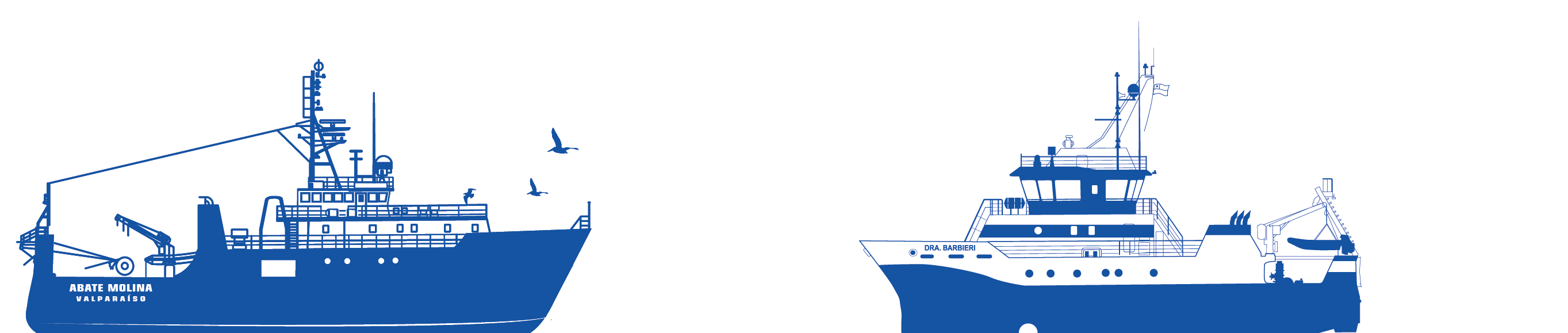
The Deputy Minister of Economy and Mining, Daniel Mas, visited the Scientific Research Vessel (BIC) Abate Molina in Valparaíso, accompanied by the Undersecretary of Fisheries and Aquaculture, Osvaldo Urrutia, and the Executive Director of IFOP, Luis Parot. During the visit, the officials discussed the current status of the vessel, which is undergoing repairs, emphasizing the urgency of advancing the necessary procedures and work to ensure its prompt return to service, given its strategic importance for the country’s marine and...
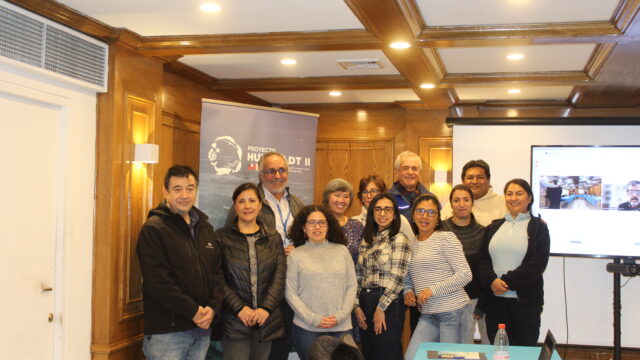
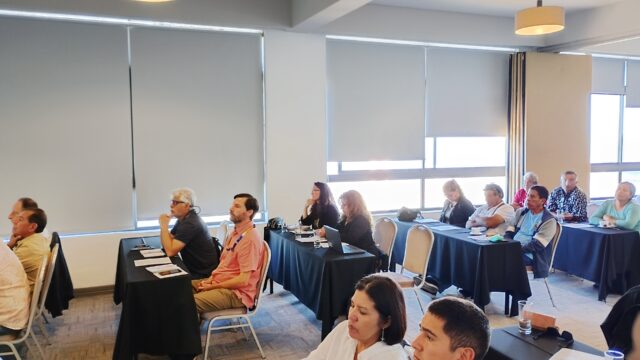
Within the framework of the Humboldt II project, implemented by the United Nations Development Programme (UNDP), the workshop “Standardization of the Spawning Biomass Estimation Protocol for the Anchovy (Engraulis ringens) Stock in Southern Peru–Northern Chile Using the Daily Egg Production Method (DEP)” was held at IFOP headquarters in Valparaíso from May 25 to 27, 2026. Participants included members of the DEP Subgroup of the Binational Technical Group for Direct Assessments: from IFOP (Jessica Bonicelli, Katty Donoso, Catherine Grendi, Hernán...
To commemorate the first anniversary of the Economics and Statistics Department (DEE) of the Fisheries Development Institute (IFOP), and with the aim of bringing the Unit’s work closer to the community, a series of presentations by DEE professionals, led by the Department Head, will be held between May 26 and June 25. The presentations are described below according to the scheduled dates and times: Date Time Topic Speaker 26-05-2026 10 to 11 AM Importance of economics in national fisheries...
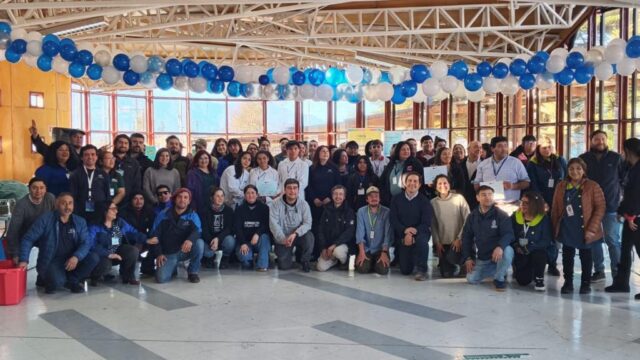
As part of the commemoration of “Sea Month,” the third edition of “Submerged Aysén” was held with a large turnout. This initiative was organized by the Fisheries Development Institute (IFOP), the Aysén Regional Fisheries Directorate, and a broad network of public institutions, social organizations, educational establishments, companies linked to the regional maritime sector, and local artists Pablo Lema and Romanet Seguel-Rojas (painting and dance). The main objective of the event was to bring the community closer to the invaluable...
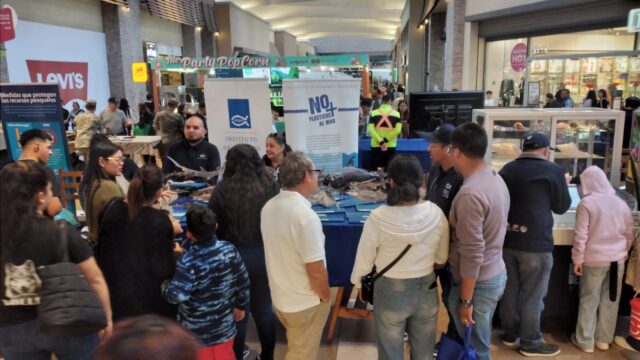
As part of Marine Month, staff from the Fisheries Development Institute (IFOP) conducted various science outreach activities to bring knowledge of the marine ecosystem closer to the community of the Arica and Parinacota region. The first activity took place on Friday, May 15, at the Ricardo Olea Guerra Special School in Arica, where students participated in an educational exhibit about marine species found along the northern coast of Chile. Through taxidermied specimens, the children were able to observe and...
From May 4 to 8, 2026, the international symposium on small pelagic fish, “Navigating Changes in Small Pelagic and Forage Fish Communities: Climate, Ecosystems and Sustainable Fisheries” (SPF-2026), was held in La Paz. This scientific meeting brought together specialists from various countries to address the effects of climate variability, ecosystem changes, and the challenges associated with the sustainable management of small pelagic fish. Chile was represented by researchers from the Pontifical Catholic University of Valparaíso (PUCV), the University of...
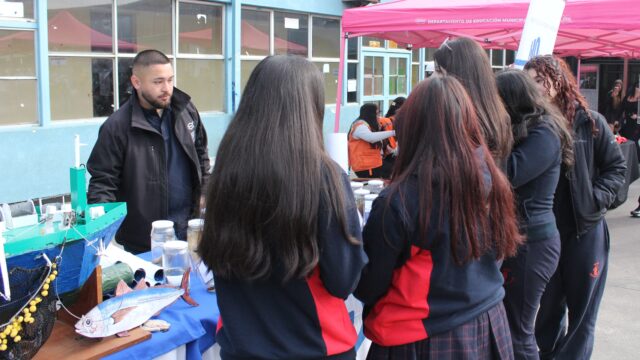
On May 13th, the Marine Month Fair was held at the Penco High School. An IFOP team attended, as in previous years. Regarding the event, Cristián Villouta, Field Coordinator of the pelagic project, which includes an outreach component, stated that the objective of their participation was to show the high school students the work carried out by their scientific observers, who could be future sources of employment. The workshop delved into the work carried out on board artisanal and...
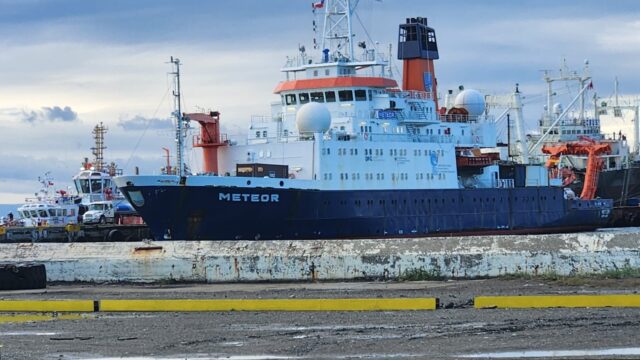
From April 2nd to May 6th, 2026, Pamela Carbonell A., a researcher at the Center for the Study of Harmful Algae (CREAN) of the Aquaculture Division based in Puerto Montt, participated in the scientific expedition aboard the German vessel METEOR. The expedition covered a 2,500-nautical-mile transect, departing from Punta Arenas and calling at the port of San Vicente in the Biobío Region. The expedition, identified as TRACK-HAB (“Tracking the footprint of an extreme harmful algal bloom event”), campaign M218,...
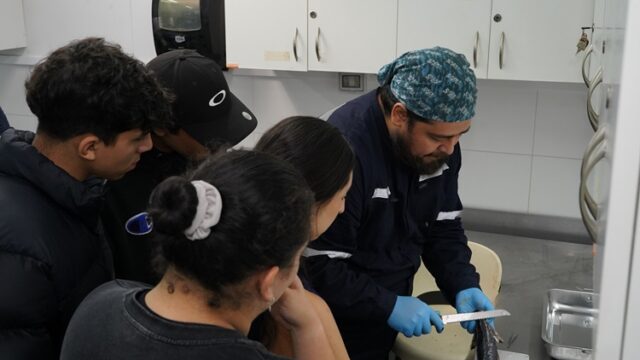
A group of Fisheries Biology students from the Catholic University of the Holy Conception visited the IFOP Talcahuano headquarters, where they toured the laboratories, spoke with scientific observers, and learned firsthand about the important work IFOP carries out throughout the country. This visit, requested by the university and held in recent years, enhances the students’ knowledge and future performance. Fabián Guzmán, the course instructor and head of the delegation, emphasized that “these visits are fundamental to the students’ training...
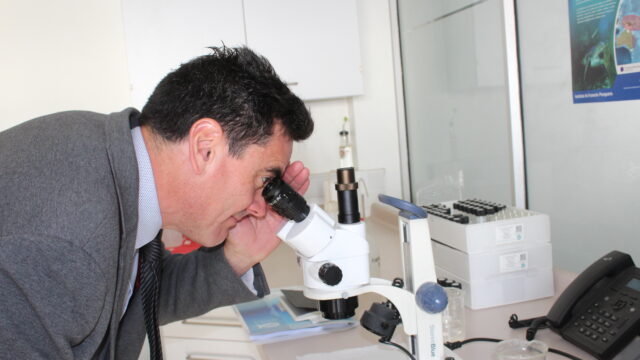
On Friday, May 15, Undersecretary of Fisheries and Aquaculture Osvaldo Urrutia Silva visited the Fisheries Development Institute (IFOP) in Valparaíso. During his visit, he met with IFOP Executive Director Luis Parot Donoso and IFOP Chairman of the Board Gabriel Yany, where they discussed various topics and received presentations on the institute’s main projects. The Undersecretary also toured the Otolith Laboratory and the Planktology Laboratory of IFOP’s Department of Oceanography and Environment. There, he learned about the laboratory’s activities, including...
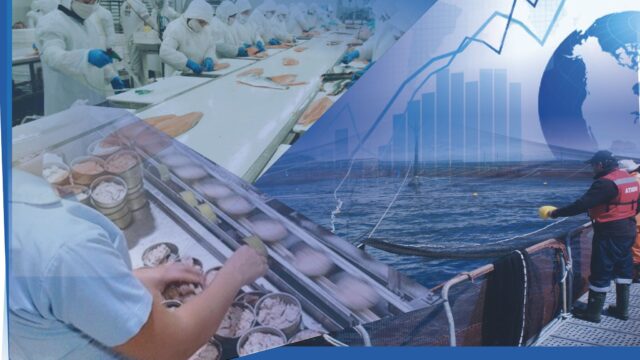
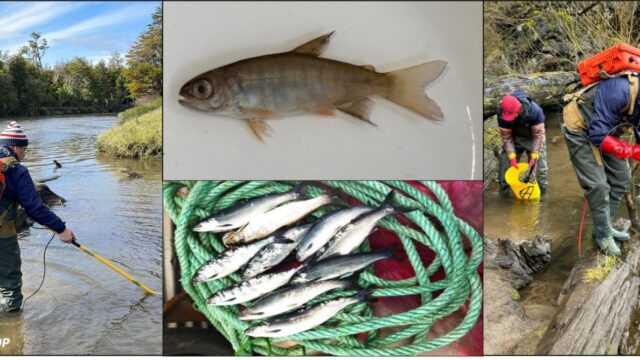
A collaborative effort between 16 Chilean salmon farming companies, Intesal, and IFOP to assess the risk of wild salmon re-establishment revealed a low presence of Coho salmon and an absence of Atlantic salmon. The Chilean salmon farming industry has made significant progress toward international certification with a scientific study developed jointly by 16 companies in the sector, with technical management by the Salmon Technological Institute (Intesal) and execution by the Department of Hydrobiological Health (DSH) of the Fisheries Development...
The technical workshop “Status of Brown Algae Fisheries in the Tarapacá Region: Resource, Fleet, Market, and Management Recommendations” was held at the end of April in the Océano Sur room of the Gran Cavancha Hotel in the city of Iquique. The workshop was organized by the Regional Directorate for the Arica and Parinacota, Tarapacá, and Antofagasta Regions, in conjunction with the Benthic Resources Unit of the Fisheries Administration Division of the Undersecretariat of Fisheries and Aquaculture. This meeting brought...