

24 June 2026
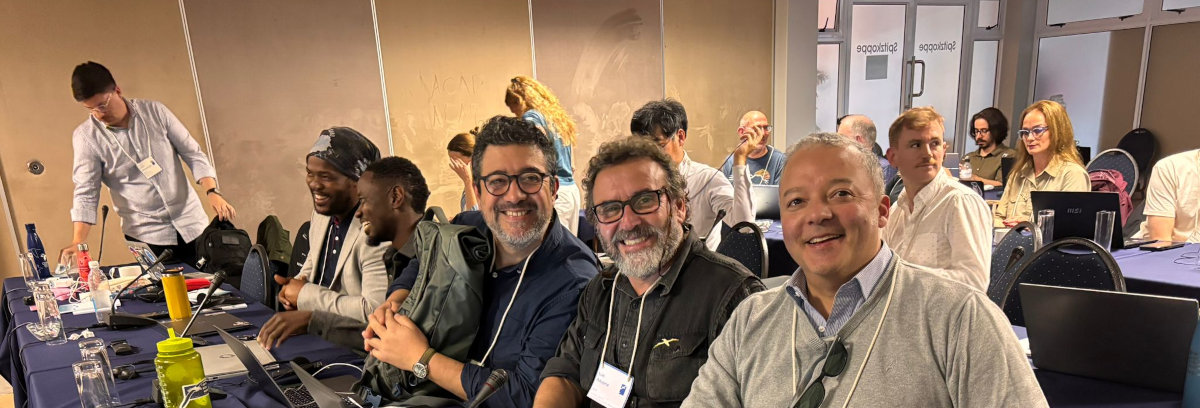
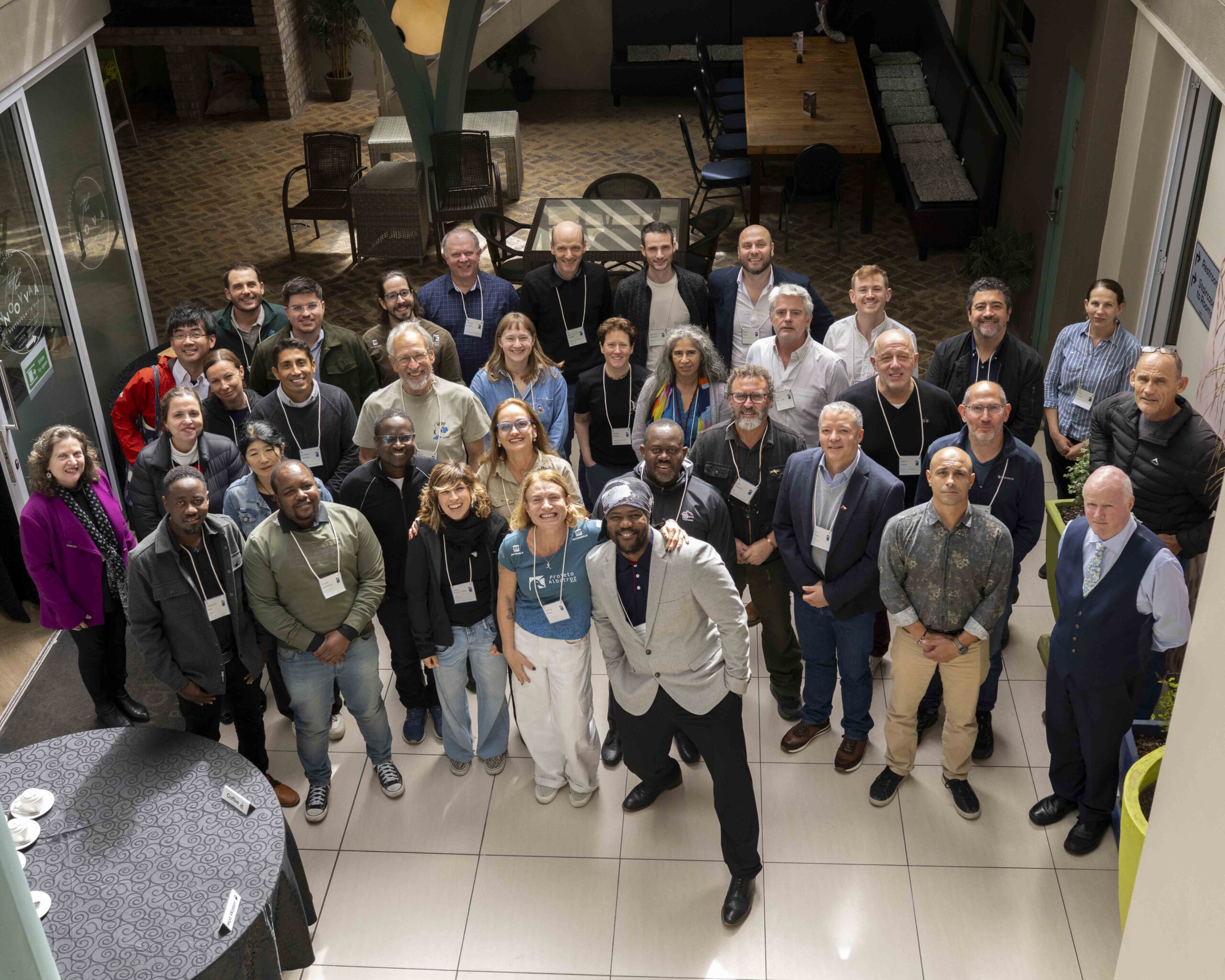 The Ninth Meeting of the Working Group on Population and Conservation Status (PaCSWG9) and the Thirteenth Meeting of the Working Group on Seabird Bycatch (SBWG13) were held in Swakopmund, Namibia, from May 25 to 29, 2026. These events were part of the scientific meetings of the Agreement on the Conservation of Albatrosses and Petrels (ACAP), which concluded with the Fifteenth Meeting of the ACAP Advisory Committee (CA15) from June 1 to 5, 2026.
SBWG13 reviewed a total of 23 working papers and 17 information documents focused on:
- Fisheries Mitigation: Review of best practice guidelines to reduce seabird bycatch in Longline and trawl fisheries.
- Conservation crisis: Update on global threats affecting the 31 species protected by ACAP.
- Health and environment: Monitoring the impact of climate change, marine plastic pollution, and Highly Pathogenic Avian Influenza on colonies.
All reports generated during these days were formally submitted for adoption by the international delegates of the Advisory Committee during the first week of June (CA15).
A Chilean inter-institutional team was comprised of:
- Chilean Focal Point to ACAP: Representatives of the Undersecretariat of Fisheries and Aquaculture (Subpesca), Mr. Luis Cocas, Coordinator of the Biodiversity and Ecosystem Management Unit of the Undersecretariat of Fisheries and Aquaculture.
- ACAP SBWG Member: Semi-senior Researcher Mr. Luis Adasme M. of the Fisheries Development Institute (IFOP).
- Member of the ACAP SBWG: Mr. Cristián G. Suazo, Researcher and Coordinator of the Albatross Task Force (ATF – Chile) of BirdLife International.
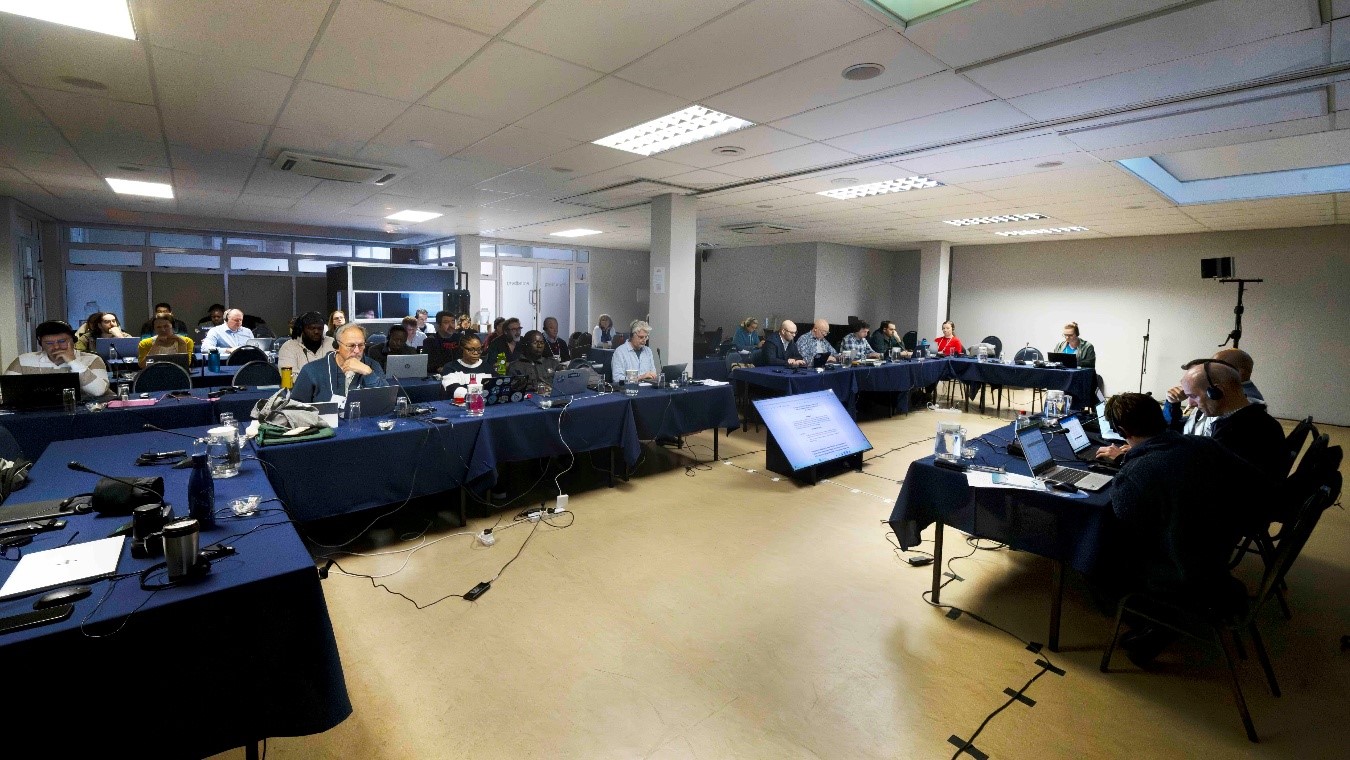 This international meeting aimed to share the results of research and projects, review rules and procedures, plans, and programs, and begin preparations for the meeting of the Advisory Committee of the Agreement on the Conservation of Albatrosses and Petrels (ACAP), which will take place in the same city from June 1st to 5th, 2026.
The meeting was attended by approximately 50 participants, including official members of the Secondary Capture Working Group (SBWG), as well as registered observers from non-member countries of the agreement (Namibia, the United States, and Chinese Taipei). Igor Debski (Convenor), Department of Conservation, New Zealand; Sebastián Jiménez (Vice-Convenor), National Directorate of Aquatic Resources, Uruguay; Sebastián Jiménez; Dimas Gianuca (Vice-Convenor), BirdLife International Marine Programme, based in Brazil; and Megan Tierney, Joint Nature Conservation Committee (JNCC), United Kingdom.
Luis Adasme, a professional from the Fisheries Assessment Department of IFOP and an official member of the SBWG, stated, “We, as the Chilean delegation, are very pleased with the progress achieved, particularly the incorporation of the so-called ‘third-line curtain’ as a mitigation measure recognized and adopted by ACAP for trawl fisheries operating with sounding lines, a structure associated with a high incidence of bycatch. The adoption of this measure by this agreement reflects international recognition of the scientific, technical, and regulatory work carried out by our country to reduce the bycatch of seabirds in trawl fisheries. This measure is now officially integrated into the Agreement’s recommendations for fleets operating with sounding lines, strengthening the tools available for mitigating these interactions.”
The researcher emphasized that this progress demonstrates Chile’s capacity to generate innovative solutions in conjunction with the fishing sector, based on scientific evidence, thus consolidating its contribution to international conservation commitments and the development of sustainable fishing under an ecosystem approach.
Luis Cocas, a professional from the Undersecretariat of Fisheries and ACAP focal point in Chile, highlighted the progress achieved during the 15th Meeting of the Advisory Committee (AC15), noting that “the meeting allowed for the consolidation of the implementation of the agreements adopted by the ACAP Parties, strengthening the conservation of albatrosses and petrels through the updating of measures to reduce incidental catch in different fisheries, the strengthening of cooperation with the Regional Fisheries Management Organizations (RFMOs), and the adoption of actions against emerging threats such as highly pathogenic avian influenza and pollution by plastics and PFAS.”
He also indicated that Chile reported on the progress being made by national institutions in research and conservation, highlighting that “population monitoring data for black-browed and grey-headed albatrosses in the Diego Ramírez Archipelago are being updated, contributing to reducing knowledge gaps identified by ACAP regarding the status of these species.”
Regarding Chile’s participation in the international arena, Cocas emphasized that “our country offered to host the 16th Meeting of the ACAP Advisory Committee (AC16), which would take place in Punta Arenas during August or September 2027.” He added that the proposal was very well received by the members of the Advisory Committee, who appreciated Chile’s willingness to host this important international coordination forum.
Finally, he noted that holding AC16 in Punta Arenas represents an opportunity to strengthen Chile’s leadership in the conservation of Southern Hemisphere seabirds and in promoting measures aimed at reducing the bycatch of albatrosses and petrels in fisheries.
Cristian G. Suazo, representative of the Albatross Task Force (ATF – Chile) of BirdLife International and advisor to the Chilean delegation on albatross and petrel colonies, as well as on evidence-based mitigation measures to reduce the bycatch of seabirds in Chilean national fisheries.
“This agreement is one of the most important opportunities to share experiences in research and conservation efforts to ensure the survival and future of critically endangered seabird populations, such as albatrosses and petrels. At BirdLife International, we are delighted that our experimental work on netting systems for trawl fisheries has been recognized and supported by Subpesca, IFOP, and the fishing sector. This support will allow us to follow up on the experimental evidence we presented at the SBWG meeting in Lima in 2024.
Generating local evidence and working collaboratively to improve minimum standards—including the crucial participation of fishing fleets—will help ensure the effectiveness and compliance of measures. This is, and will continue to be, key to achieving our collective mission: guaranteeing the survival of albatrosses and petrels.”