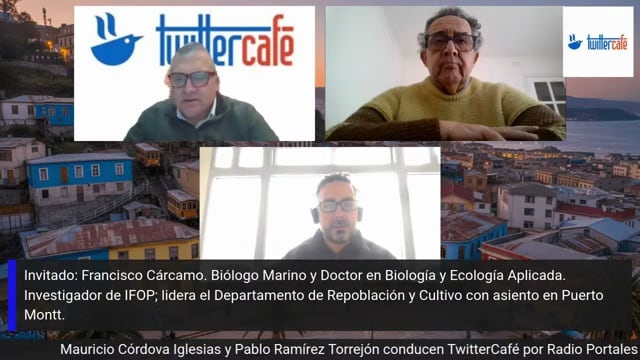
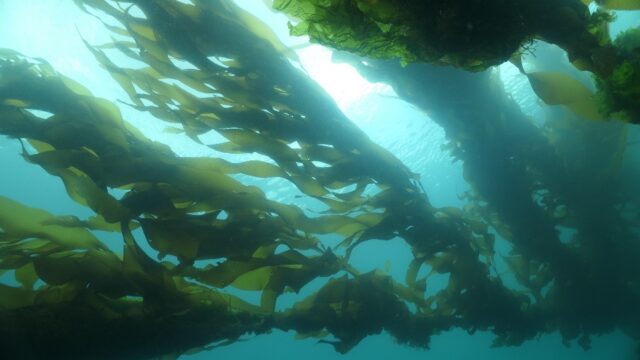
In this interview, marine biologist and researcher Francisco Cárcamo, from the Fisheries Development Institute (IFOP), discussed the development and potential of small-scale aquaculture (SSA) in Chile. Cárcamo explained how this activity represents a sustainable transition for artisanal fishers in the face of scarce marine resources, highlighting key species such as mussels, oysters, and trout, as well as innovative initiatives in seaweed cultivation, such as cochayuyo (seaweed). He also emphasized the low environmental impact of this practice and the importance...
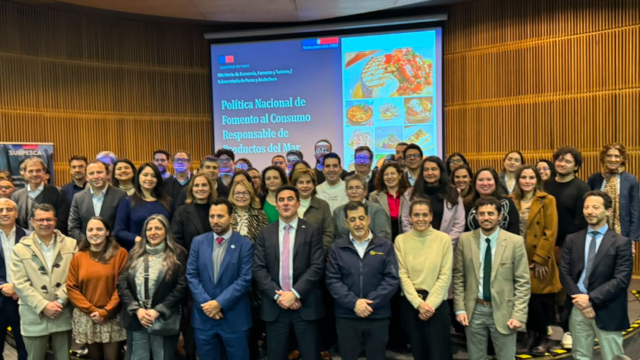
The Undersecretariat of Fisheries and Aquaculture invited the Fisheries Development Institute (IFOP) to collaborate on the development of the future National Policy for Promoting Responsible Seafood Consumption, specifically requesting the participation of researchers from the Department of Economics and Statistics (DEE), Gonzalo Olivares and Johanna Rojas, in recognition of their experience in estimating national seafood consumption and developing indicators for monitoring domestic consumption. During the initial stages of the collaboration, both professionals contributed to the analysis and interpretation of...
Organized by the IFOP Restocking and Aquaculture Department The prestigious scientific journal Fisheries Research has officially published its new special issue entitled “Aquaculture-Aided Enhancement for Conservation and Sustainable Fisheries.” This milestone represents the culmination of the work developed within the framework of the 7th International Symposium on Stock Improvement and Sea Ranching (ISSESR7), held in November 2024 in Puerto Varas. This scientific and public event—marked by the commemorations of the 60th anniversary of the Fisheries Development Institute (IFOP)—made history...
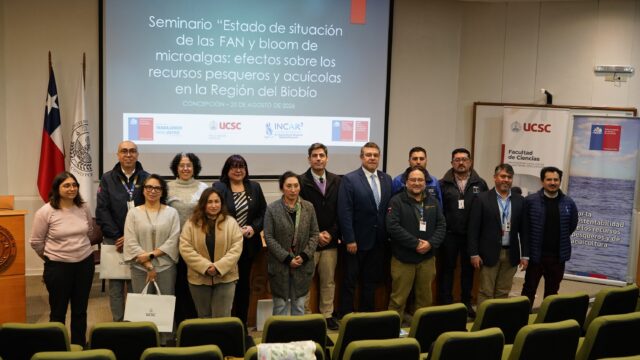
On Thursday, August 20, at the Catholic University of the Most Holy Conception, the seminar “Status of Harmful Algal Blooms and Bioalgal Blooms: Effects on Fisheries and Aquaculture Resources in the Biobío Region” was held. The event was organized by the Undersecretariat of Fisheries and Aquaculture. Héctor Tardón Sepúlveda, a researcher at CREAN (Center for the Study of Harmful Algae) of the Fisheries Development Institute (IFOP), who was one of the presenters, stated that the event served to publicize...
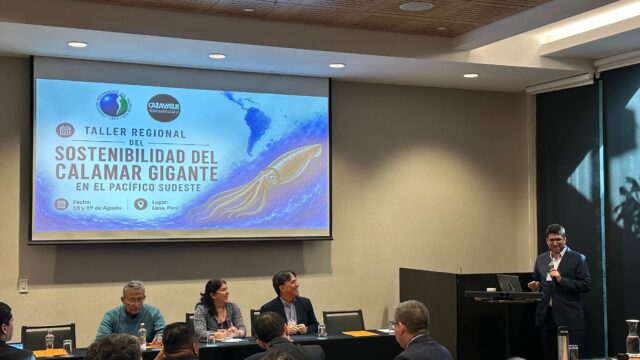
“On August 18 and 19, the Regional Workshop on Giant Squid Sustainability in the Southeast Pacific was held in Peru. It was organized by the Permanent Commission for the South Pacific (CPPS) and the Committee for the Sustainable Management of the Giant Squid of the South Pacific (CALAMASUR). The workshop aimed to strengthen the regional exchange of scientific knowledge, management experiences, and cooperation mechanisms related to the giant squid in the Southeast Pacific, promoting technical dialogue among authorities, regional...
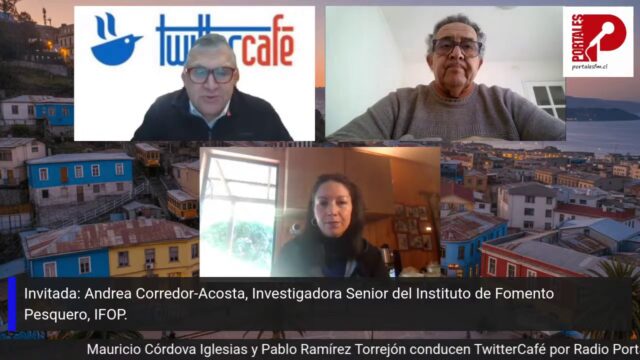
During this interview, senior researcher Andrea Corredor Acosta explained the use of cutting-edge hyperspectral satellite technology for ocean observation and phytoplankton studies, emphasizing the importance of complementing daily high-resolution optical images with direct in-situ measurements at sea. She also addressed the impact of continental and oceanic microplastic dispersion through ocean current monitoring, as well as the assessment of changes in temperature and salinity in the waters off southern Chile in response to global warming and glacial melt.
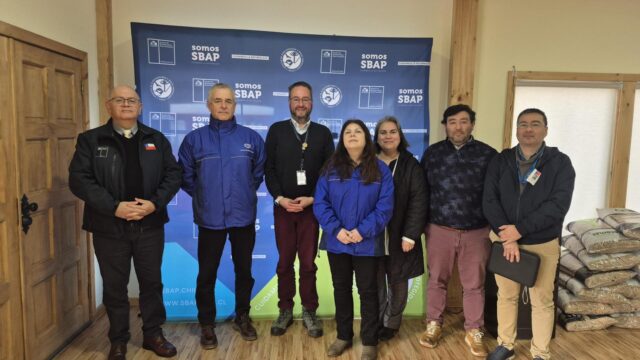
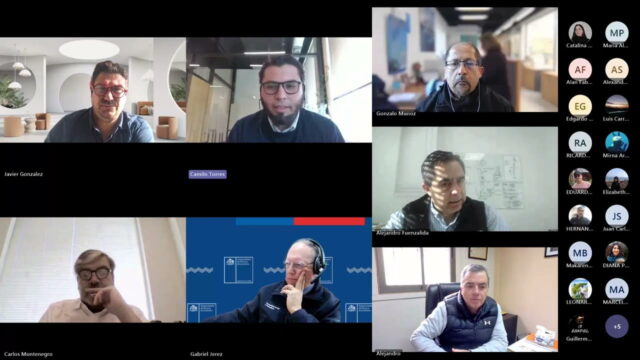
Authorities established priorities focused on containing the spread of invasive species and leveraging funding for the sustainable management of the artisanal puye fishery in the Pitipalena-Añihué Marine Protected Area. The Biodiversity and Protected Areas Service (SERNAPESCA) initiated a new phase of institutional and scientific coordination with the Fisheries Development Institute (IFOP) and the Regional Directorate of Fisheries and Aquaculture. The meeting, held in Coyhaique, allowed for the establishment of common priorities to address threats to local marine ecosystems and...
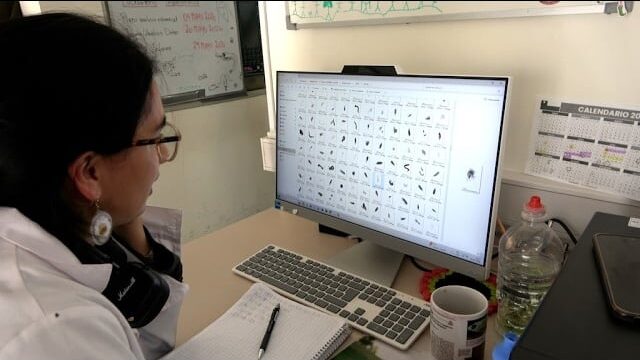
The Zooplankton Laboratory of the Fisheries Development Institute (IFOP) is leading an ambitious project to digitize and analyze biological data from over 62 years of marine samples. This research is crucial for understanding ocean evolution and ensuring the sustainability of fisheries resources in the country.
To mark the first anniversary of the establishment of IFOP’s Department of Economics and Statistics (DEE), and with the aim of bringing the DEE’s work closer to the entire community, a series of presentations by the researchers and the DEE’s leadership team were held during May and June 2026. It is worth noting that professionals from various IFOP regions and units participated in the different sessions. In addition, professionals from the Undersecretariat of Fisheries and Aquaculture, the National Fisheries...
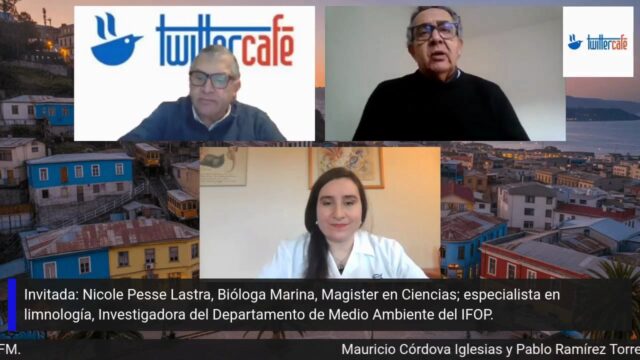
During her appearance on the TwitterCafé program, IFOP researcher Nicole Pesse Lastra detailed the environmental studies the institution conducts in the southern macrozone, emphasizing the fundamental role of science in protecting lake ecosystems and the constant monitoring of the impact of aquaculture on freshwater bodies.
Researchers from the Fisheries Development Institute participated in a new edition of the main national scientific meeting dedicated to the study of the oceans, sharing research results linked to marine resources, ecosystems and the challenges for their management and conservation. Between July 27 and 30, the XLV Congress of Marine Sciences took place at the University of Concepción, a meeting that brought together researchers, students, professionals and representatives of public and private institutions linked to the knowledge and study...
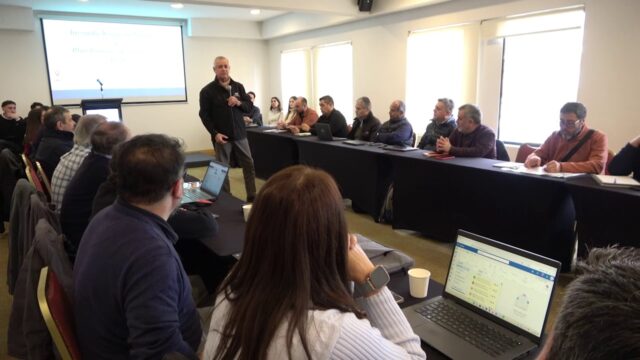
On Tuesday, August 11, 2026, the National Working Session of the Fisheries Development Institute (IFOP) began at the Marina del Rey Hotel in Viña del Mar. This strategic meeting brought together representatives, regional directors, managers, and union leaders from across the country to strengthen institutional planning and align their work plans. The session was led by fisheries engineer Luis Parot, recently appointed by the government to serve as executive director for a second term. He emphasized the importance of...
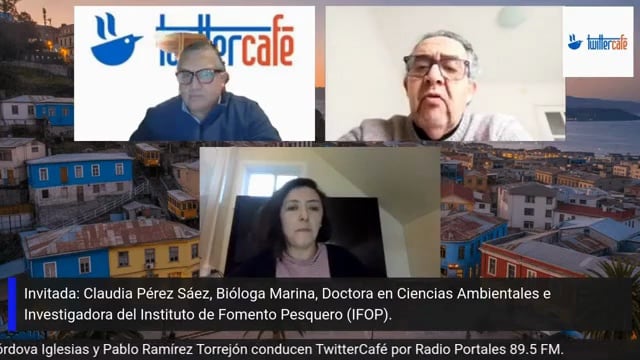
The conversation focused on the proliferation of cyanobacteria in freshwater bodies in Chile. Claudia explained that limnology is the field of study for these areas and detailed how increased nutrients from human activities and climate change intensify these blooms. As an expert, Claudia warned about the health risks posed by the toxins they produce, mentioning the serious impacts seen in places like Lake Bichuquén and Lake Villarrica. She emphasized that the main scientific and public policy challenge lies in...
The incorporation of electronic monitoring (EM) systems based on video cameras aboard fishing vessels has proven to be an effective tool for strengthening the oversight of fishing activities. However, its potential extends beyond the regulatory sphere, offering important applications for scientific research. Through image analysis, it is possible to identify caught species, record discards, and document the progress of fishing operations, providing objective and traceable evidence of activities carried out at sea. In this context, electronic monitoring represents a...
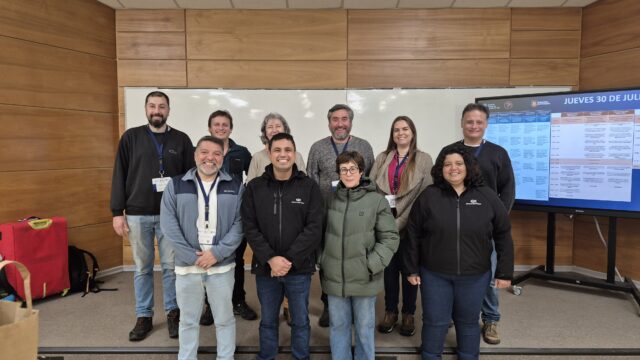
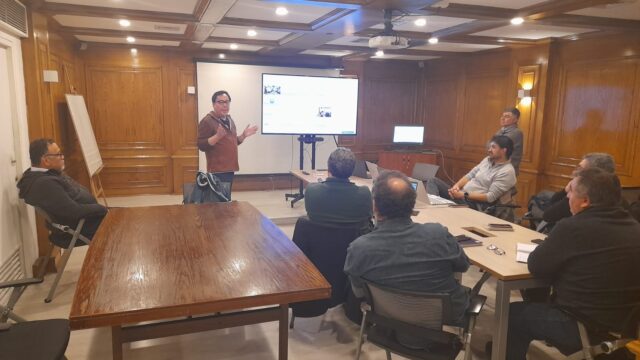
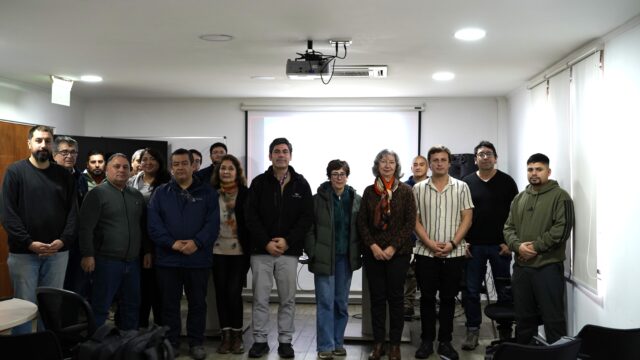
On Friday, July 31, a comprehensive internal training session on fishing and aquaculture topics was held at the Biobío Regional Directorate. This session took advantage of the participation of colleagues from various regions in the XLV Congress of Marine Sciences, which this year was organized by the Chilean Society of Marine Sciences, the University of Concepción, and the Faculty of Natural and Oceanographic Sciences of that university. Attendees from the region included scientific observers, researchers, field coordinators, technologists, and...