

21 August 2026
Authorities established priorities focused on containing the spread of invasive species and leveraging funding for the sustainable management of the artisanal puye fishery in the Pitipalena-Añihué Marine Protected Area.
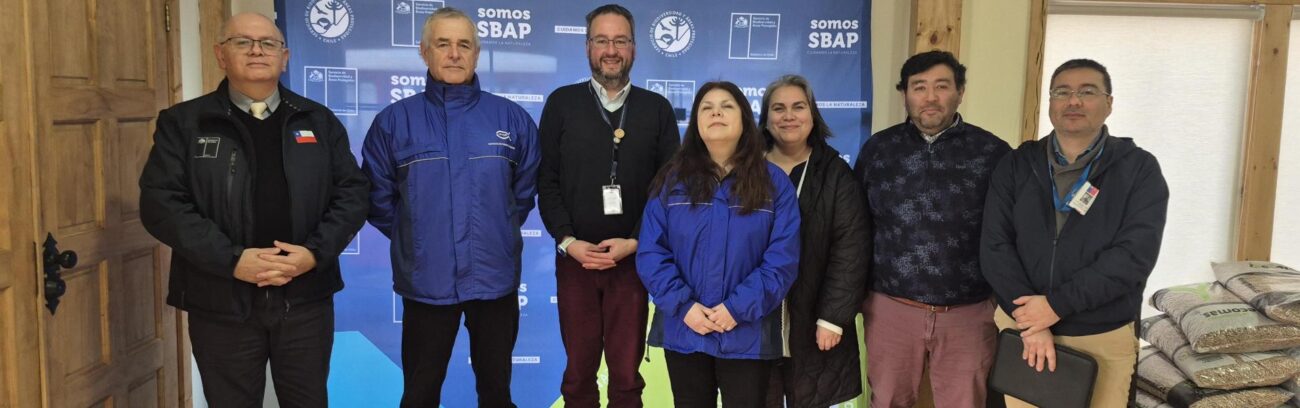
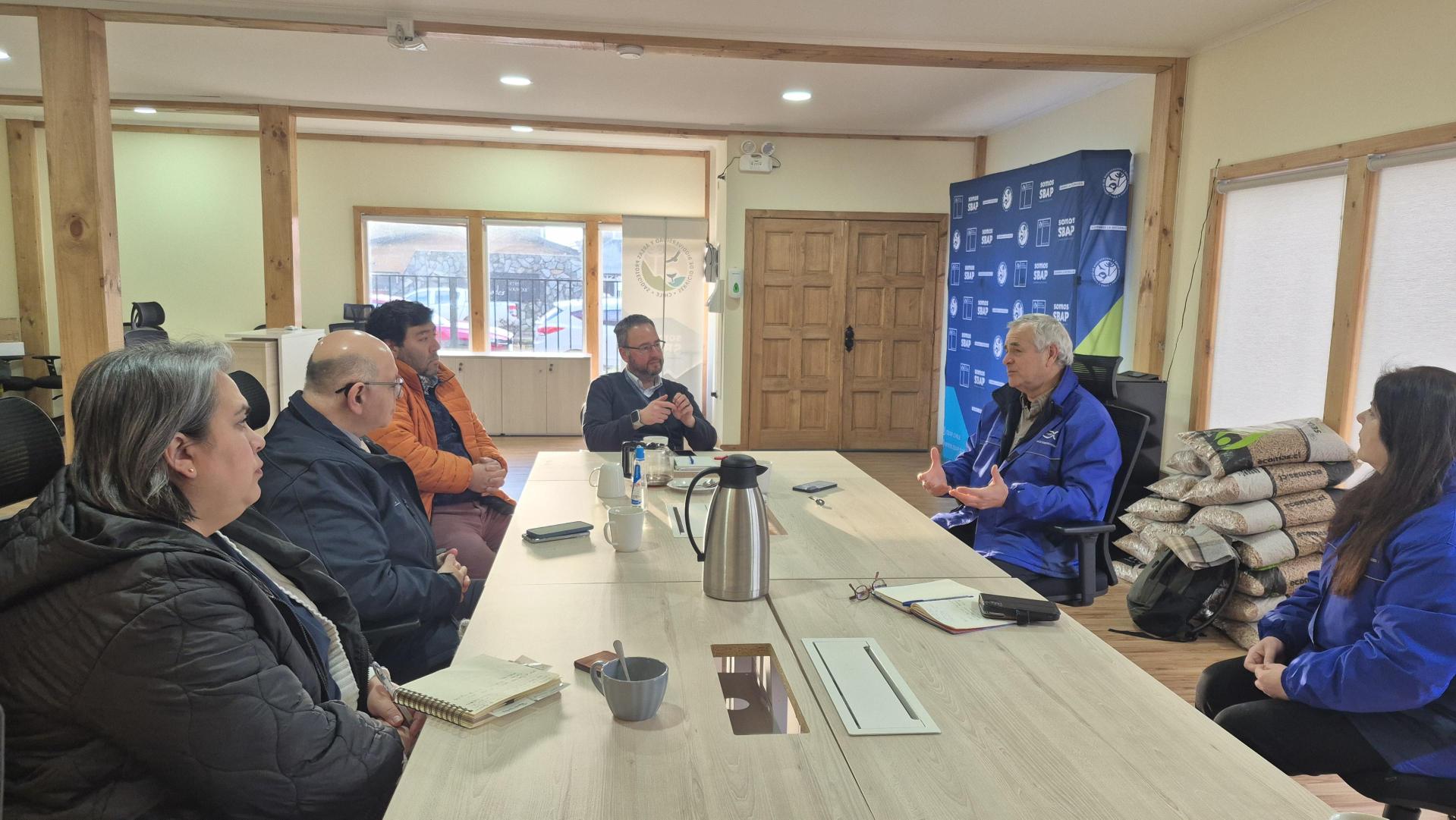 The Biodiversity and Protected Areas Service (SERNAPESCA) initiated a new phase of institutional and scientific coordination with the Fisheries Development Institute (IFOP) and the Regional Directorate of Fisheries and Aquaculture. The meeting, held in Coyhaique, allowed for the establishment of common priorities to address threats to local marine ecosystems and coordinate the management of small-scale fisheries operating within conservation areas.
The meeting brought together the regional director of SERNAPESCA, Claudio Aguirre; the national executive director of IFOP, Luis Parot; and the regional director of Fisheries for Aysén, Luis Campos. Also participating in the working group were the regional director of IFOP, Alejandra Lafon, along with the technical teams responsible for the management of marine areas and the protection of biodiversity in the region.
During the meeting, the specialists analyzed the impact of invasive alien species on the region’s coastal ecosystems. The discussion focused on the spread of the anemone Metridium senile, a threat to marine biodiversity that has already impacted the productive sector in other localities. The authorities addressed the need to promote collaborative actions between academia, research centers, and public services to contain its spread.
Another key focus of the meeting was the analysis of the small-scale puye fishery in the Pitipalena-Añihué Multiple Use Conservation Area (ACMU).
IFOP, with funding from the GEF Marine-Coastal Governance project, previously prepared the technical reports that allowed for the recognition of the artisanal puye fishery as a defining element of this area. With the establishment of the new environmental institutions, the SBAP assumed leadership of this process, which was previously under the Ministry of the Environment, and now leads the management of the fishery within the ACMU.
At this inter-institutional meeting, guidelines were established for working together on future projects related to this fishery and the conservation of marine ecosystems, with the aim of securing funding.
“We hope that this opens up an important path for collaborative work,” stated Luis Parot, IFOP’s National Executive Director, praising the willingness to integrate scientific knowledge into the conservation decisions led by the institution in the area.
“Protecting our biodiversity requires decisions based on scientific evidence. The coordinated technical work with IFOP and Subpesca will allow us to safeguard the marine heritage of the Aysén Region and the Pitipalena-Añihué Marine Protected Area, ensuring that ecosystem conservation and the social development of coastal communities progress in tandem,” stated Claudio Aguirre Ramírez, Regional Director of SBAP in Aysén.
To share this management model with the public, the Regional Directorate extended a formal invitation to participating institutions to join an upcoming edition of the “SBAP Encounters” series. The discussion will aim to highlight the history of community work in the Pitipalena-Añihué Marine Protected Area and the progress made in consolidating small-scale artisanal fishing within a marine protection category.
Source of article and photos