
6 November 2026
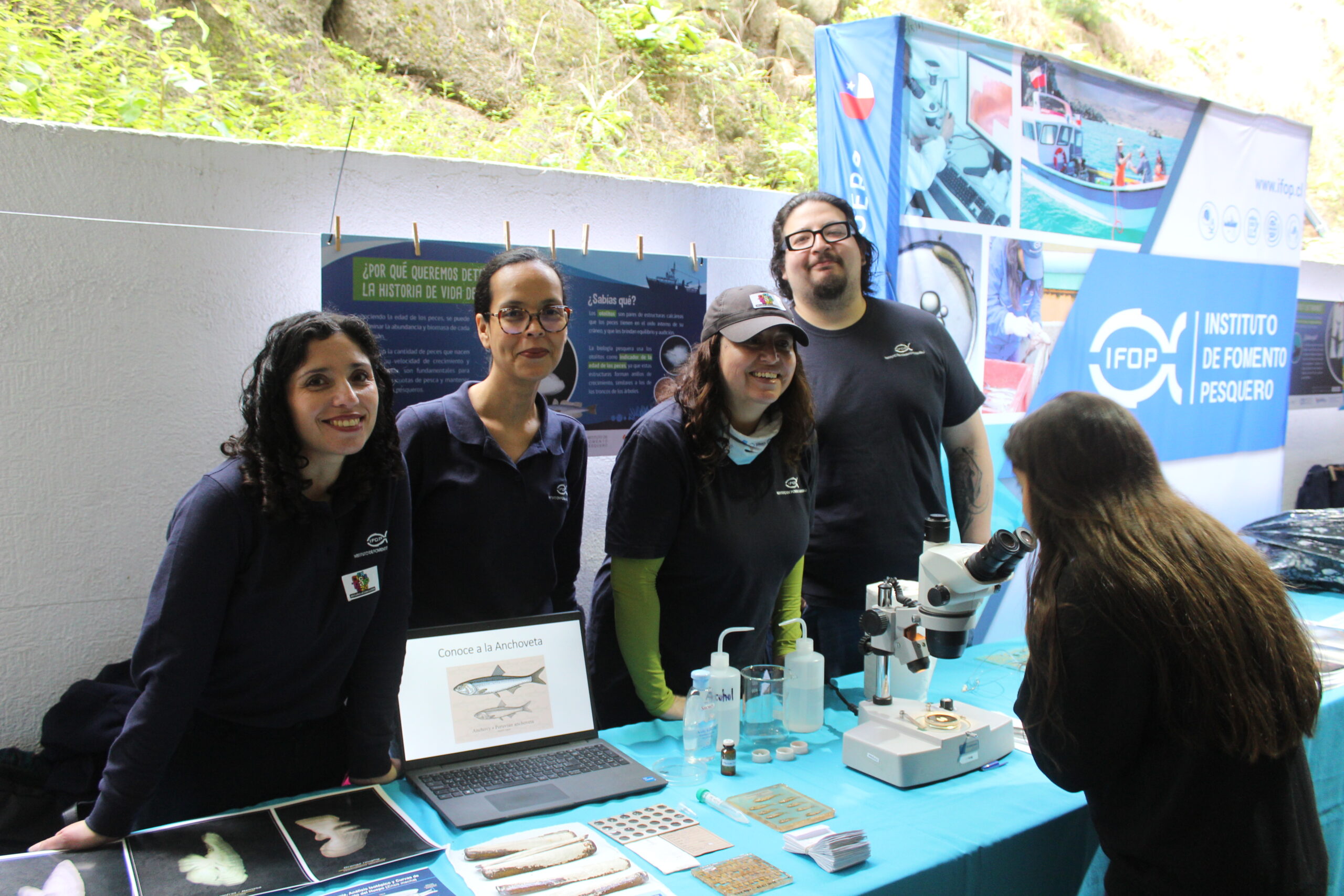 Approximately 2,500 students—ranging from the first year of primary school to the final year of secondary school—participated across the two institutions.
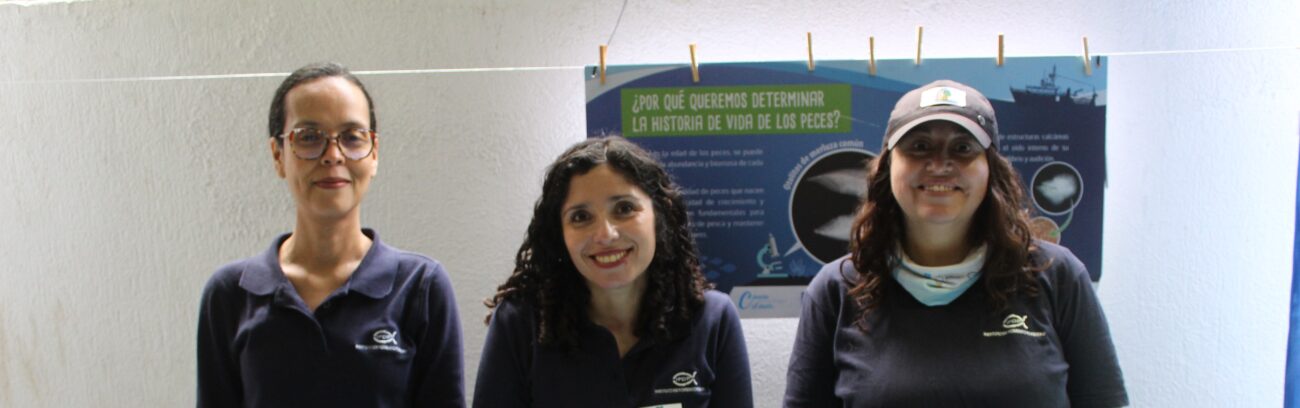
Throughout October, school science fairs were held at the German School and the Bicentenario school. A team from IFOP Valparaíso attended at the invitation of the schools’ administrations, with the goal of bringing science closer to children and young people.
Regarding the objective of the fair, the German School noted: “To bring science closer to students through interactive and participatory experiences, while fostering curiosity, scientific thinking, and an interest in research and innovation.”
“The DSV Science Day 2026 was a highly enriching experience for our educational community. It allowed us to bring science to students in a practical way, spark their curiosity, and connect classroom learning with current scientific research and developments. We extend our special thanks to the institutions, universities, research centers, and exhibitors who made this event possible.”
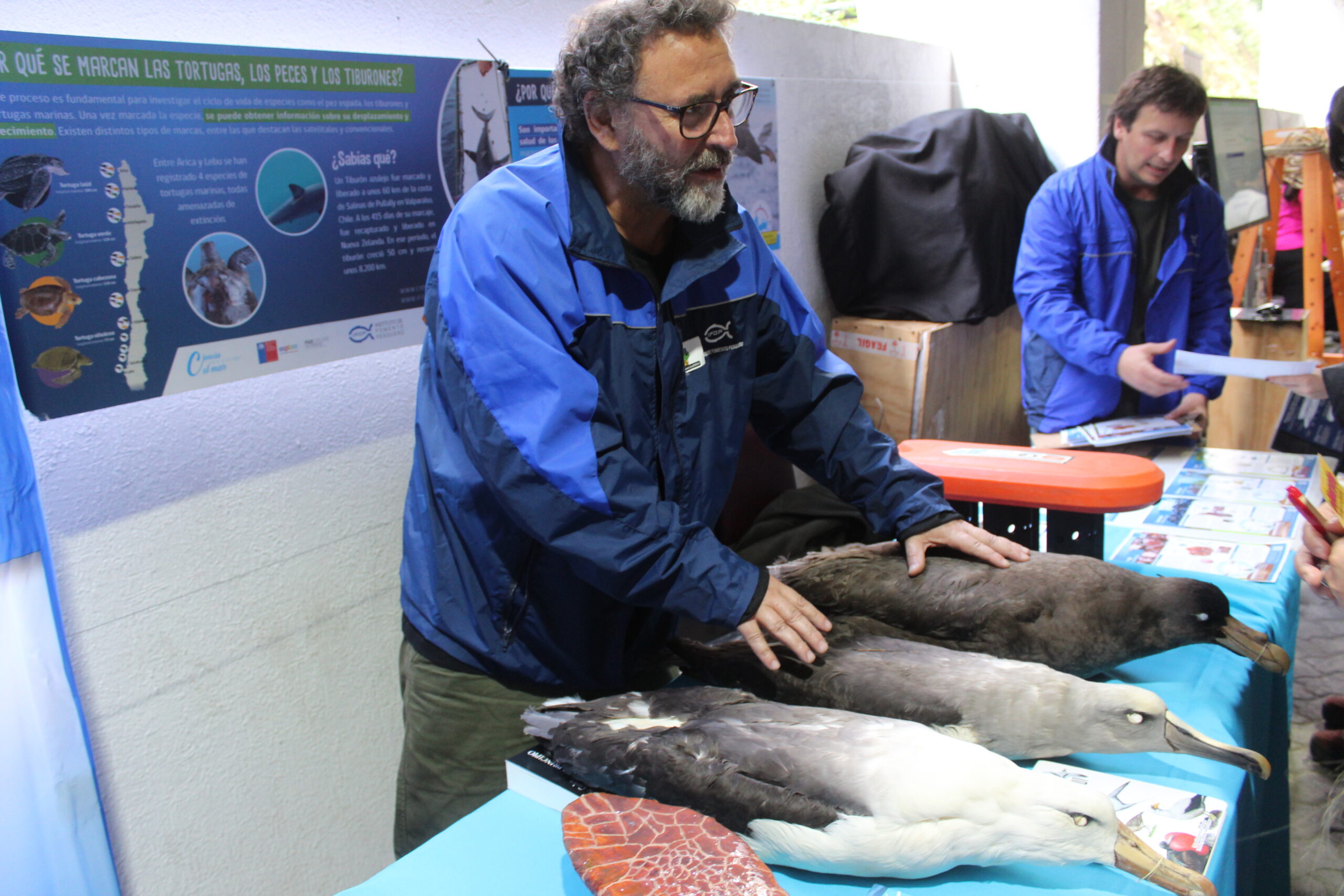 Luis Adasme, a researcher at IFOP, commented on the activity: “It was a very rewarding experience—not only because we were able to share our work, but, above all, because of the enthusiasm and curiosity shown by the students and teachers. Without a doubt, one of the greatest gifts of these types of activities is seeing that we can spark questions, generate interest, and bring science closer to new generations in an accessible and engaging way.
At our IFOP booth, we displayed real seabirds—such as albatrosses and petrels—preserved via taxidermy. These specimens came from instances of mortality associated with fishing activities. We also showcased devices designed to mitigate bycatch. Through this, we aimed to introduce children to the conservation of marine biodiversity and the importance of reducing bycatch during fishing operations.
It is heartening to know that the booth remained a topic of conversation among the children and their families; it means we truly managed to get our message across. It was also a pleasure to connect with colleagues and other exhibitors in such an inspiring environment. I hope we can repeat the experience next year and continue bringing science, the ocean, and our biodiversity closer to the next generation.”
Regarding the IFOP exhibit:
“The Department of Oceanography presented and explained the function of various oceanographic and meteorological instruments used by the Institute for its monitoring and research activities—including weather stations, plankton nets, Niskin bottles, and CTD probes. The exhibit highlighted the importance of this equipment for measuring variables such as conductivity, temperature, dissolved oxygen, and chlorophyll, as well as for collecting water samples and planktonic organisms at various depths. Students were able to interact with the instruments in a hands-on, educational way, preparing and operating the equipment themselves.
Additionally, the plankton laboratory—also part of the Department of Oceanography—showcased samples of ichthyoplankton (fish eggs and larvae) from two key pelagic resources: the Peruvian anchoveta and the Spanish sardine. They also displayed samples of zooplankton—organisms that play a vital role in marine food webs.” …marine trophic webs, which serve as the primary food source for fish and marine mammals. These samples sparked great curiosity among the attendees, who were able to observe the eggs and larvae of these resources, as well as zooplankton, under microscopes.
The Management Areas Section engaged with participants by showing animated videos in which the larvae of species such as the Chilean abalone (*loco*), sea urchin, *macha* clam, limpets, and crabs explain their own life cycles. Informational fact sheets were also distributed, covering invertebrates and algae commonly harvested within AMERB (Management and Exploitation Areas for Benthic Resources). Additionally, the section presented videos of the kelp forests—common along the Chilean coast—and the fisheries associated with them. This provided an opportunity to reflect with the participants on how management criteria shift based on the specific characteristics of each species.
The Age and Growth Section interacted with students, providing an overview of their daily work, the various methods used to prepare samples, and the process of reading growth rings (micro- and macro-increments). They also shared insights from recent studies on octopus, jumbo flying squid (*jibia*), and the *huepo* (razor clam). The students were highly interested and engaged, especially when given the chance to examine some of the species we brought using microscopes and magnifying lenses.
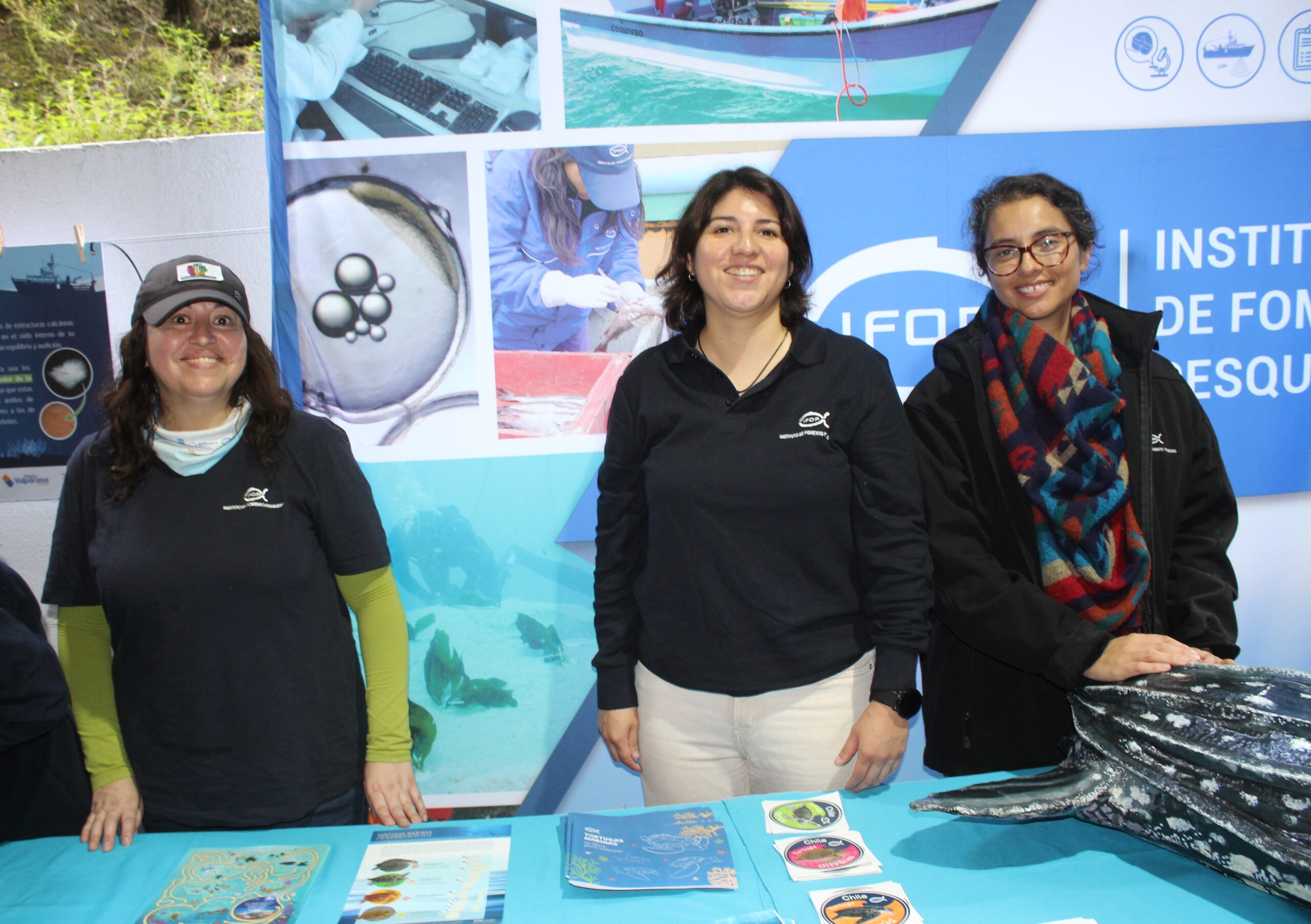 From the Highly Migratory Resources Monitoring Project: “During the fair, we spoke with the public about fisheries targeting highly migratory resources, covering the operational dynamics of the swordfish driftnet fleet and the longline fleets that target pelagic sharks and dolphinfish (mahi-mahi). We also explained the concept of bycatch and how these fisheries interact with protected species, such as sea turtles—highlighting the importance of understanding their taxonomy, ecology, and distribution in order to gain insight into these interactions and contribute to their conservation. Furthermore, we presented the work of the Highly Migratory Resources Monitoring Project at the Fisheries Development Institute (IFOP), which focuses on generating scientific data to support fisheries management and the conservation of these species and their ecosystems. In this context, we discussed IFOP’s role as the CITES Scientific Authority for aquatic species, explaining the scope of the Convention on International Trade in Endangered Species of Wild Fauna and Flora and its importance in regulating the international trade of specimens listed in its appendices. Finally, we showcased the shark and sea turtle tagging and recapture initiatives carried out under the project, explaining the procedures and scientific objectives involved. We also displayed examples of the tags used, illustrating how these tools enable the study of the movements, survival, and connectivity of these species in the Southeast Pacific.”