

27 April 2026
 Chilean mussel (Mytilus chilensis) aquaculture is one of the main productive activities in the Los Lagos Region, with a supply chain that contributes significantly to regional economic development. However, it faces persistent challenges, such as variability in seed collection and competition for substrate, key factors for production efficiency.
In this context, fouling—the colonization of structures by organisms other than the target species—is a growing concern for the sector. The correct installation of collectors and the optimal timing of collection are crucial to ensuring successful seed settlement, especially under conditions of high biological competition.
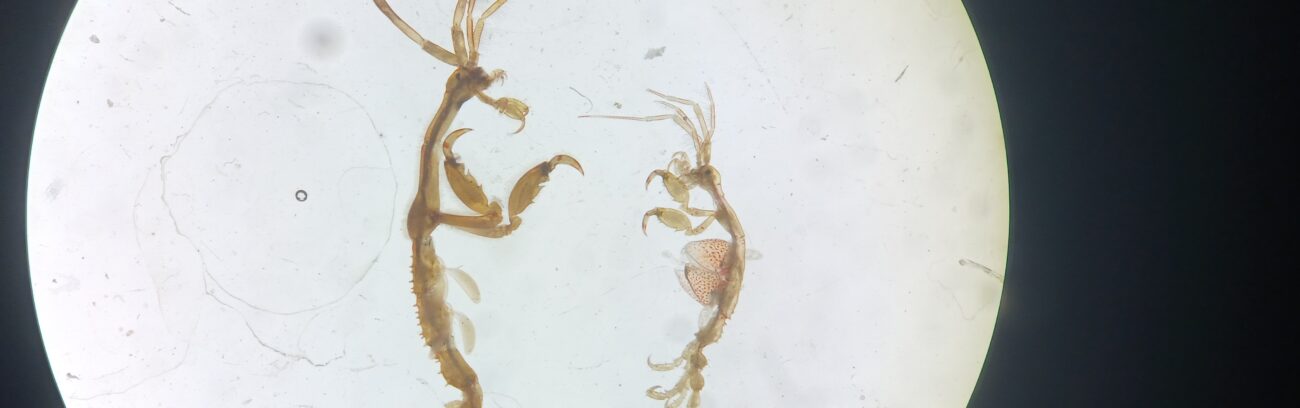
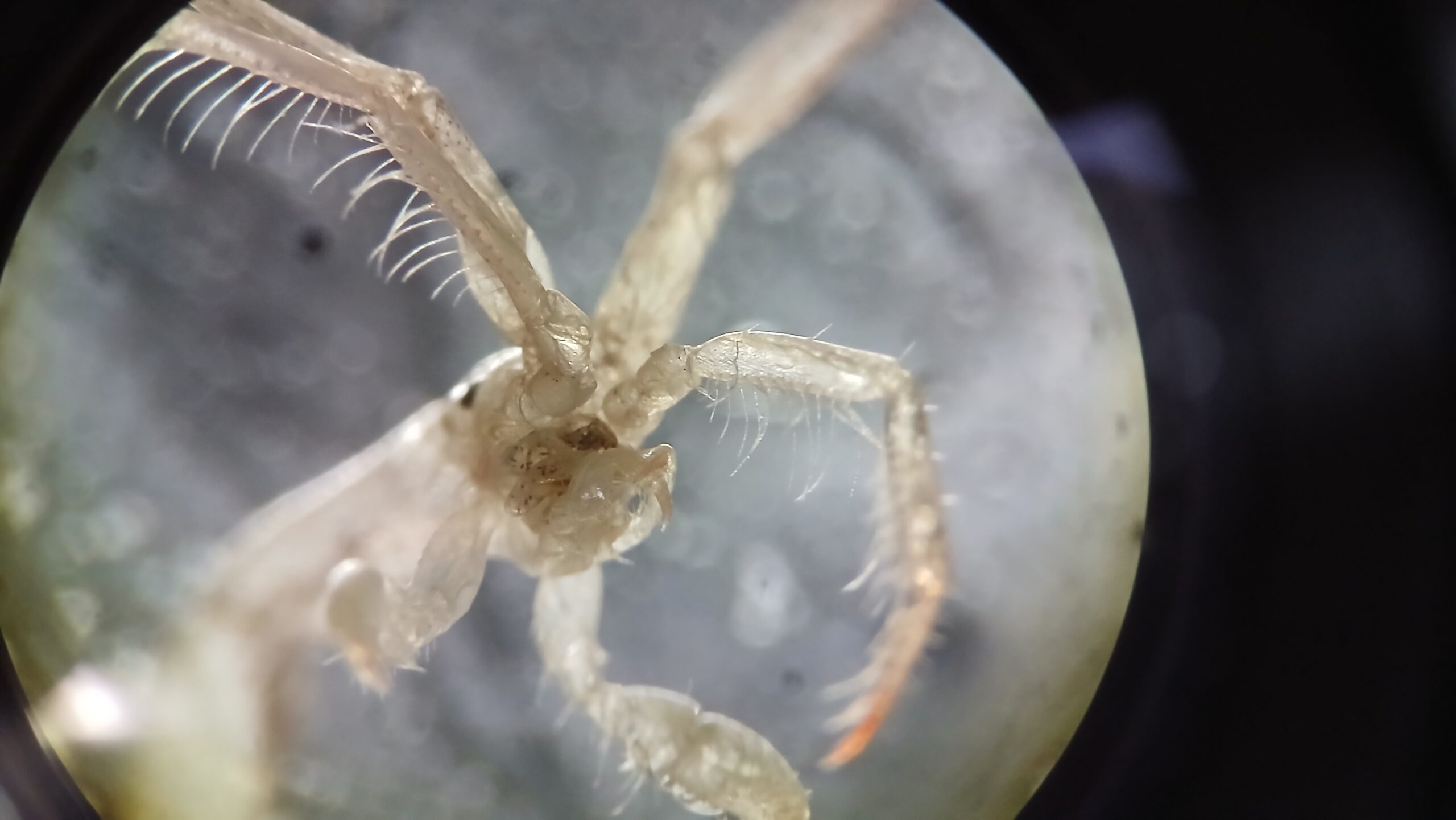
During the 2024–2025 and 2025–2026 seasons, mussel farmers in the region began reporting unusual abundances of a small crustacean known as the “skeleton shrimp” or “sea prawns,” belonging to the caprellid amphipod group. Its recurring presence sparked interest from both the production sector and the scientific community.
In mid-February 2026, researchers from the Mussel Larval Monitoring Program of the Environmental Department of the Aquaculture Research Division at IFOP Puerto Montt received samples from collectors in the Reloncaví Sound. These samples were analyzed by researcher Macarena Herrera to determine the diversity and abundance of mussels and epibiont organisms, with a particular focus on identifying the caprellid.
The morphological analysis conducted by Sandra Silva for the Study on Monitoring the Environmental Performance of Aquaculture in Chile and its Effect on the Ecosystems of its Sites, by the Aquaculture Research Division of IFOP (Chilean Fisheries Development Institute), determined that the specimens belong to Caprella mutica, a species internationally recognized for its colonization capacity.
To confirm this result, with the support of biochemist Dennis Cisternas from the Department of Hydrobiological Health, specimens were selected and sent to the Austral OMICS laboratory at the Austral University of Chile, where their identification was molecularly validated using COI and 18S genetic markers, following methodologies previously described in the literature.
This record raises new questions about the dispersal dynamics of species associated with fouling and their potential effects on mussel seed collection, highlighting the need for more in-depth monitoring and management strategies for the national mussel farming industry.
Press realated links: