
24 April 2026
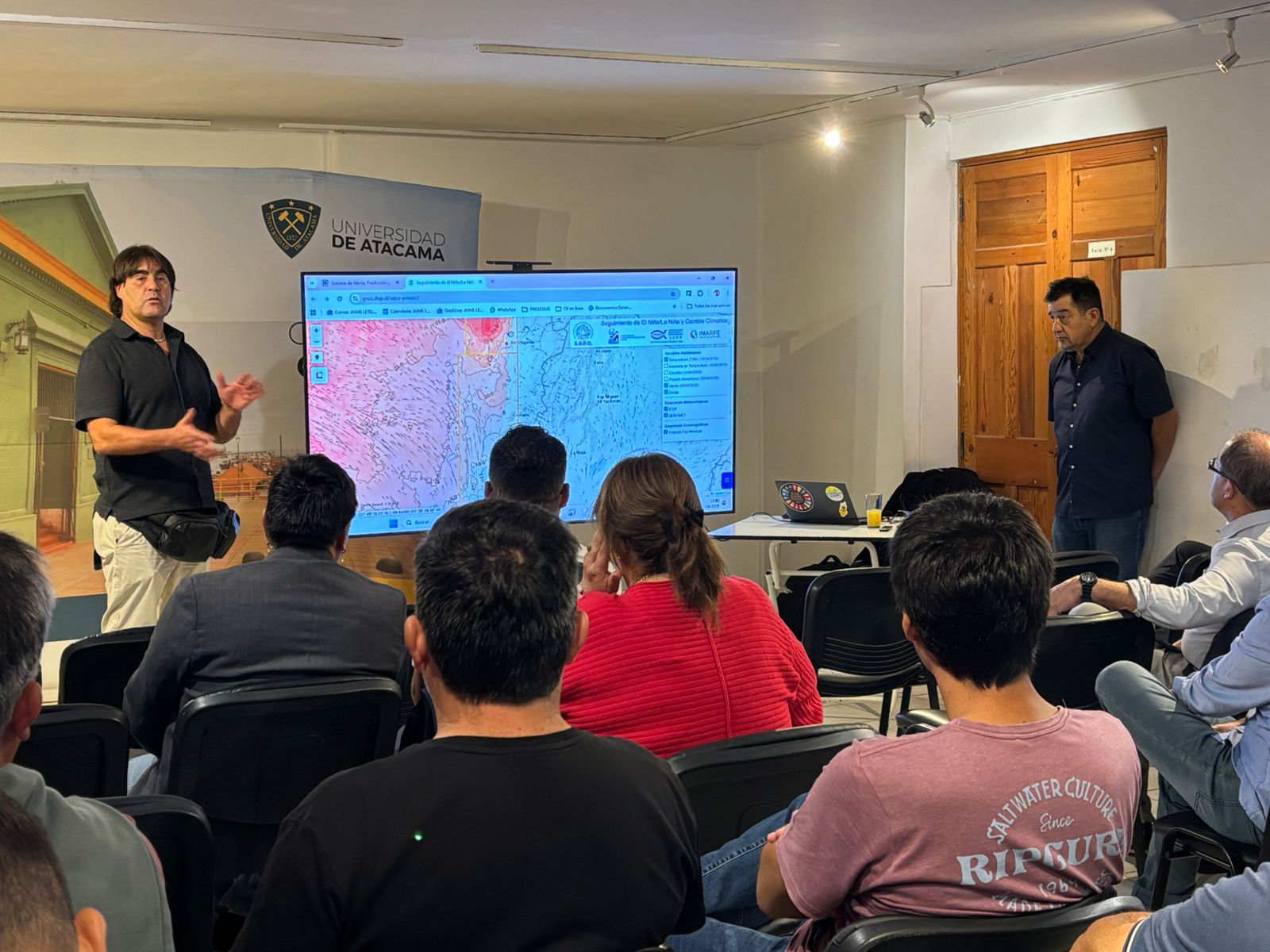 The final workshop of the project “Incorporation of Anchovy Monitoring Associated with the Artisanal Fishing Fleet of the Atacama Region,” funded for the third year by the Atacama Regional Government, was held at the University of Atacama’s Cultural Development Center in the city of Caldera. This project facilitated a research cruise to assess the abundance and distribution of anchovy in the Atacama Region, complementing the Recruitment and Spawning Stock cruises, which together provide the community with information on the status and condition of the resource.
This meeting with the community brought together more than forty artisanal fishers, vessel owners, and the Regional Governor, Miguel Vargas Correa. Professionals from the Sernapesca (National Fisheries Service) and IFOP also attended.
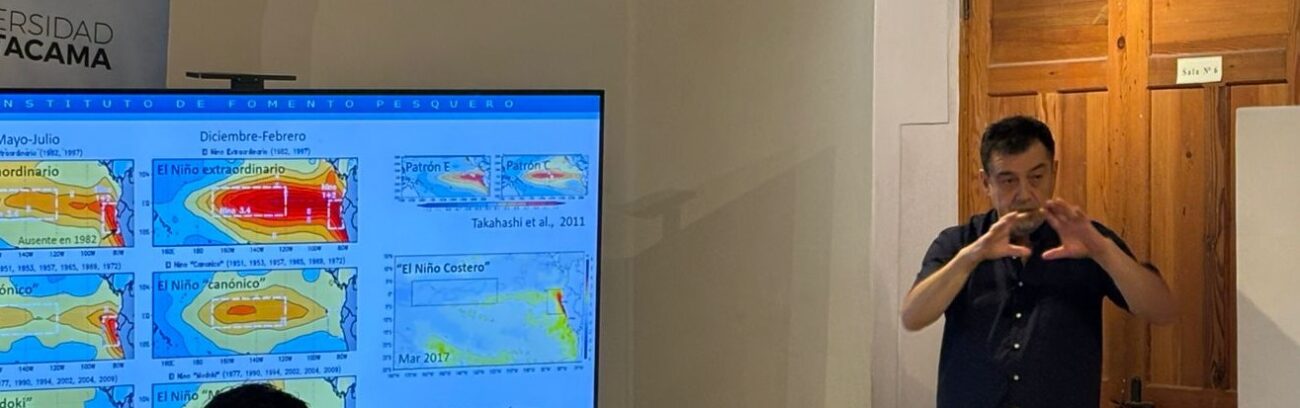
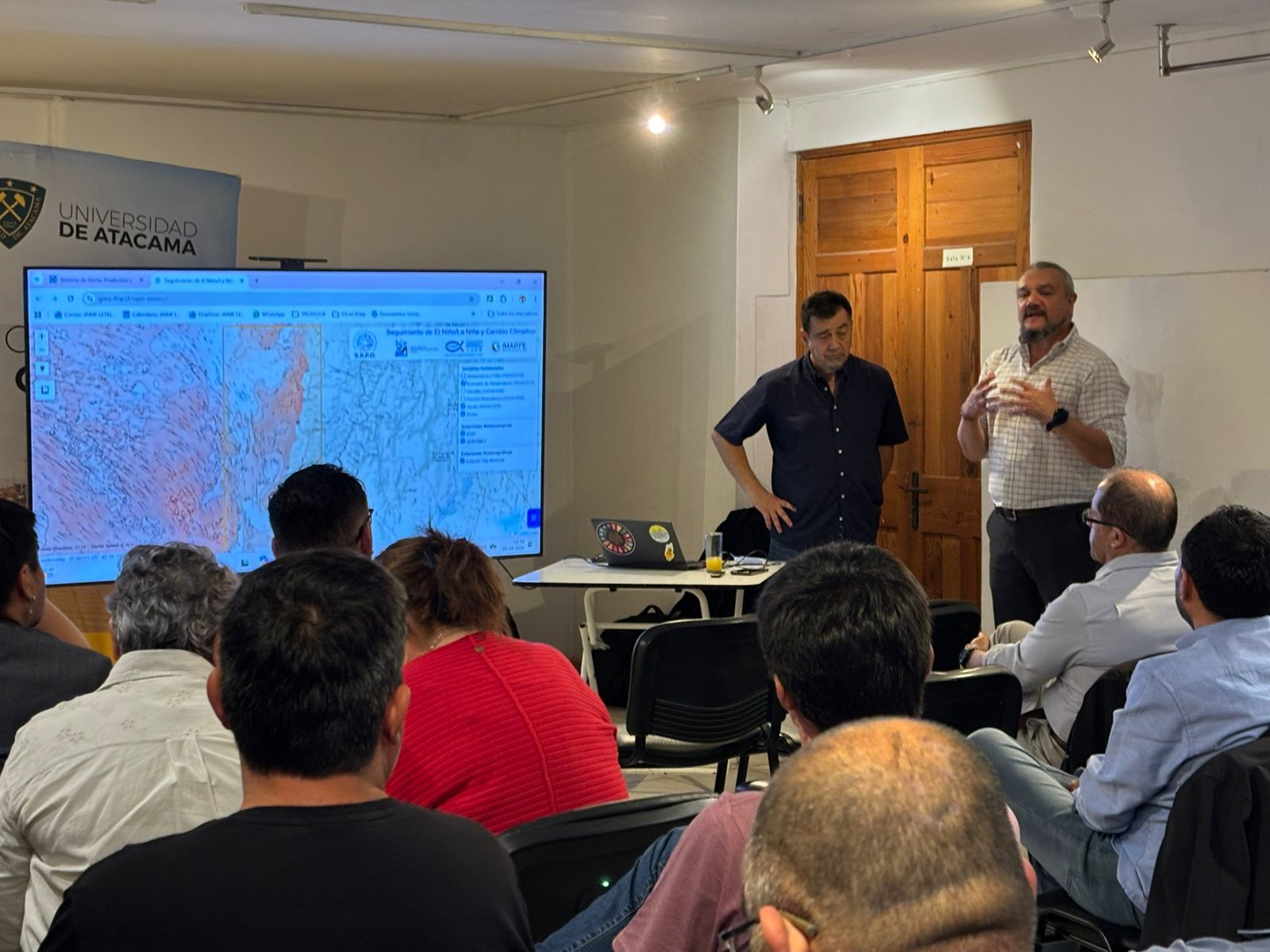 The project’s principal investigator, MSc. Francisco Leiva presented the main results of the research cruise, which included the scientific detection of a significant biomass of juvenile anchovies in the surface layers during the first months of 2026, and the increased depth of the adult population. Dr. Jaime Letelier, head of the Oceanography and Environment Department, explained that this increase in depth is due to the expansion of the anchovy’s habitat as a result of the influence of the Coastal El Niño phenomenon developing along the South American coast. He also demonstrated IFOP’s Monitoring System (SAPO). Meanwhile, MSc Esteban Molina, head of the Direct Assessments Department, answered questions from attendees about the status of pelagic resources such as jack mackerel.
For his part, the Acting Regional Director of IFOP for Atacama-Coquimbo, Mg. Gonzalo Muñoz noted that the workshop was very well attended and characterized by a broad and fluid dialogue between anchovy fishery users, sector authorities, and the regional governor, Miguel Vargas Correa. Researchers from the institute demonstrated their extensive experience in the field, answering a significant number of questions, including several from the governor regarding his interest in the region’s fisheries development.
The researchers also took the opportunity to visit the IFOP base in Caldera, where they were able to examine samples of Spanish sardine caught in the area.
Press related links: