

8 June 2026
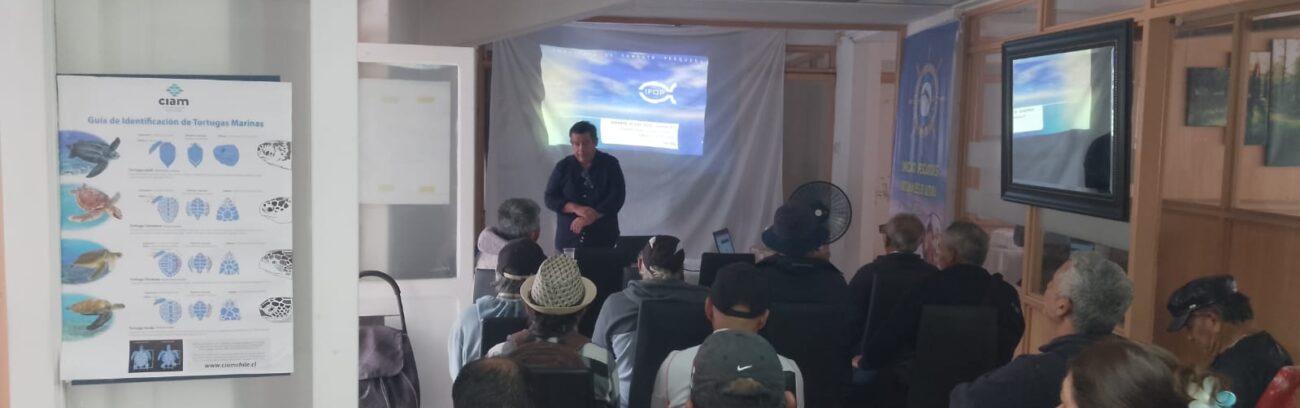
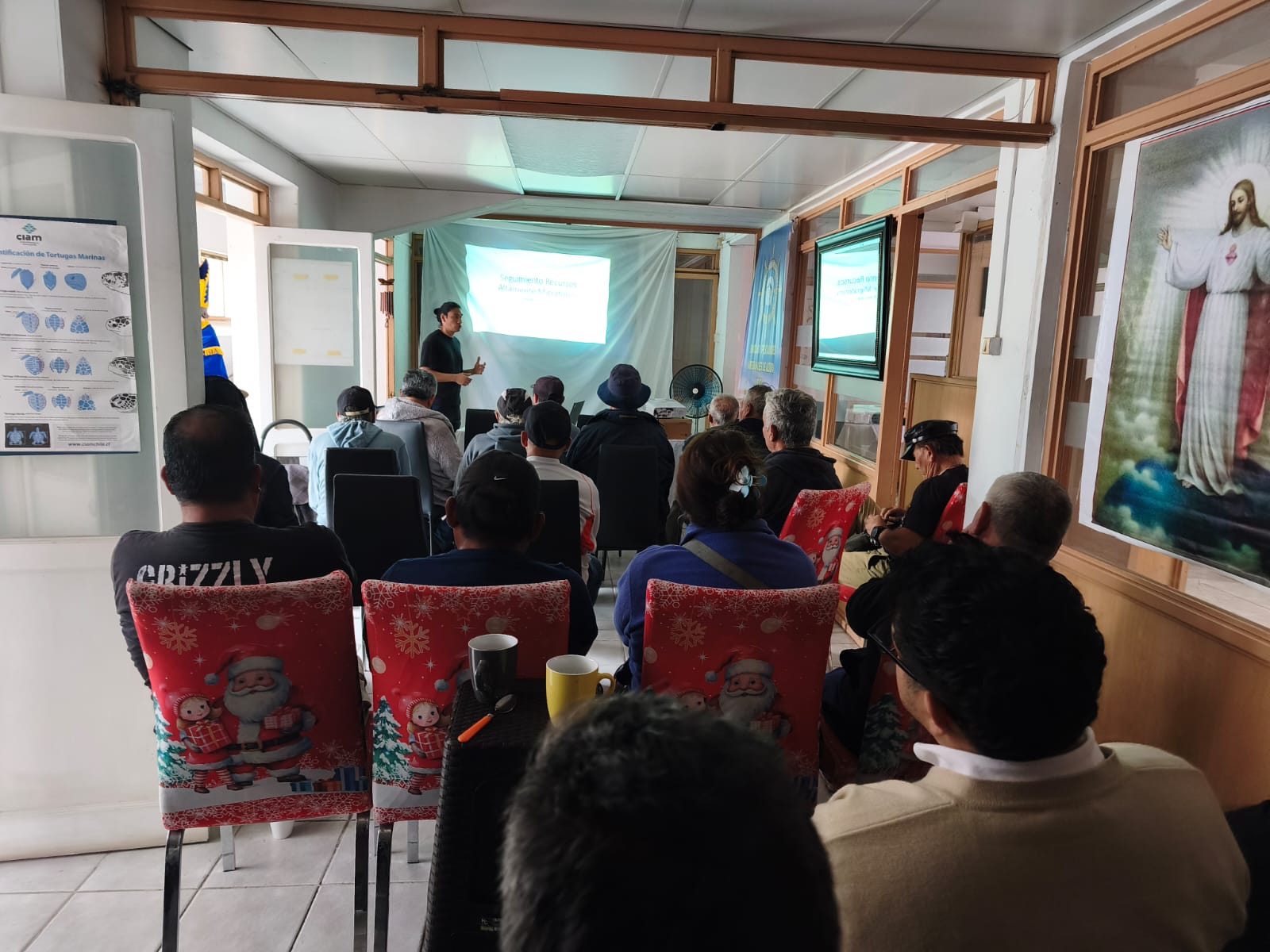 In response to an invitation from the Professional Union of Artisanal High Seas Fishermen of Arica, the Fisheries Development Institute (IFOP) participated in a working meeting focused on providing information about oceanographic and fisheries outlooks for 2026, considering the potential effects of El Niño on marine resources in the northern part of the country.
The event took place at the union’s headquarters and included the participation of the Regional Director of IFOP Arica and Parinacota, Hernán Padilla, along with the Field Coordinator, Patricio Muñoz, who presented background information on the recent state of regional fisheries and the tools available to support decision-making in the artisanal fishing sector.
During the event, IFOP professionals presented the oceanographic platform Alert, Prediction, and Observation System (SAPO), an initiative developed through a strategic collaboration between the Chilean Fisheries Development Institute (IFOP), the Peruvian Marine Institute (IMARPE), and the Ecuadorian Public Institute for Aquaculture and Fisheries Research (IPIAP).
SAPO is an innovative and integrated tool that allows for the real-time monitoring of oceanographic variables, the generation of climate forecasts, and the analysis of environmental and fisheries information, contributing to more sustainable and adaptive management of marine resources in the Southeast Pacific.
In addition, information was presented on the recent evolution of the main fishery resources and the outlook for 2026 under different oceanographic scenarios. During the meeting, the role of Scientific Observers in generating information for the sustainable management of fisheries was also highlighted, as was the importance of having vessels that support the collection of scientific and technical data in the high-seas fishery.
The activity was highly valued by the members of the Union, who emphasized the usefulness of accessing up-to-date scientific information and maintaining spaces for direct dialogue with IFOP researchers. Both institutions also expressed their interest in continuing to strengthen collaboration and knowledge transfer initiatives that contribute to the sustainable development of artisanal fishing in the region.