
8 June 2026
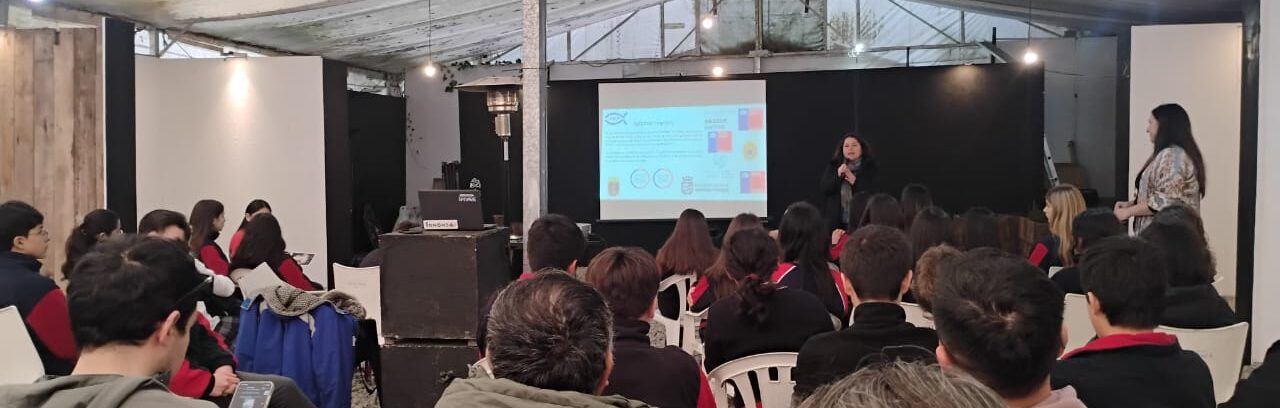
 Puerto Varas, May 2026. More than 120 students and community members participated in the Water Fair 2026, a science outreach and community engagement activity organized by the Aquaculture Research Division of the Fisheries Development Institute (IFOP), in conjunction with the Native Forest Foundation for Culture and the Arts.
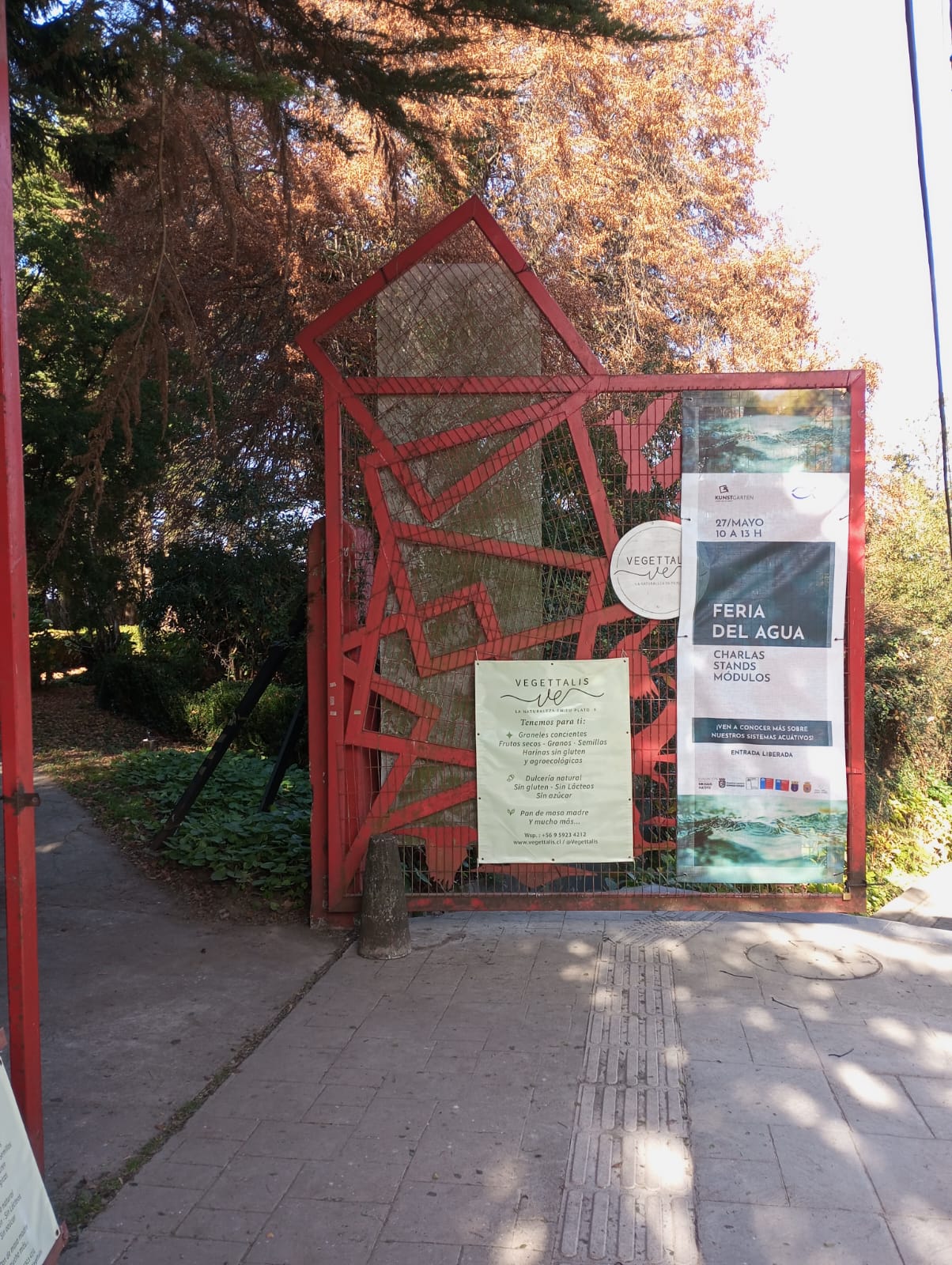
The event took place on May 27 at the Kunstgarten space in Puerto Varas, as part of Heritage Month and the commemoration of IFOP’s 62nd anniversary. Its objective was to bring scientific knowledge about aquatic ecosystems, watersheds, and the aquatic species present in the region closer to the community.
During the event, attendees participated in talks and visited interactive booths geared toward different age groups. The activities addressed topics such as Lake Llanquihue, eutrophication, biodiversity, global change, the El Niño event, aquatic microorganisms, invasive species, fish parasites, harmful algal blooms, marine protected areas, recycling, and environmental monitoring.
María Angélica Lapostol, director of the Native Forest Foundation for Culture and the Arts, emphasized the importance of creating learning opportunities about local and national natural systems, noting that knowledge is a fundamental tool for promoting the appreciation and protection of ecosystems.
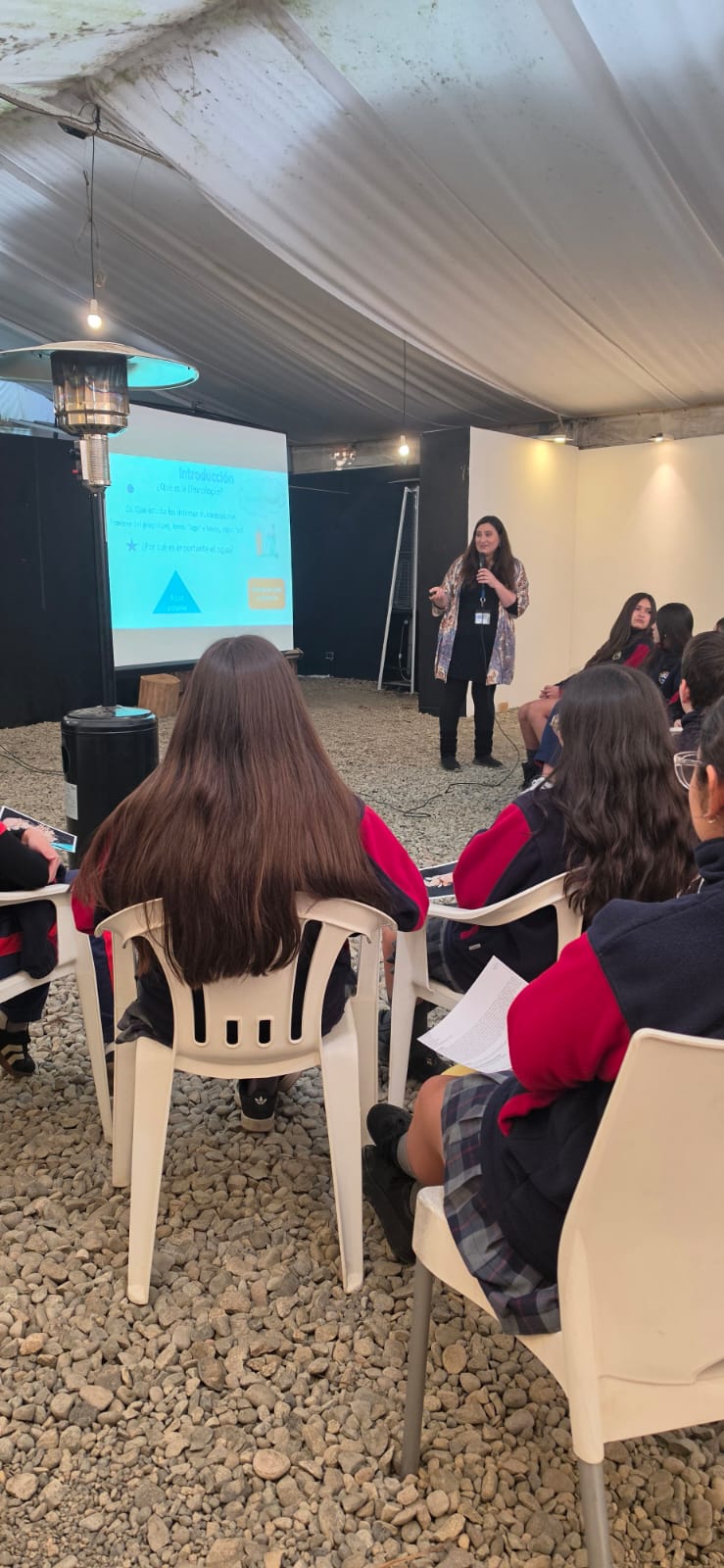 Alejandra Oyanedel, head of the Environment Department of IFOP’s Aquaculture Division, highlighted the importance of making information generated through public interest studies available to the public. These studies were developed within the framework of the strategic agreement between the Ministry of Economy and the Undersecretariat of Fisheries and Aquaculture, in accordance with the General Fisheries and Aquaculture Law, the Regulations on Hydrobiological Pests, the Environmental Regulations, and the Sanitary Regulations for Aquaculture.
Among the presentations, Nicole Pesse’s presentation on Lake Llanquihue stood out. She explained the glacial and volcanic origin of this ecosystem and the risks associated with eutrophication. She emphasized the need to move toward better environmental management practices and promote a process of continuous improvement in human activities within the watershed, in order to reduce the input of nutrients and pollutants into the lake and strengthen citizen commitment to water conservation.
Likewise, Rodrigo Vera, a researcher at the Fisheries Development Institute, presented information on some of the main aquatic pests present in Chile, including Didymosphenia geminata and green filamentous algae of the Rhizoclonium type. He also addressed the biosecurity measures associated with their control, as well as potentially harmful cyanobacteria, such as those that cause bloom problems in lakes in southern Chile.
Meanwhile, Cristina Díaz, from the Regional Environmental Secretariat of Los Lagos, presented on tools for environmental certification of water in educational establishments, while Eduardo Lemus, from Sernapesca (National Fisheries Service), addressed the importance of Marine Protected Areas and their contribution to biodiversity conservation.
One of the main attractions of the Water Fair was the installation of eight interactive booths, designed to bring scientific knowledge to the community in a fun and engaging way. At each booth, researchers and specialists answered questions and shared experiences that allowed visitors to explore the diversity of organisms and processes that sustain aquatic ecosystems.
Among the exhibits, the booth for the study “Environmental Monitoring of Aquaculture and its Site Systems,” led by Pamela Ramírez, stood out. It showcased benthic macrofauna organisms, such as crustaceans, polychaetes, and mollusks. Likewise, the “Fish Parasites and Hydrobiological Health” booth, led by María Paz Navarrete and Jaiber Solano, generated great interest among attendees, who were able to observe a wide variety of parasites using magnifying glasses and viewing audiovisual recordings of live organisms.
The team comprised of Gissela Labra, Catalina Montory, and Ángela Avilés presented a display on Harmful Algal Blooms (HABs), commonly known as red tide, explaining the main species present in Patagonian channels, the mechanisms of action of their toxins, and their effects on people and the environment.
Mario Ortiz and Paula Ramírez were in charge of the stand dedicated to Didymosphenia geminata, known as “rock snot,” where they explained the characteristics of river basins, their multiple uses, and the impacts this invasive species can have on aquatic ecosystems.
Javier San Agustín explained the work of scientific observers in collecting samples and measurements in the fishing sector, showcasing and providing information on the country’s fishery resources.
The Municipality of Puerto Varas participated with a stand associated with the “Lakes Without Footprint” initiative, focused on the study and management of water quality in the Puerto Varas bay. Patricio Antecao gave the presentation. Representatives from the Association of Municipalities of the Llanquihue Lake Basin also promoted recycling practices and responsible waste management.
The Chilean Navy, through DIRECTEMAR (Directorate of Maritime Territory and Merchant Marine), presented the “Sea and Society” stand, headed by Petty Officer Edgard Sanhueza, where vessels used for patrol and environmental monitoring in Lake Llanquihue were on display. Similarly, Sernapesca (National Fisheries Service) presented Chile’s Marine Protected Areas system and its importance for the conservation of marine ecosystems.
Attendees also had the opportunity to learn about various instruments used in scientific research and environmental monitoring, including Niskin bottles, Secchi disks, nets for sampling phytoplankton and zooplankton, flow meters, and multiparameter equipment for field measurements.
The high level of participation and enthusiasm from students and the general public reflected the growing interest of the community in understanding aquatic ecosystems and the challenges associated with their conservation. The event established itself as a valuable opportunity for learning, knowledge exchange, and appreciation of the region’s natural heritage.
The organizers emphasized that environmental education and science outreach are fundamental tools for addressing the challenges of global change and the water crisis, contributing to a more informed citizenry committed to the sustainable management of water resources.
The 2026 Water Fair brought scientific knowledge to the community in an educational and participatory way, strengthening awareness of the importance of protecting aquatic ecosystems and fostering the development of new generations committed to caring for our natural heritage and using water responsibly.