

11 June 2026
 Seed availability is one of the most important factors for the sustainability of mussel farming in southern Chile. Environmental variability, changes observed in historical collection areas, and the need to improve production planning have increased the demand for tools that provide access to scientific information useful for decision-making in the region.
In this context, the Fisheries Development Institute (IFOP) held the workshop “Using the Endemic Seed Platform for Decision-Making in Mussel Seed Collection” in Quellón. This workshop aimed to provide producers, public institutions, and stakeholders involved in aquaculture with information generated by the Mussel Larval and Environmental Monitoring Program.
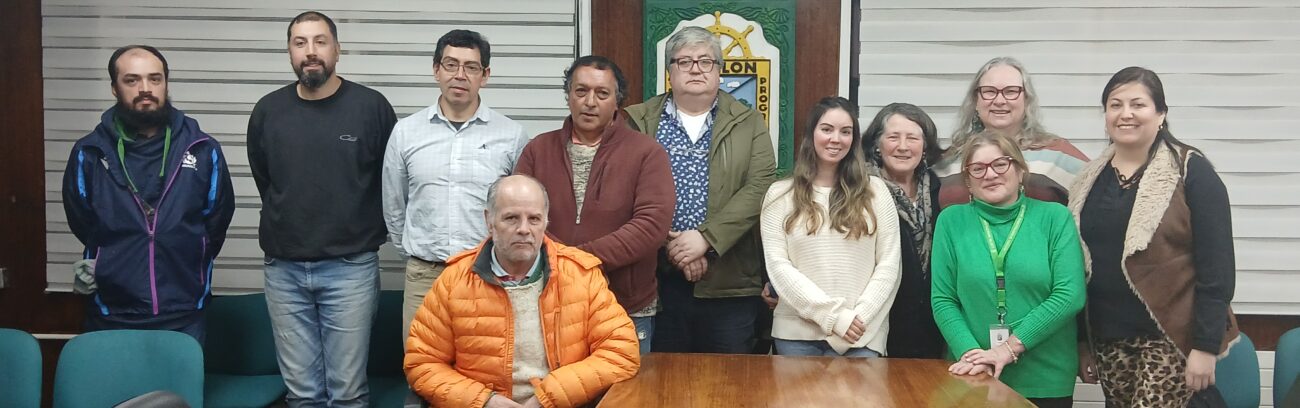
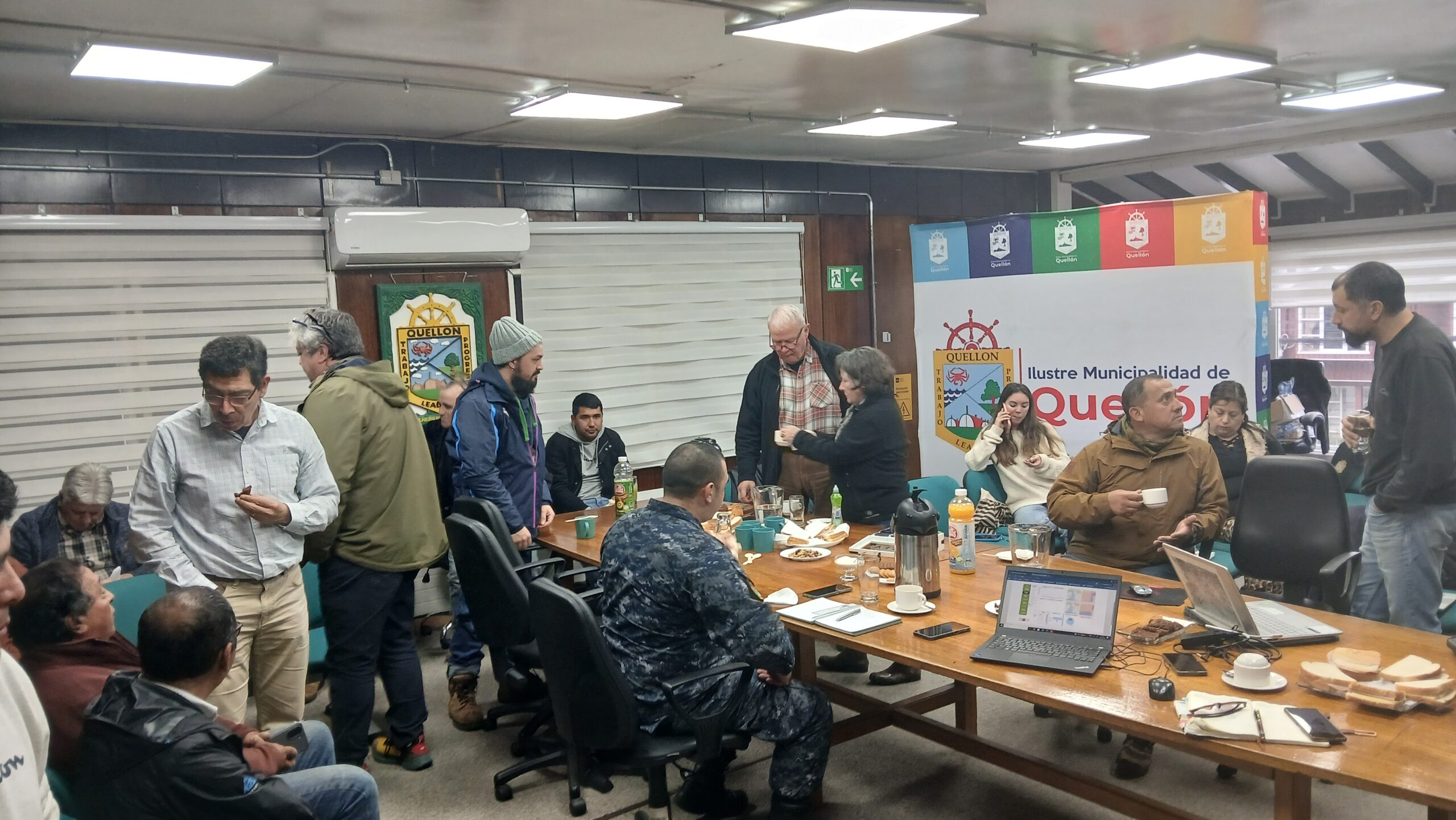
The event took place on May 28, 2026, in the Quellón Municipal Hall and brought together mussel farmers from the municipality, members of the Quellón Mussel Farmers Association, representatives from SERNAPESCA (National Fisheries and Aquaculture Service), the Port Authority, and professionals from the Quellón Municipality’s Fisheries and Aquaculture Office. This initiative was organized by researchers from the Fisheries Development Institute (IFOP), belonging to the Environmental Department of the Aquaculture Research Division.
The “Endemic Seed” platform integrates information obtained from IFOP’s ongoing monitoring in the southern region, allowing for the visualization of spatial and temporal trends related to mussel larval availability and supporting planning processes associated with seed collection.
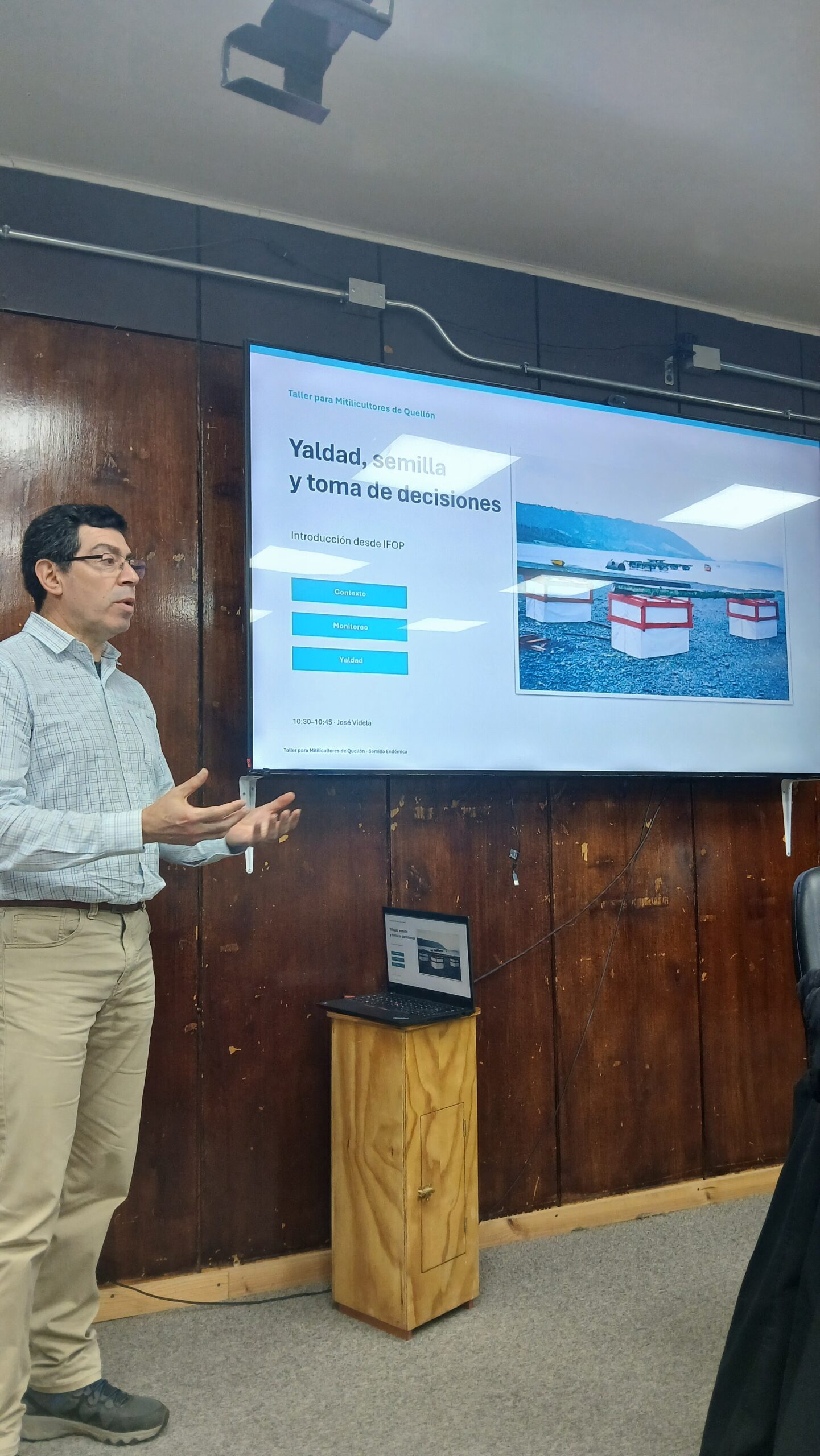 During the event, IFOP researcher José Videla presented the main objectives of the Mussel Larval and Environmental Monitoring Program and the current productive and environmental challenges facing mussel farming. Subsequently, researcher Macarena Herrera gave a practical demonstration of the platform and its query tools, while researcher Óscar Ramírez discussed with the attendees the changes observed in different seed collection areas and the potential influence of physical and environmental factors on seed availability.
The activity also included practical exercises and hands-on work with the platform, allowing attendees to familiarize themselves with the available analytical tools and discuss specific needs of the region.
One of the main outcomes of the meeting was the strengthening of coordination mechanisms between IFOP (the Fisheries Development Institute), producer organizations, and local public stakeholders, with the aim of facilitating more timely access to relevant information for decision-making regarding seed collection.
In this context, it was agreed to strengthen communication with the local production sector by disseminating information related to significant seed abundances detected through the platform, thus promoting more informed planning processes for producers in the municipality.
The event also provided an opportunity to exchange perspectives on emerging challenges for mussel farming, including the conservation of historical harvesting areas, the protection of larval corridors, the effects of environmental variability, and aspects related to coastal zone management and Indigenous Coastal Marine Areas (ECMPO).
The mayor of Quellón, Claudio Barudy Labrín, praised the initiative, stating, “This working tool presented by IFOP to mussel farmers is very useful, and we are very pleased that this training provides a valuable resource for the community, especially given the challenges posed by climate change.”
For his part, Manuel Hidalgo Alfaro, Lieutenant Commander of the Puerto Quellón Coastal Command, highlighted the operational and territorial value of the information generated and indicated that, “The Endemic Seed platform is a wonderful and fundamental tool for mussel farmers, as it provided them with data and graphs. Furthermore, it delivered the knowledge in a didactic way, so that each of them could understand how to perform the analyses to prepare for the logistical processes prior to the harvesting dates. For us, as the maritime authority, knowing that mussel farmers are involved in this process allows us to focus our oversight both from the perspective of maritime policing and the care and protection of the aquatic environment.”
From the production sector, Elías Coliboro, president of the Quellón Mussel Growers Association, emphasized the importance of strengthening the connection between applied science and production. “For us, the workshop held with IFOP is of great importance because it addresses topics relevant to our industry that directly relate to the information needed to continue operating within the municipality and the region. Specifically, we are focusing on the main link in the production chain, which is the supply of seed to the different areas and sectors.” He added, “Today, we must work collaboratively with institutions. In this case, IFOP is a strategic ally of ours, and we are also reaffirming our trust after some time. We believe it is a key player in continuing to move forward with the industry and generating alliances and support, using technology and scientific information to strengthen this activity, which is so important for our region.”
For his part, Cristián Hudson, regional director of SERNAPESCA in the Los Lagos region, stated that “This workshop allowed us to address the use of technological tools, particularly highlighting the Endemic Seed platform, which is a key support for decision-making in seed collection processes by local communities.” He also emphasized that “This type of initiative is fundamental for public services, as it allows us to directly gather the perceptions and experiences of users in the sector. This feedback is crucial for implementing timely and efficient improvements to the available tools and ensuring the delivery of relevant and timely information.”
This workshop is part of the ongoing research program “Monitoring and Surveillance of Mussel Larval Availability for the Sustainability of Aquaculture in Southern Chile (Phase XIV), 2026-2027,” an initiative funded by the Ministry of Economy and Competitiveness (MINECON) and with technical support from the Undersecretariat of Fisheries and Aquaculture (SUBPESCA).
Press related links: