

1 October 2026
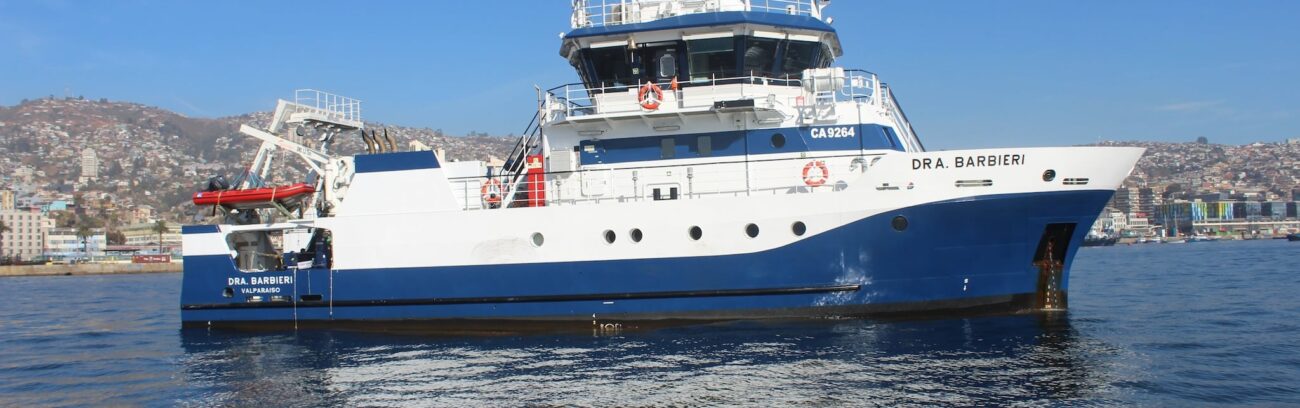
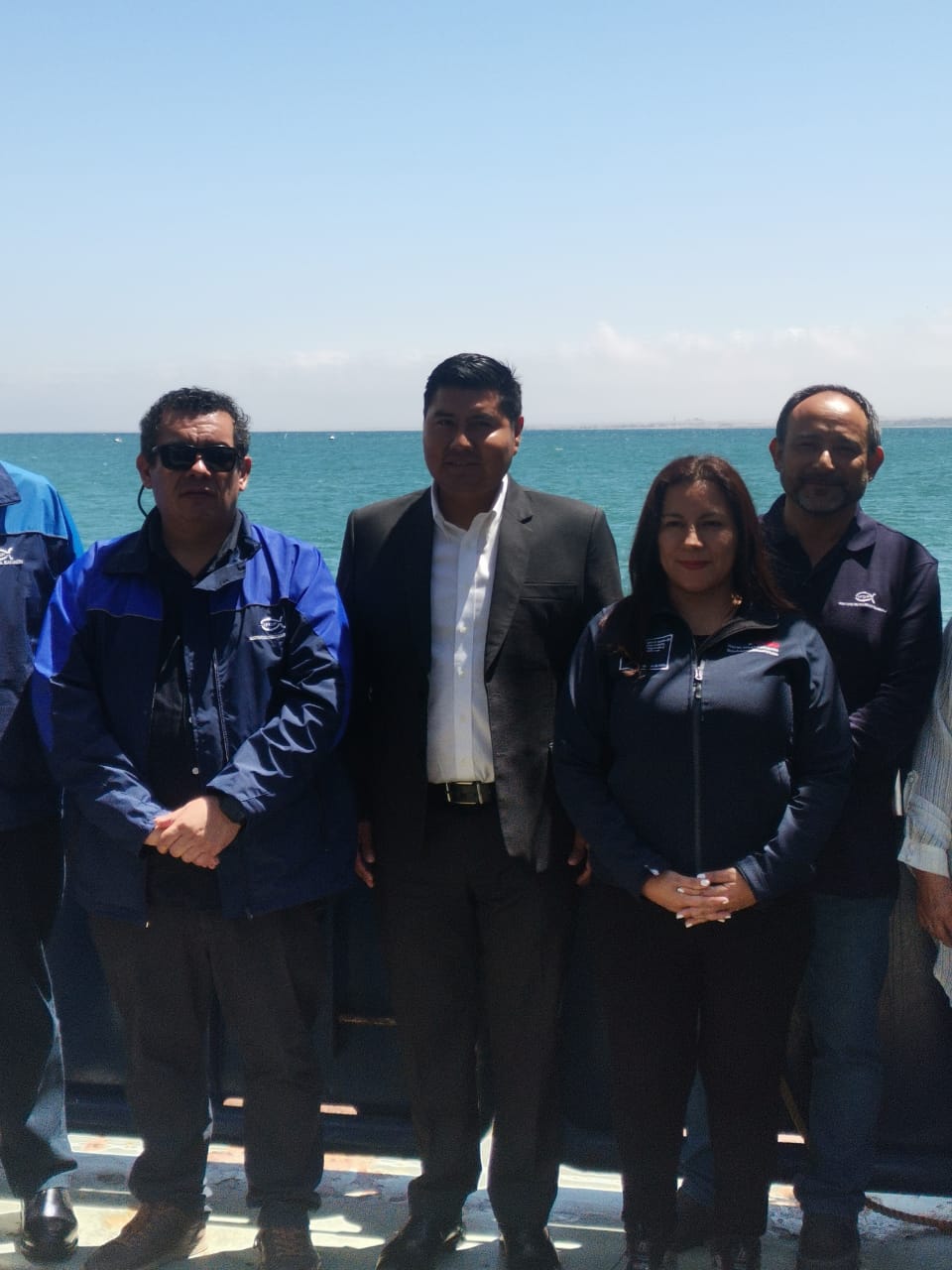 To observe firsthand the monitoring of local marine species’ behavior in response to rising water temperatures, regional authorities paid an official visit to the research vessel “Dra. Barbieri,” operated by the Fisheries Development Institute (IFOP).
The visit focused on analyzing the status of the anchoveta (Peruvian anchovy)—a key resource for local artisanal fishing—which has seen reduced yields in recent years due to anomalous weather phenomena.
During the tour of the vessel, Regional Governor Diego Paco highlighted his administration’s concern regarding the effects of climate change and the El Niño current on the coastline—a situation impacting both fishing activities and the peace of mind of tourists and beachgoers.
After touring the facilities where ocean samples are analyzed, the official emphasized the need to drive new strategies based on scientific evidence. “We will continue working, researching, and monitoring—not only to restore tranquility along the coast but also to face the challenges… ensuring fishermen have work and good yields,” the Governor stated.
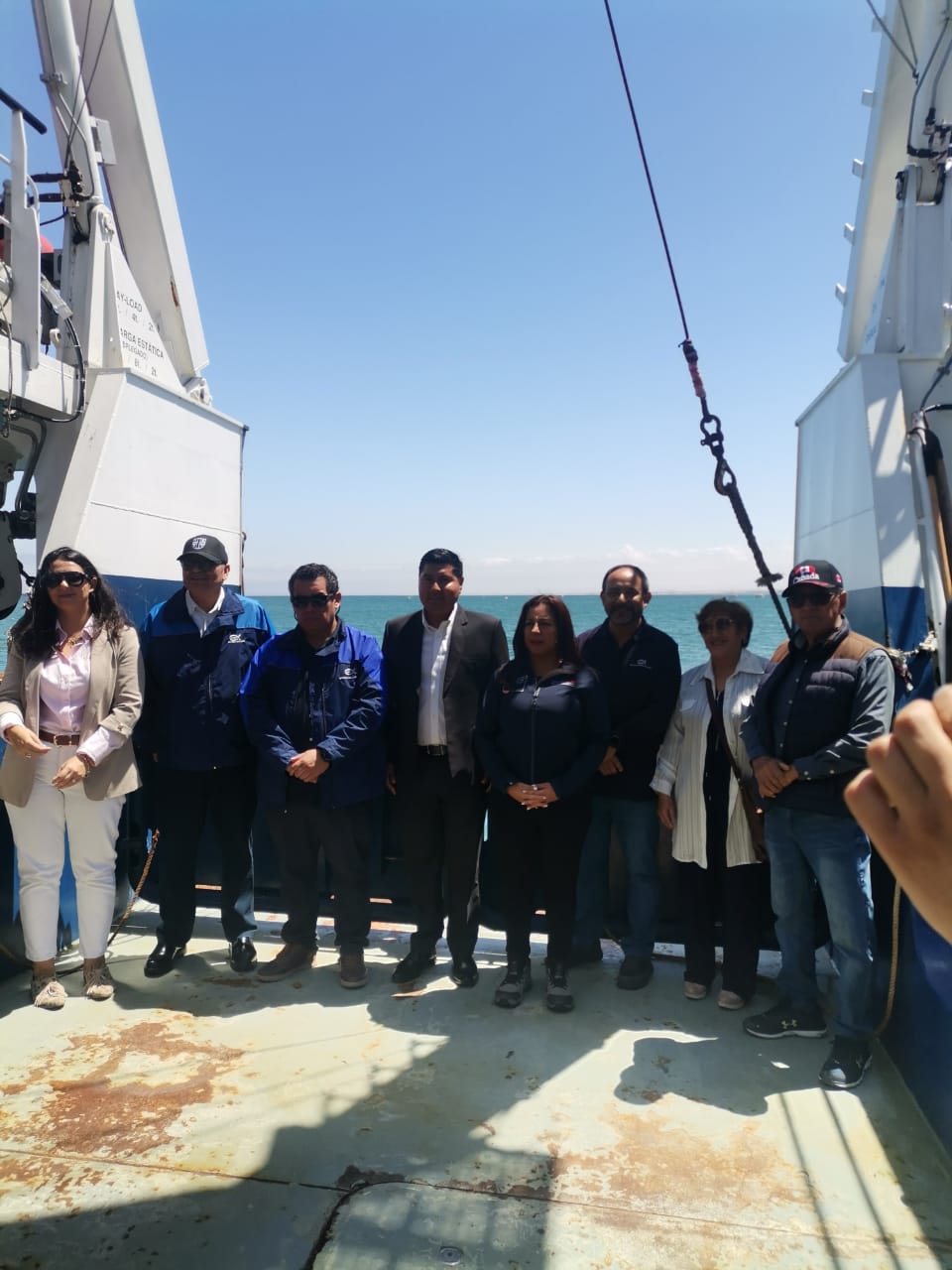 Meanwhile, Hernán Reyes—Head of the Oceanography Section within IFOP’s Department of Oceanography and Environment and the vessel’s chief scientist—explained that the project to assess the anchoveta spawning stock between Arica and Antofagasta aims to collect eggs at sea to forecast the fishery’s future.
“This is one of the projects with the greatest long-term continuity. It has run for nearly 30 iterations, and its purpose is to determine the size of the spawning female stock,” Reyes noted, adding that this information is vital for the final assessment of the resource. The IFOP expert elaborated on the complex current climate scenario. He noted that, following a sharp decline in catches in 2023 and a brief rebound during a cold spell between 2024 and 2025, the region is now facing an event that experts classify as one of the most intense in history. This unique situation stems from the coupling of El Niño with the warming phenomenon known as “Coastal El Niño” (*Niño Costero*); the latter affects Peru’s northern coast by raising temperatures up to 8 degrees above average, creating a potentially severe impact on northern Chile.
In the presence of warm waters, the behavior of the anchoveta changes drastically. Reyes warned that the stock tends to shift—diving and moving closer to the coast or migrating southward, just as occurred during the intense 2014 event—resulting in specimens of smaller size and lower weight.
In this regard, he emphasized that environmental processes play a major role in the species’ reproduction and distribution. “Therefore, monitoring oceanographic conditions provides data that is sufficiently strong and robust to determine the degree of anomaly in the area, how the region is being affected, and the impact on the resource,” the chief scientist concluded.
Source: https://gorearicayparinacota.cl/goreayp/site/artic/20260930/pags/20260930185306.html
Press related links: