11 May 2026
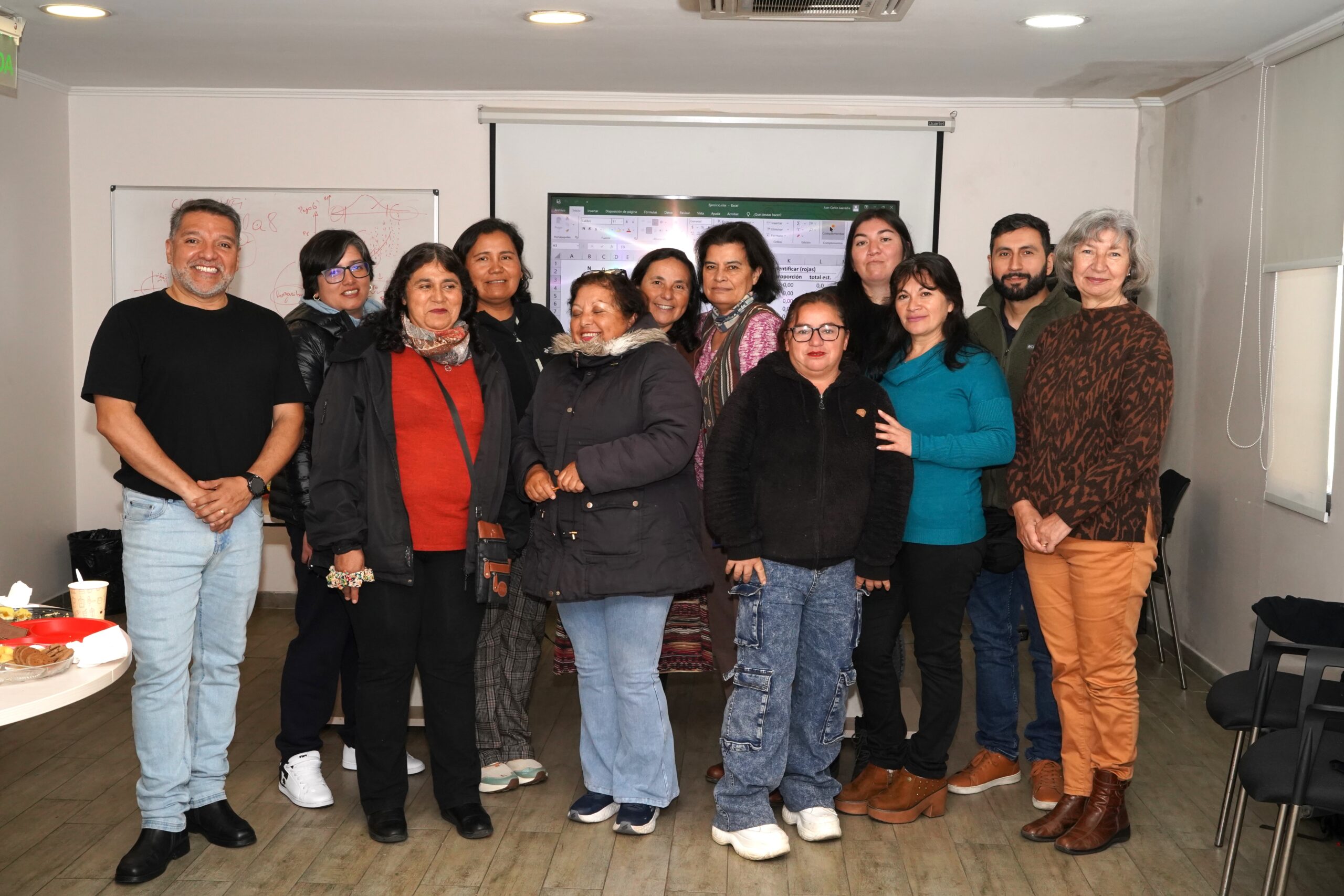 As part of the Benthic Fisheries Monitoring Project, nine scientific observers from fishing coves in the Biobío and Los Ríos regions participated in a training workshop held at the Fisheries Development Institute (IFOP) in Talcahuano.
The activity, organized by senior researcher Nancy Barahona Toledo, along with regional director Sergio Flores Claramunt and field coordinator Nelson Salas Jiménez, aimed to strengthen the technical skills of the participants, who play a key role in collecting information for the sustainable management of benthic resources.
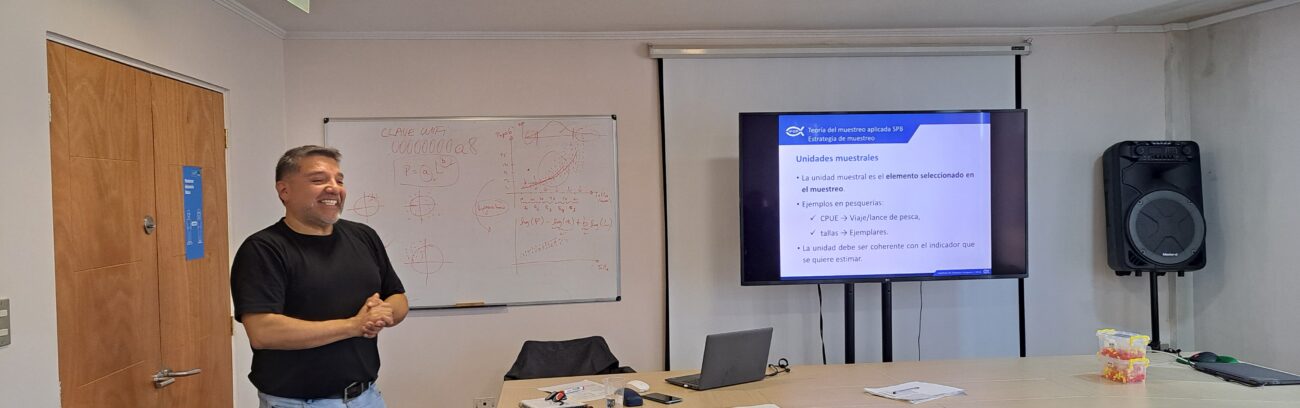
The main session was led by Dr. Juan Carlos Saavedra Nievas, a statistician, who addressed field experiences, challenges in data collection, the strategic role of scientific observers and field coordinators, and the fundamentals of sampling theory. The event promoted best practices in data collection, directly contributing to the continuous improvement of field monitoring processes.
During the workshop, information requirements for 2026 regarding georeferencing were also defined, a topic presented by Óscar Gallo Alveal. Additionally, Nancy Barahona launched a new line of work focused on collecting data on waste generated in benthic fishing operations, with the aim of moving towards a more sustainable activity. The day concluded with the presentation of 2025 results by cove, highlighting the fishing activity of the benthic fleet and the data obtained through biological sampling.
Dr. Saavedra stated that “this workshop was a key space for linking statistical theory with the operational reality of the scientific observers and the field coordinator. Data representativeness is the basis of estimates, and this type of training ensures that the collected information is of the highest scientific quality, contributing to solid technical advice for decision-making in benthic fisheries.”
The participants, meanwhile, highlighted the knowledge they acquired, from the conceptual perspective of sampling and its direct connection to their daily work, which is relevant to the generation of scientific information.
Finally, Nancy Barahona emphasized the importance of these types of opportunities “that facilitate direct interaction between researchers and scientific observers, with each contributing their experience and training, thus consolidating this activity, which is fundamental to the project, as is sampling.”
This nationwide project, funded by the Ministry of Economy, Development and Tourism, is a key tool for generating scientific information to support decision-making in the management of benthic fisheries in Chile.
Press related links: