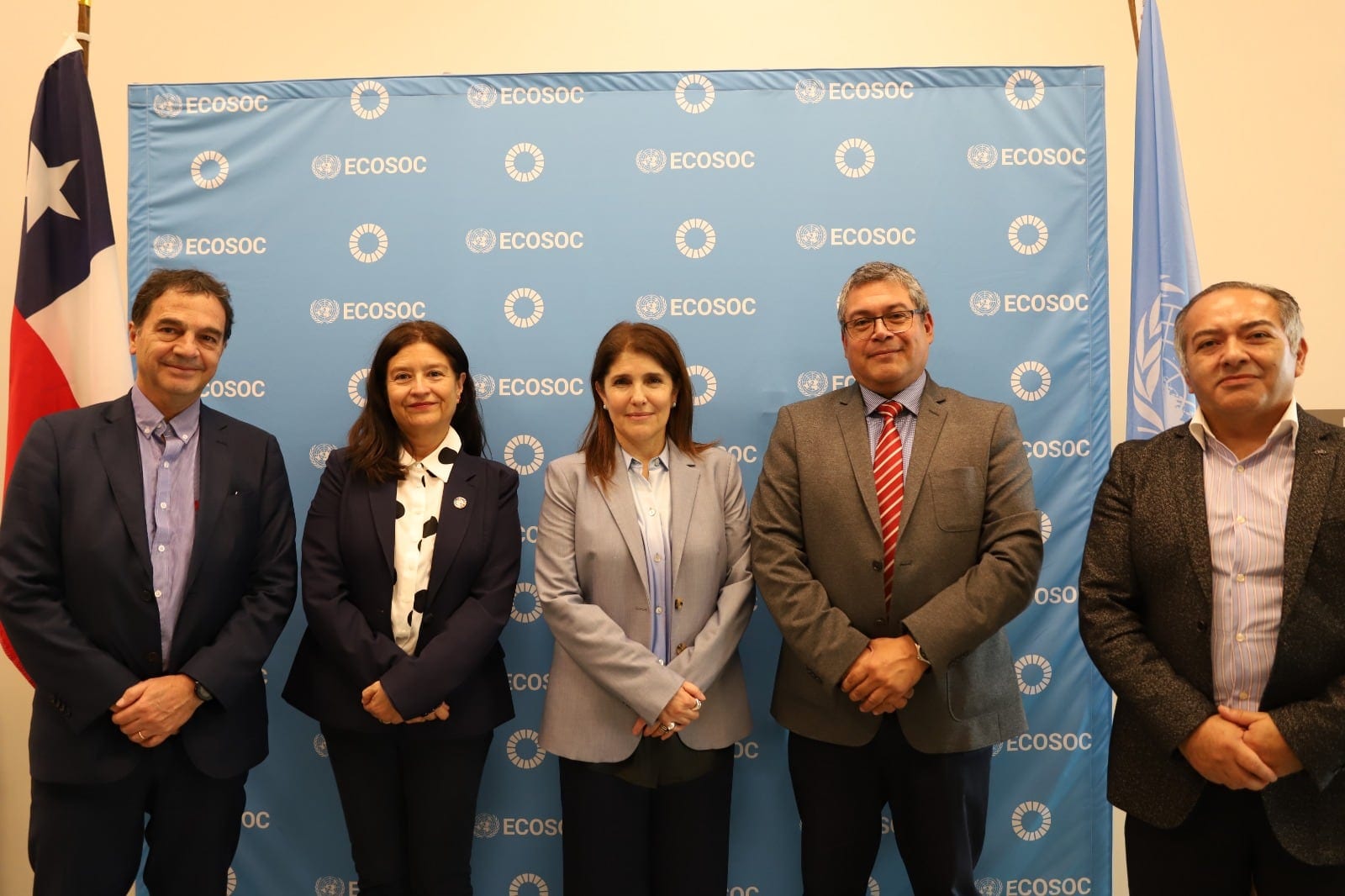
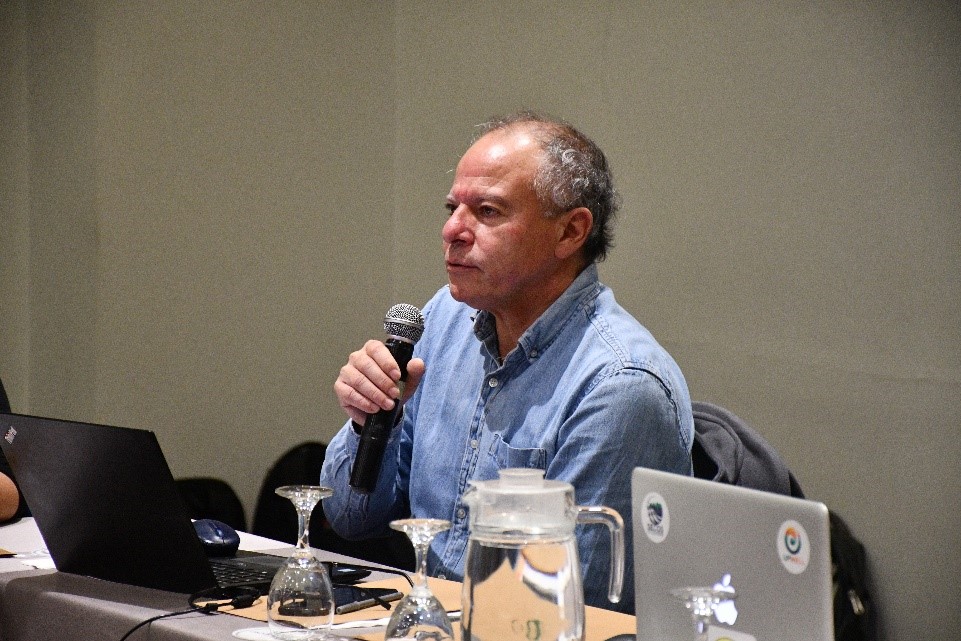
It addressed the impact of climate change on the fishing sector and how to collaborate with greater resilience in fishing. From May 15 to 19, the 17th round of informal consultations of the States Parties to the Fish Stocks Agreement, also known as the New York agreement, or the High Seas Fisheries Agreement, took place at the United Nations headquarters in New York. The topic of the meeting was climate change and the impact on fisheries. During the activity...
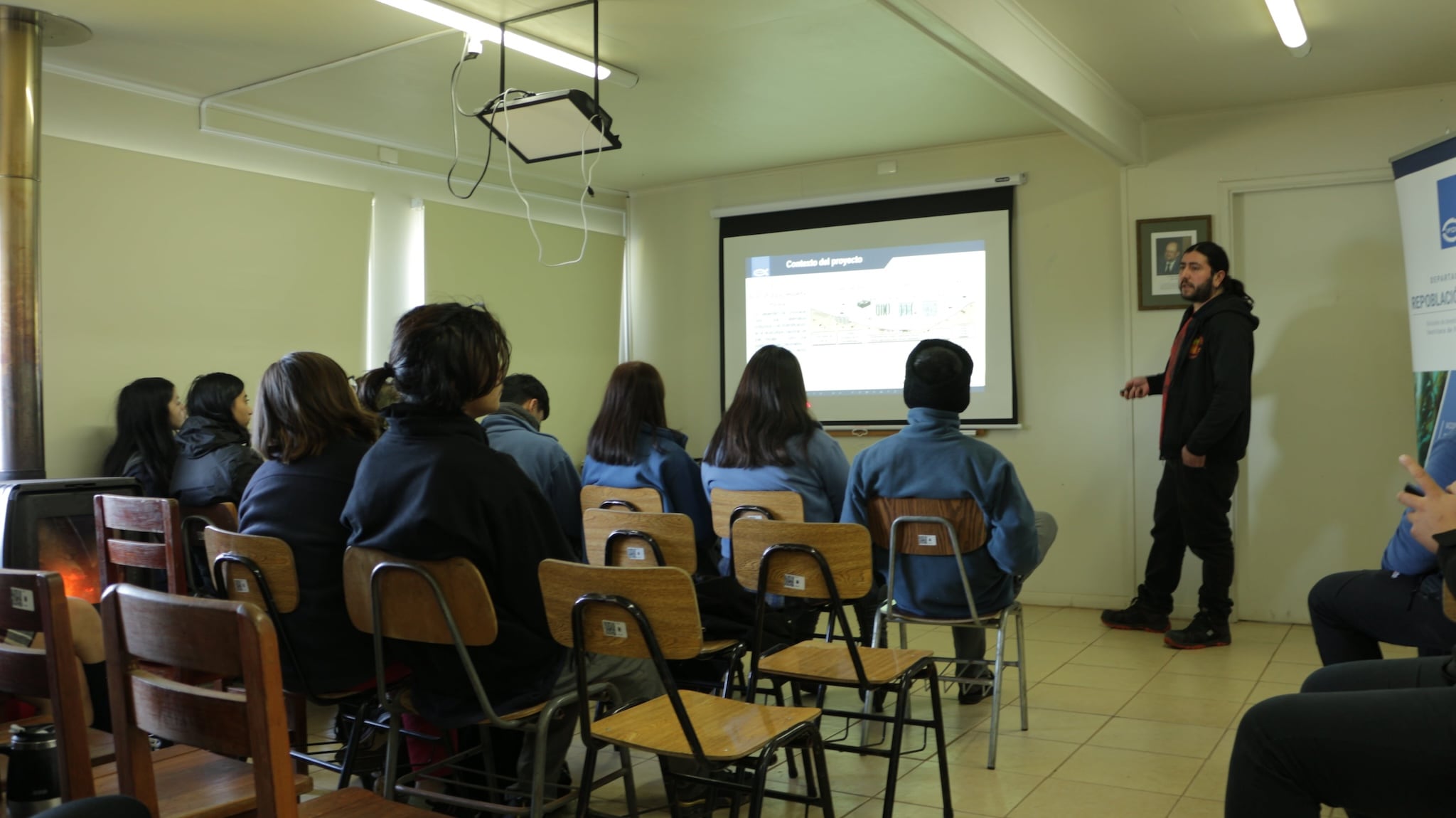
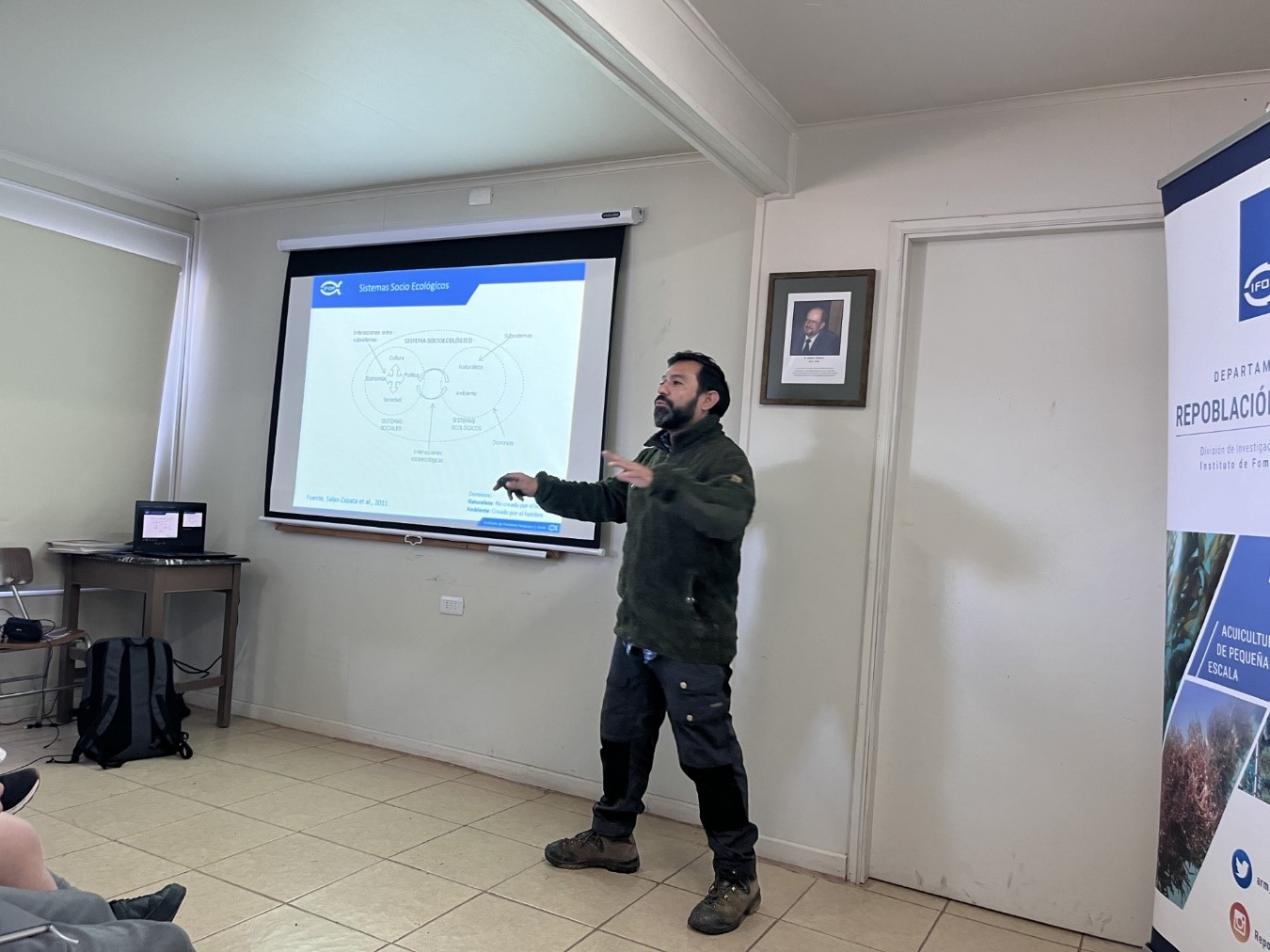
In May in Ancud, the Quempillén Sea Day was held: bringing the Ancuditan community closer to the development of science. Instance in which the researcher from the Department of Repopulation and Cultivation of IFOP, Sebastián Cook Alvarado, participated with the presentation: “Cultivation experiences in the Pudeto estuary and perspectives for the sustainability of aquaculture.” The event took place at the Quempillén Experimental Station of the Austral University of Chile (UACH), located in Ancud, with an audience made up of...
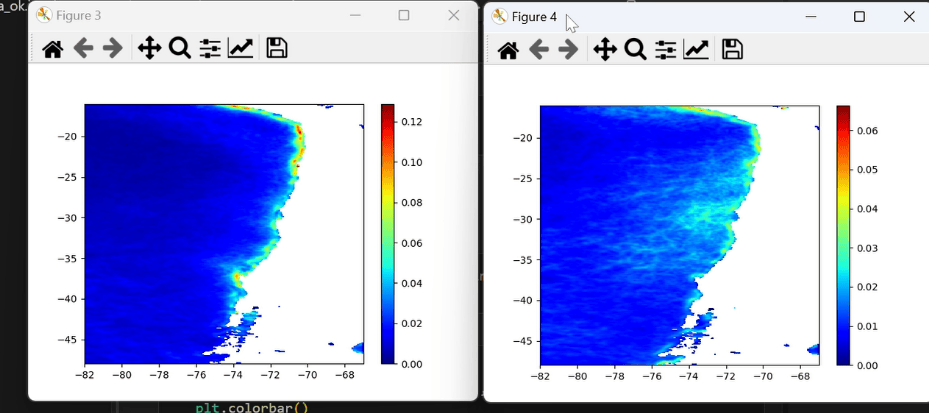
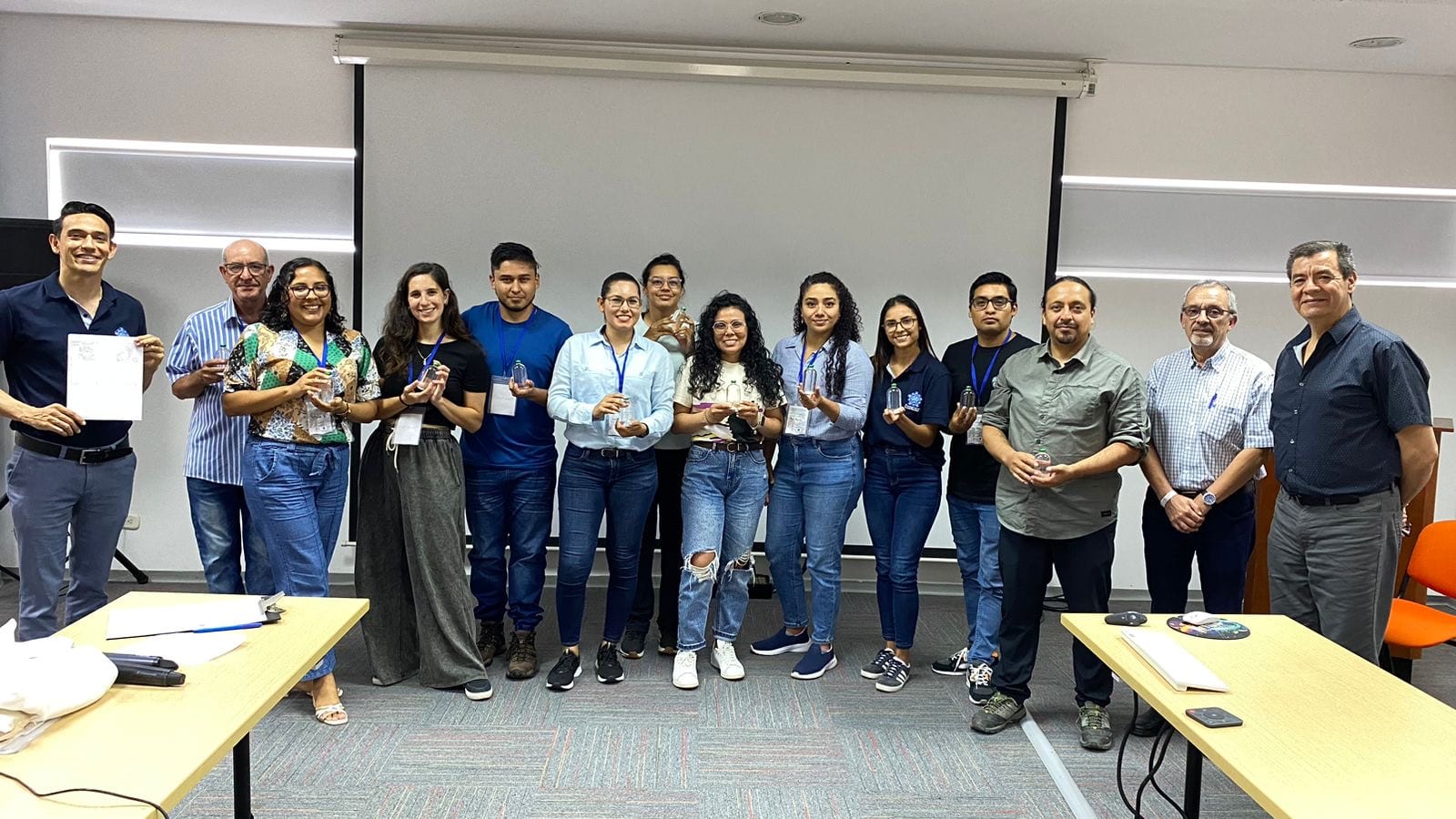
During April and May 2024, the course “Phyton: Pre-processing of geophysical data for Hydrodynamic Models” was developed virtually, which was taught by professor Dr. Frank Oyala from the Baja Marine Science Project, Mexico. The course is one of the activities included in the IFOP Annual High Level Specialization Training Program (PACAN) and its objective was to “Train professionals in the domain of Python programming, providing them with the necessary skills to acquire, analyze and visualize oceanographic data efficiently.” On...
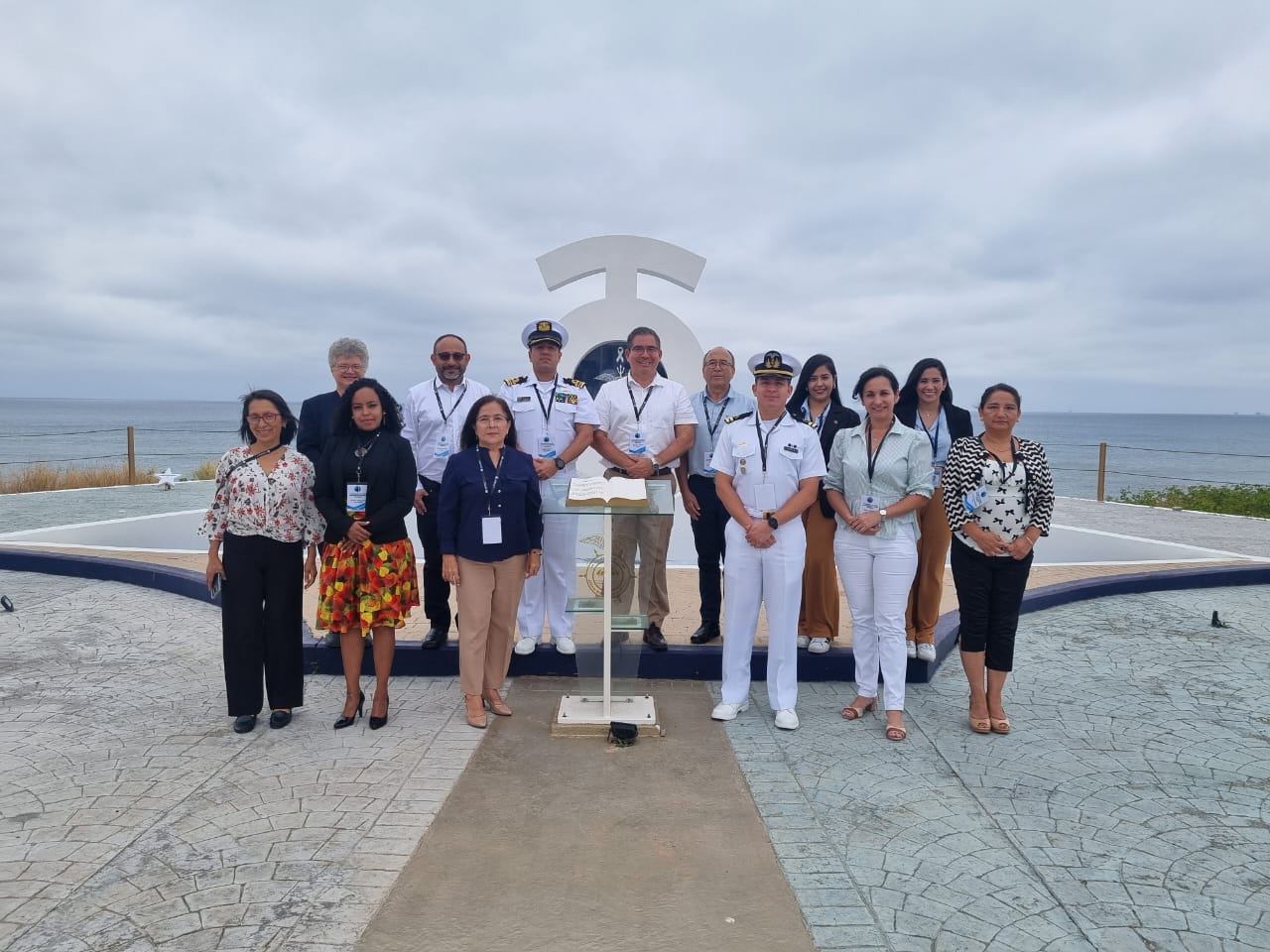
In the coastal city of Salinas, Ecuador, the XXVII Meeting of the Regional Cruise Coordinating Committee and the XVII Meeting of the Specialized Technical Database Group were held, within the framework of the Permanent Commission of the South Pacific (CPPS). Both meetings took place between May 28 and 31, 2024. The annual meeting of the Regional Cruise Coordinating Committee (CC CR) has the participation of IFOP through the delegate of Chile, the oceanographer Hernán Reyes, Head of the Oceanography...
Carlos Techeira, IFOP researcher, attended “Strengthening knowledge and management of RIMB (Benthic Marine Invertebrate Resources) within the framework of implementation of the fisheries management regulations” international workshop held in Lima between May 6th and 8th. Carlos commented: “My participation in the activity responded to an invitation from NGO TNC Perú (The Nature Concervancy), to present on evaluation methodologies oriented to RIMB, performance indicators, biological reference points usefulness and estimation. Monitoring protocols standardization, based on what was carried out by...
Dr. Jurleys Vellojín, Semi-senior researcher of Aquaculture Division Environment Department, participated from May 6th to 10th, 2024 in the Regional Training and of carbonate system measurement for average sea acidity evaluation (SDG 14.3.1), training course which was carried out at the José Benito Vives de Andráis Marine and Coastal Research Institute, in Santa Marta City, Colombia. Dr. Vellojin indicates that “acquired knowledge in this course is of great relevance for the institution, given the importance of continuing to strengthen...
Between May 13th and 15th, Fisheries Development Institute (IFOP) researchers presented talks in Ancud Commune’s different locations. Researcher Paulo Mora presented the talk called “Benthic Resources and Fisheries in Los Lagos Region” at El Pilar and Seminario Conciliar schools in Ancud city. Researchers Paulo Mora, Andrés Olguín and Sebastián Cook presented the talks “Benthic resources and fisheries in Los Lagos Region”, “Jellyfish: Myths and Realities” and “Cultivation experiences inPudeto estuary and aquaculture sustainability perspectives “, respectively, the latter in...
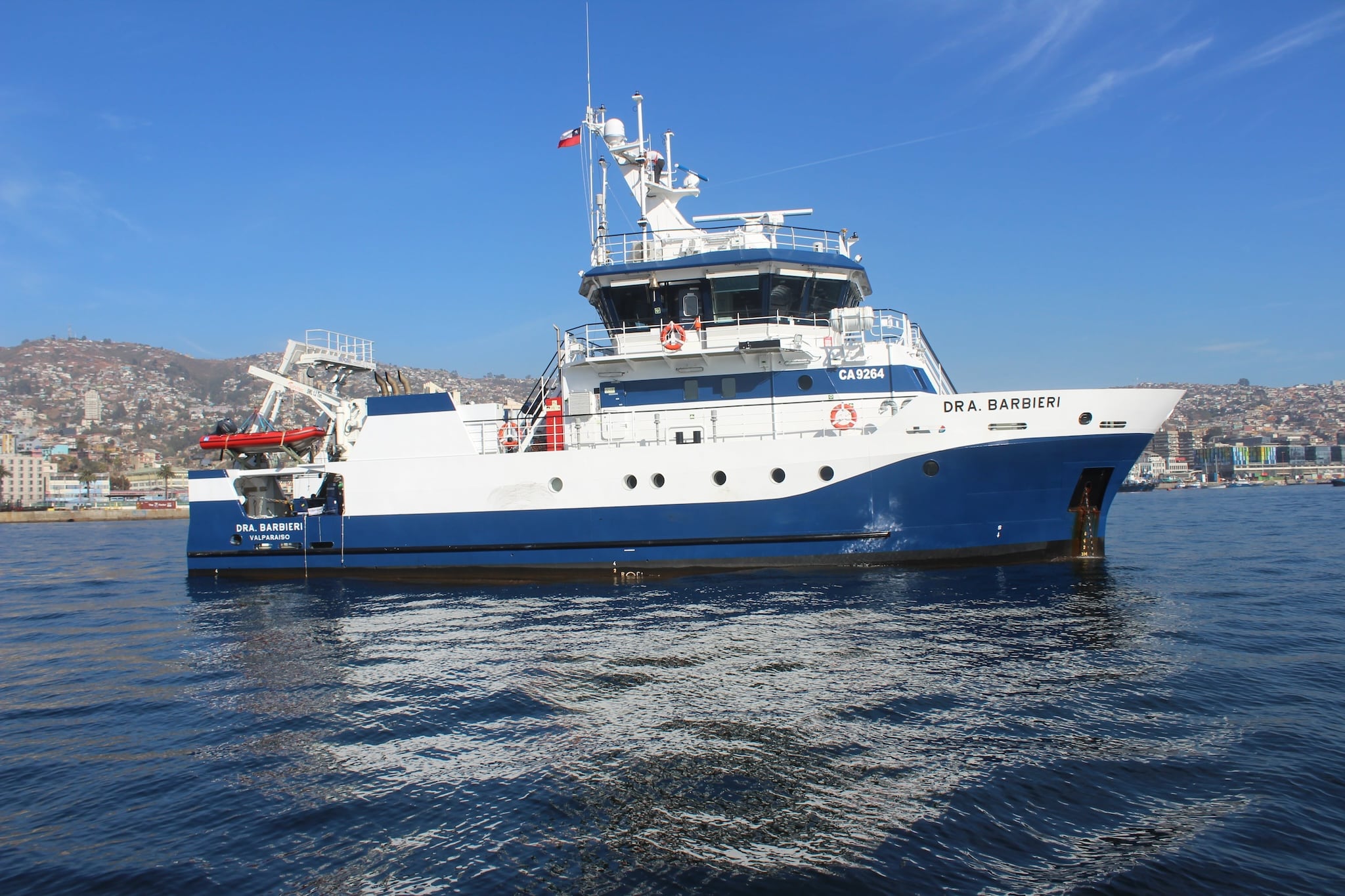
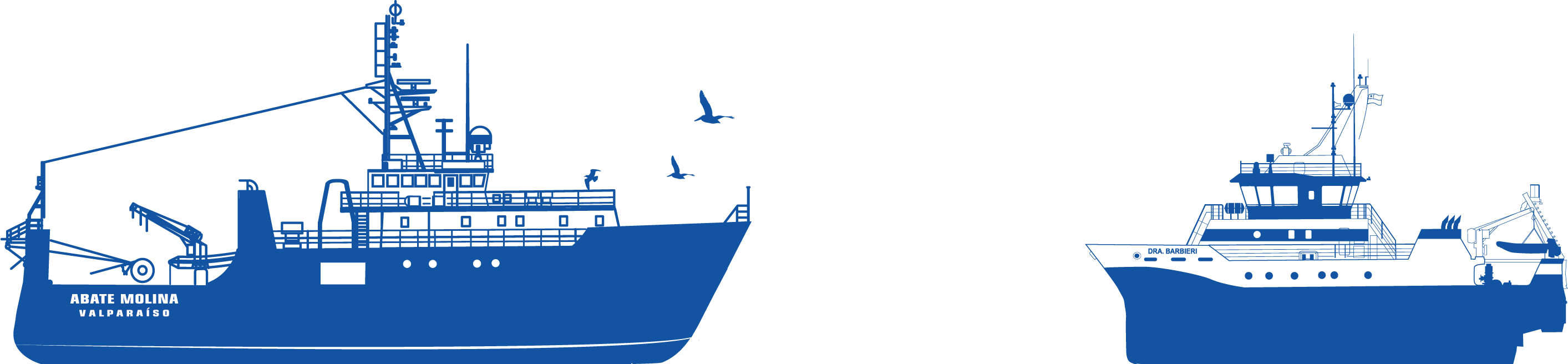
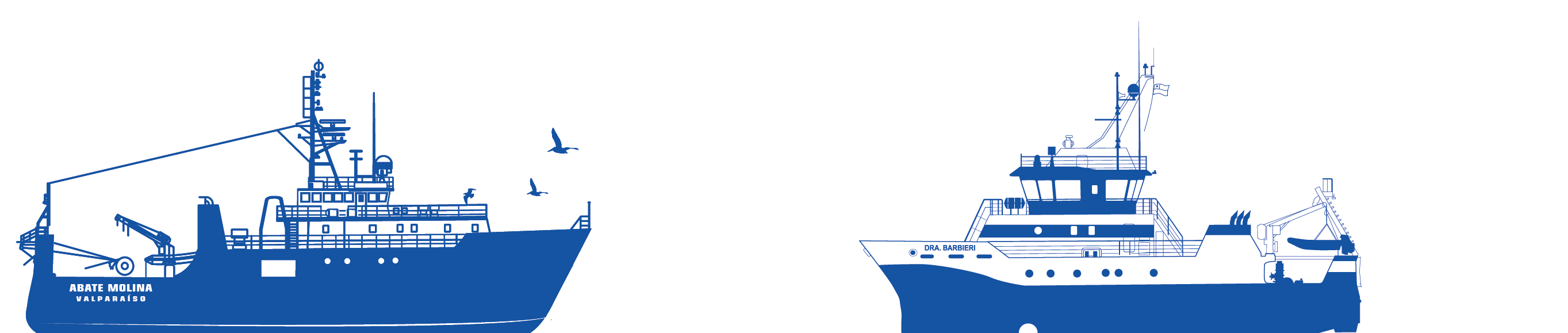
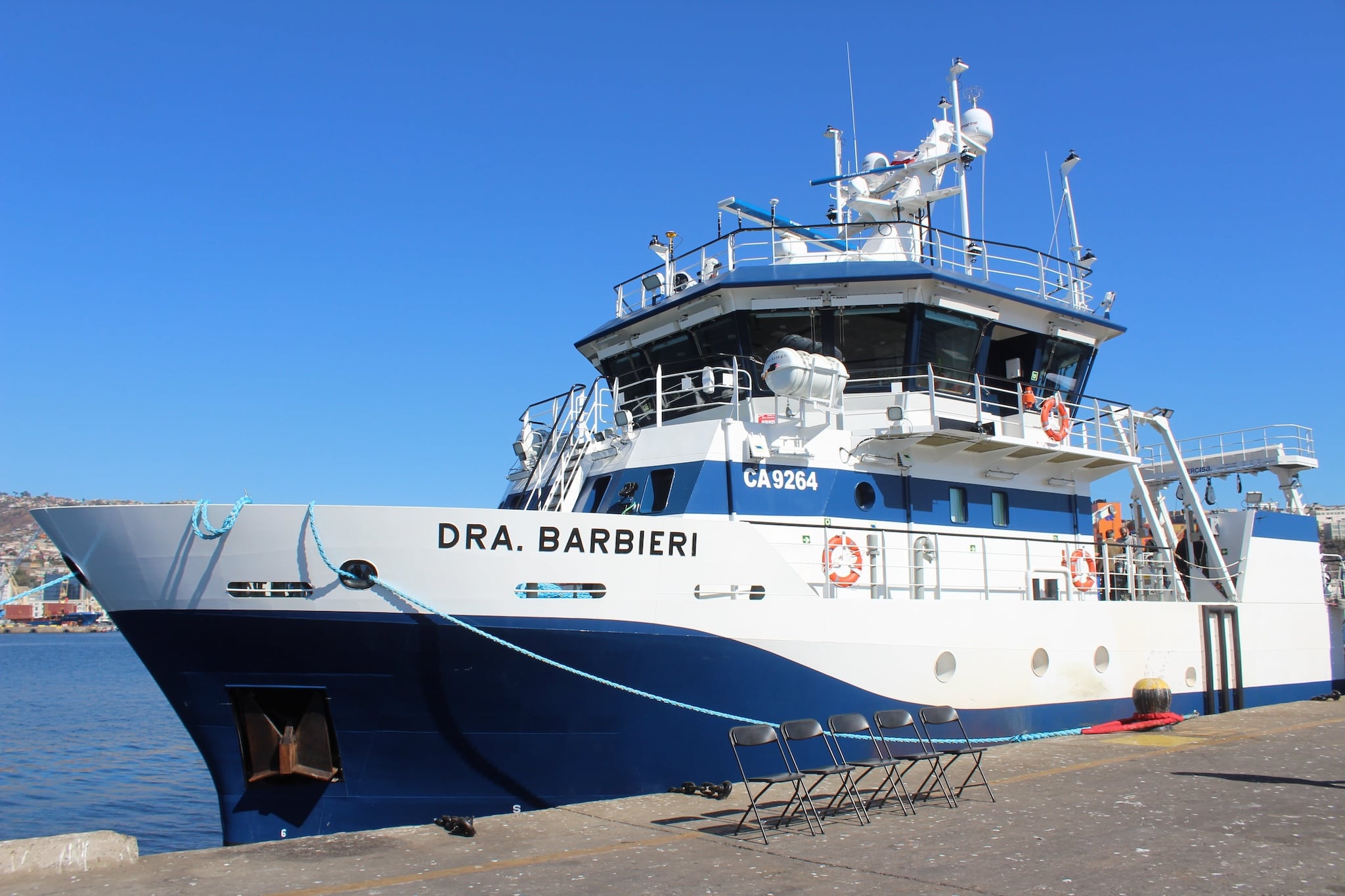
It will take place between May 16th to August 15th, 2024. On May 16th, Dra. Barbieri scientific vessel set sail from Valparaíso´s Port to carry out “Yellow shrimp red shrimp and nylon shrimp direct evaluation , between the Regions of Antofagasta and Biobío” the project leadership is led by the Researcher Carolina Lang. The captain of the ship is Rolando Cabrera, and as head of the cruise ship is the fishing engineer Bernardo Leiva. Gonzalo Pereira, IFOP’s Executive Director,...
Fisheries Development Institute, IFOP, was created on May 26th, 1964, by CORFO Production Development Corporation, , and National Fisheries Society, through an international technical assistance project in fisheries matters between the Chilean Government, the United Nations Development Program, UNDP, and the United Nations Agricultural Organization, FAO. Gonzalo Pereira, IFOP’s Executive Director, highlighted “in the context of our institution 60th anniversary during this year we have scheduled a series of activities, seminars, courses, the publication of a book at the...
Within the Month of the Sea’s framework, Puerto Aysén becomes epicenter of“Aysén Sumergido” fair, a day that has various institutions active participation institutions which carry out monitoring, research and cultural actions in Aysenino maritime area, promoting local marine ecosystems’s knowledge and conservation. Fisheries Development Institute (IFOP) announces the celebration of a commemorative Month of the Sea day in Puerto Aysén. The event, which will take place this May 27th at Puerto Aysén House of Culture, has as its main...
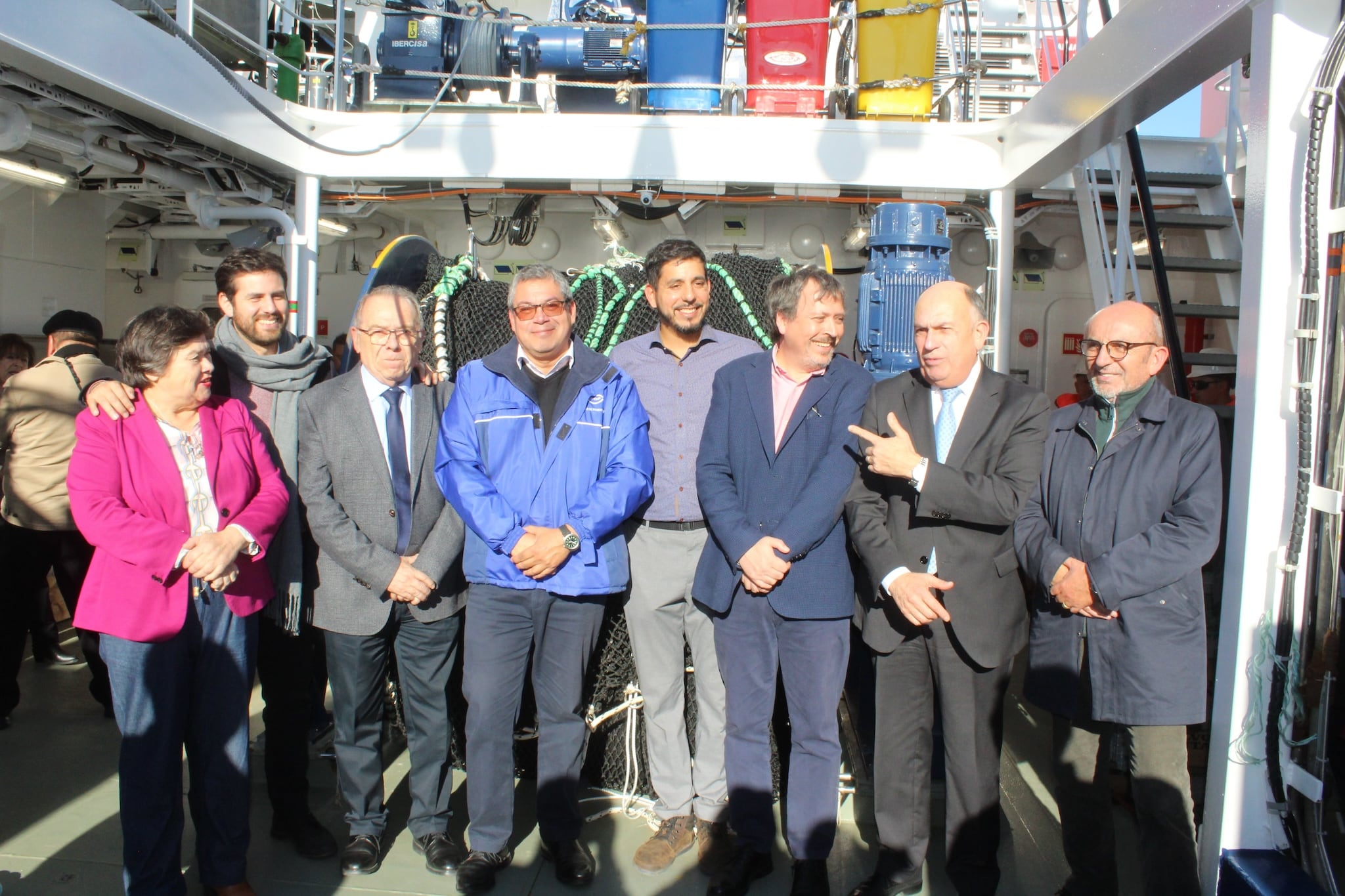
Valparaíso on May 8th, within the New Fisheries Law’s framework discussion, Jorge Brito,Deputy and Fisheries Commission President, together with legislative body members in addition to Fisheries’s Undersecretariat, IFOP’s Executive Director and Dr. María Ángela Barbieri, hold an unprecedented meeting at new scientific vessel “Dra. Barbieri” facilities -which were built in Chile- and that will contribute to marine ecosystems research throughout the country, focusing mainly on oceanographic and fisheries studies. The New Fisheries Law presented by the government seeks, among...
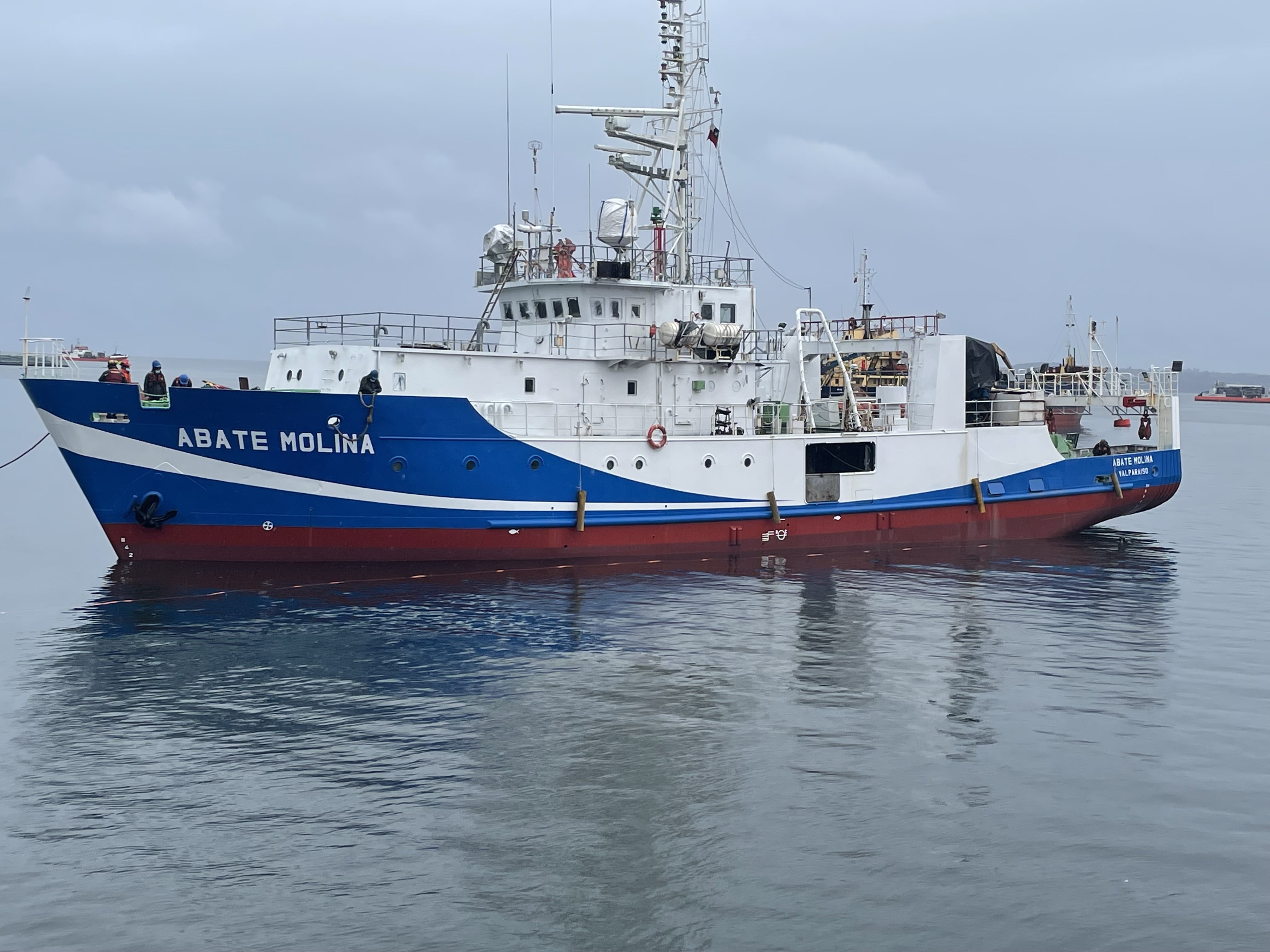
On May 6th, Abate Molina ship set sail from Valparaíso´s Port to begin a new 31-day research cruise, focused on anchovy and common sardine research between Valparaíso and Los Lagos the regions. This scientific cruise is in charge of fishing engineer Álvaro Saavedra and Captain Takashi Abe, the team of professionals and technicians from Fisheries Development Institute (IFOP) will use hydroacoustic method to evaluate and characterize these fish populations during their peak recruitment season during the fall. The cruise’s...
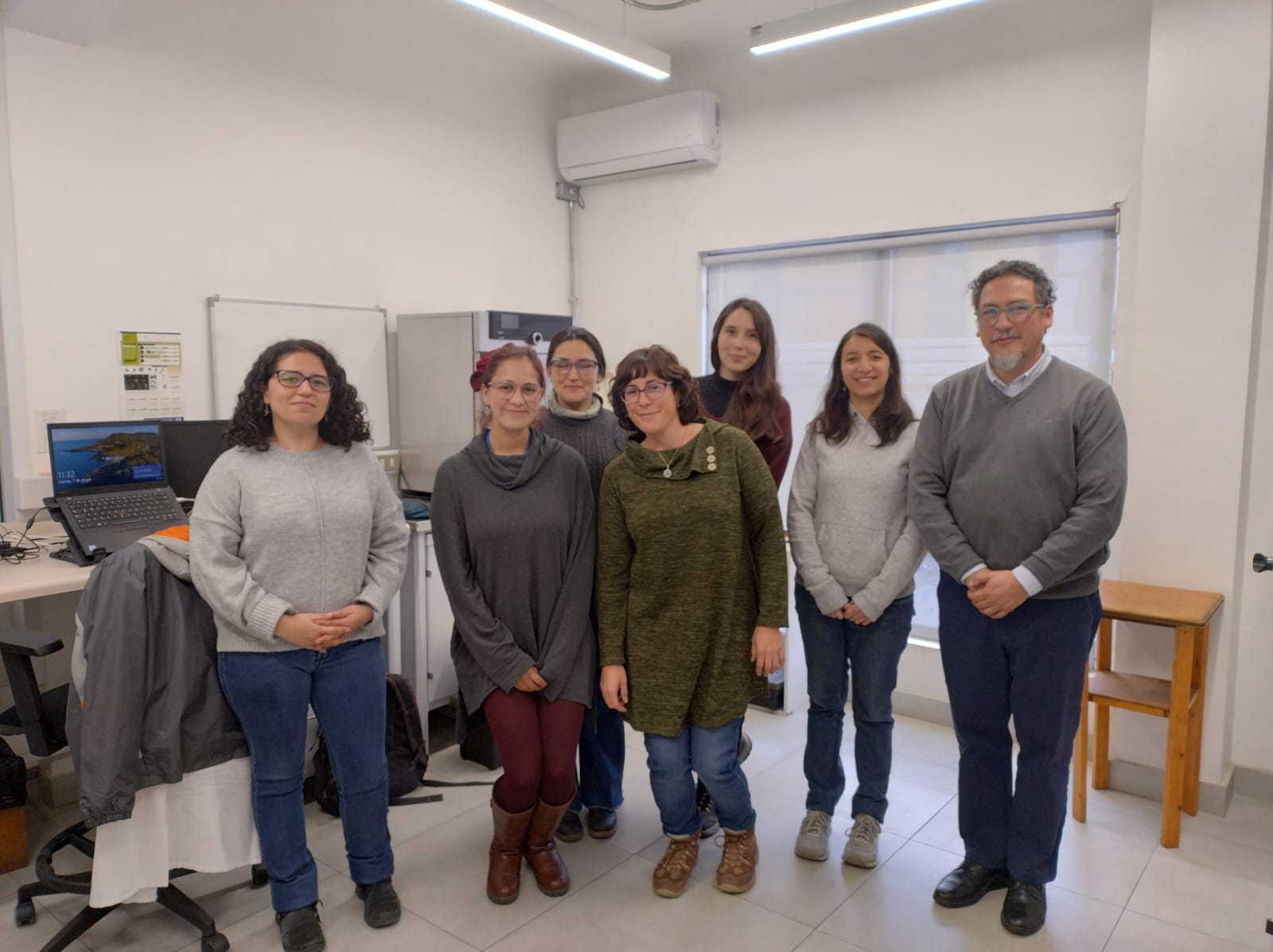
During Tuesday, May 7th ‘s morning, the Zooplankton Oceanography and Environment Department Laboratory team of professionals, Francisca Osorio, Débora Albornoz, Yanara Figueroa, Katty Donoso, Jessica Bonicelli, and the head of the Oceanography Section, Hernán Reyes met with Sergio Quiroz, Director of the Museum of Natural History of Valparaíso (MHNV), and Javiera Leiva, in charge of the biological collections of the MHNV. Museum professionals shared their experience in curating and maintaining biological samples. This information is of vital importance for...