



14 May 2026
 Between April 14 and 16, IFOP’s Repopulation and Cultivation (RyC) team delivered seeds of key resources to strengthen Small-Scale Aquaculture (APE) in southern Chile.
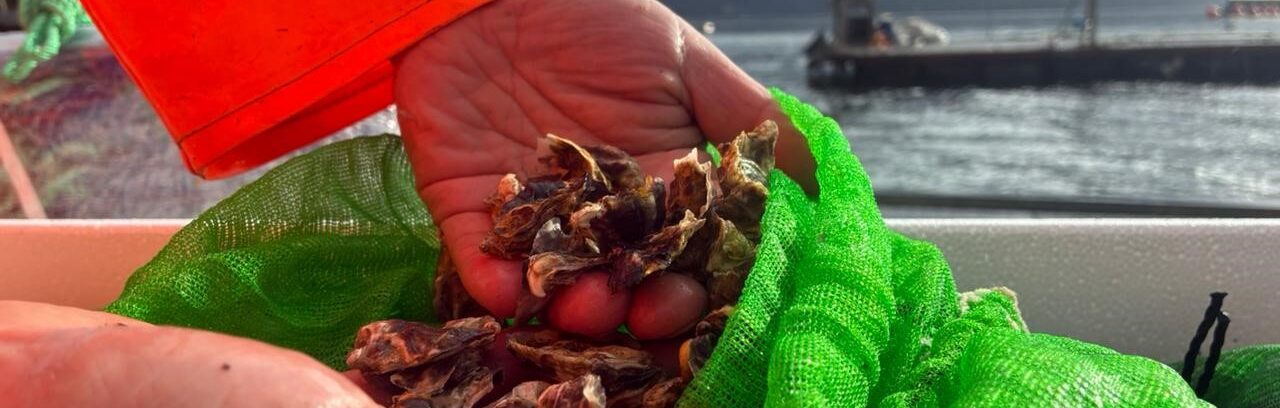
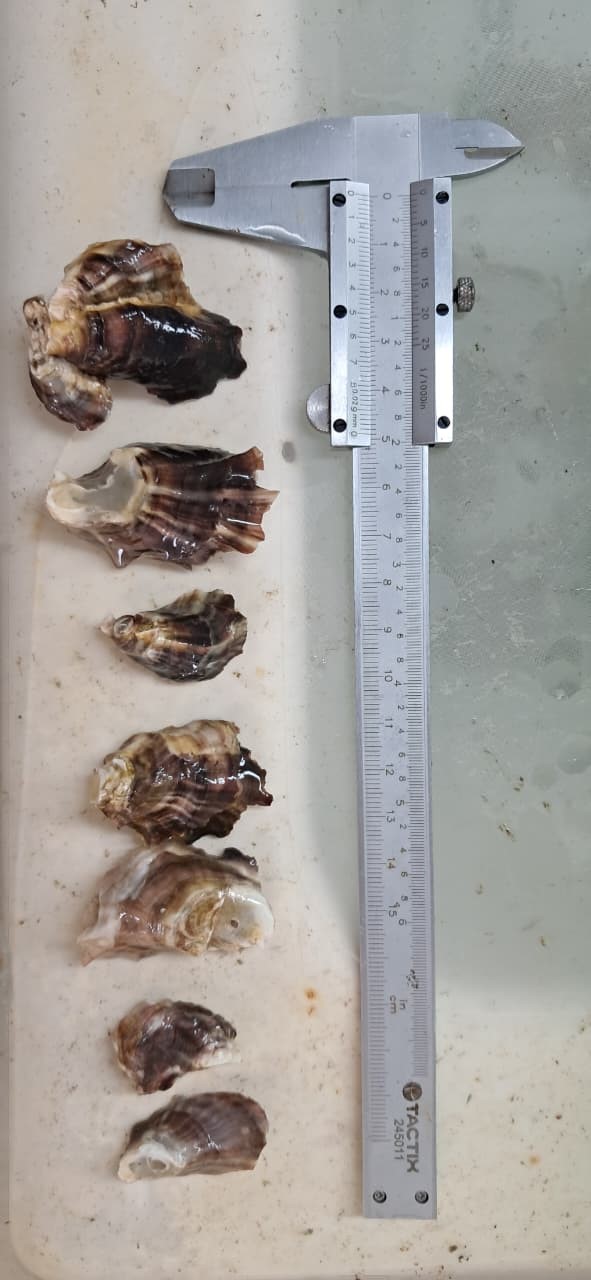
The IFOP Repopulation and Cultivation team delivered seeds of northern scallop (Argopecten purpuratus) and Japanese oyster (Magallana gigas), produced at the hatchery of the Hueihue Experimental Center in Chiloé.
Seeds at the IFOP Hueihue Hatchery
This transfer represents the final stage of production in a controlled environment and is part of the objectives of the “Comprehensive Aquaculture Development Program for Artisanal Fishers and Small-Scale Aquaculture Farmers,” implemented by IFOP with the Undersecretariat of Fisheries and Aquaculture (SUBPESCA) as its technical counterpart.
In this regard, the Program Director, Dr. Francisco Cárcamo, indicated that four APE initiatives were selected for this stage, representing diverse environmental, technological, and organizational contexts:
Beneficiaries and Projections
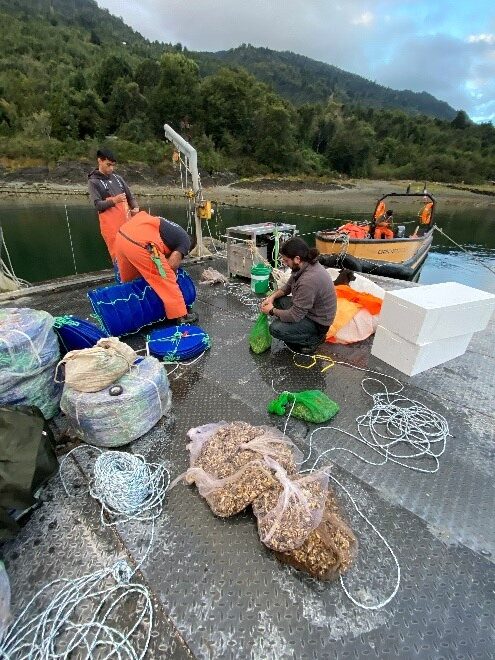
- Cochamó (April 14): 16,000 Japanese oyster seeds were transferred to the Cascajal Seedling Workers’ Cooperative, which seeks to diversify its aquaculture production in its AMERB (Area of Protected Natural Areas) in the Puchueguín sector, Cochamó commune.
- Achao (April 15): 2,500 northern scallop seeds were delivered to the Achao Island High School. Professor Marcelo Moya, in charge of the aquaculture program, along with the students, placed the scallops in culture lanterns to complete the growth cycle on the school’s land.
- Corral (April 15): The Robalito Union received 8,000 Japanese oyster seeds. The organization already has experience in oyster farming and is currently developing an innovative polyculture system for mussels, algae, and oysters.
- Maullín (April 16): 8,000 oyster seed were transferred to the center managed by aquaculturist Lucía Miranda, who leads the development of co-cultures of oysters and scallops in the Maullín River.
Strategic Importance
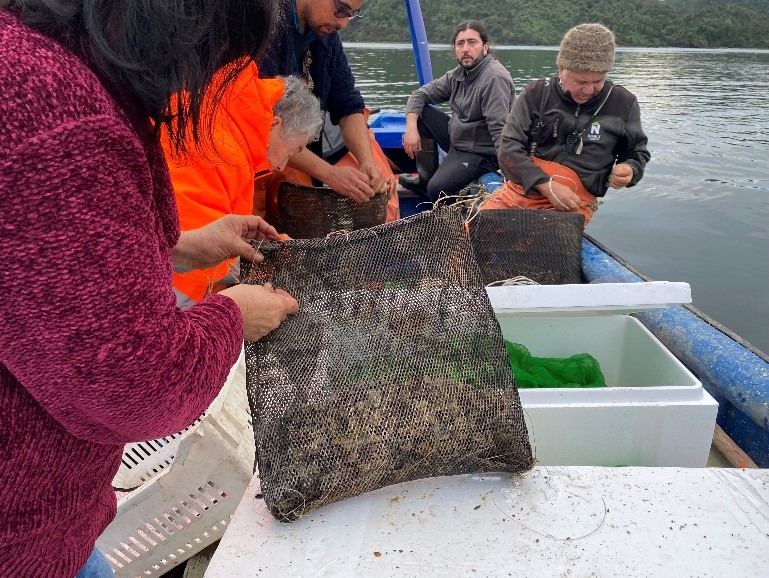
Sergio Mesa, technical counterpart, highlights the importance of this milestone for the sector, indicating that, as the Aquaculture Division of the Undersecretariat of Fisheries and Aquaculture, this Program is highly relevant because it has allowed us to advance in specific areas from the perspective of research, technology transfer, diversification, and training, all in support of the sustainable development of small-scale aquaculture. This current seed transfer will allow for the incorporation of more aquatic resources into the national aquaculture landscape and will provide training for artisanal fishers, artisanal fishing associations (APEs), and polytechnic high schools that offer aquaculture technician programs. This initiative is further complemented by another area we have been working on in conjunction with IFOP, which involves studying social skills, also known as soft skills (leadership, communication, organizational maturity), within artisanal fishing organizations, as this factor is crucial for the development of this sector.
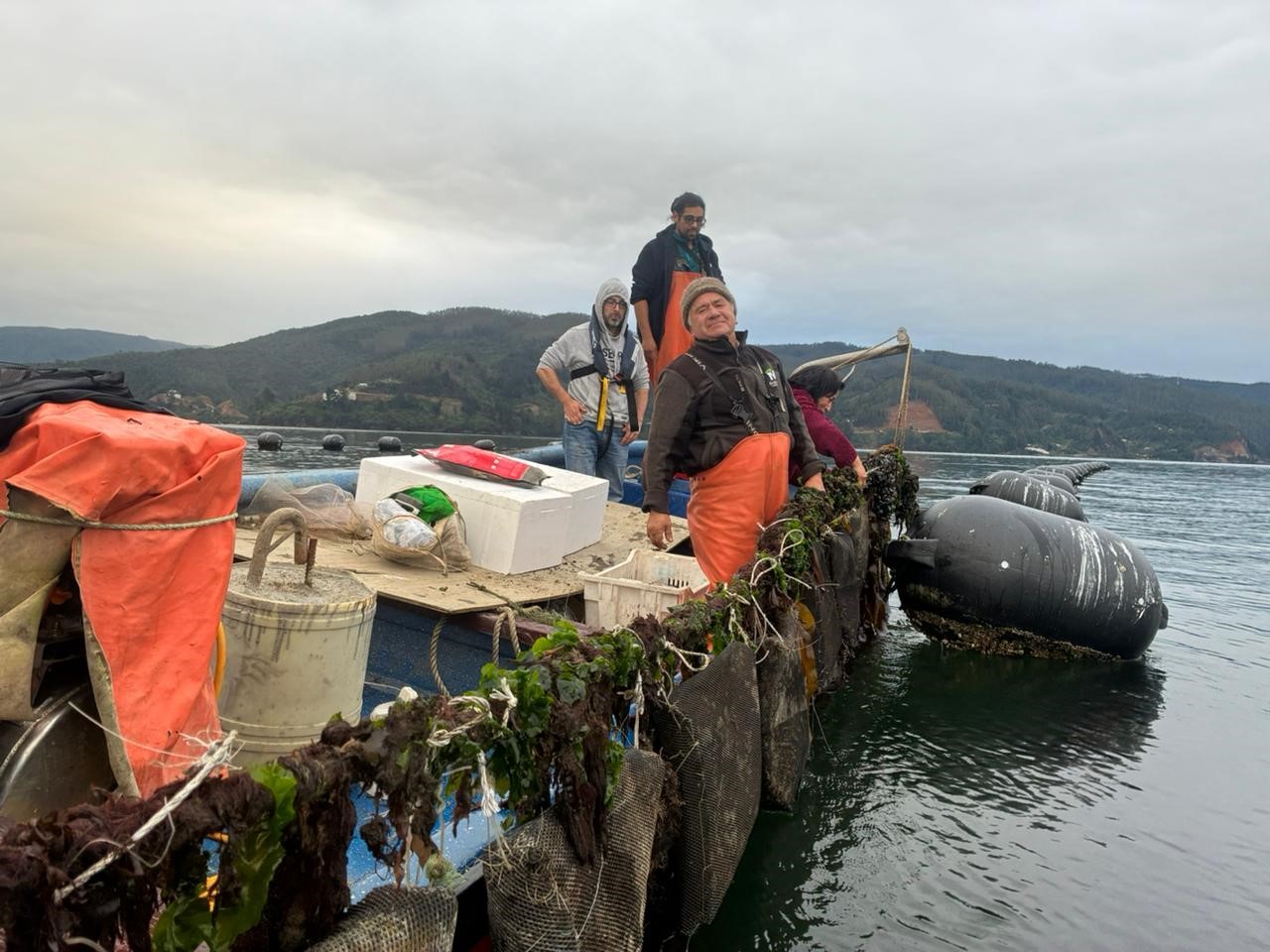 Finally, the IFOP Repopulation and Cultivation team extends its gratitude to Cultivos Cholche for their support in the initial fattening of the seed in Hueihue Bay, and to AquaPacífico for the donation of cultivation lanterns to the high school.