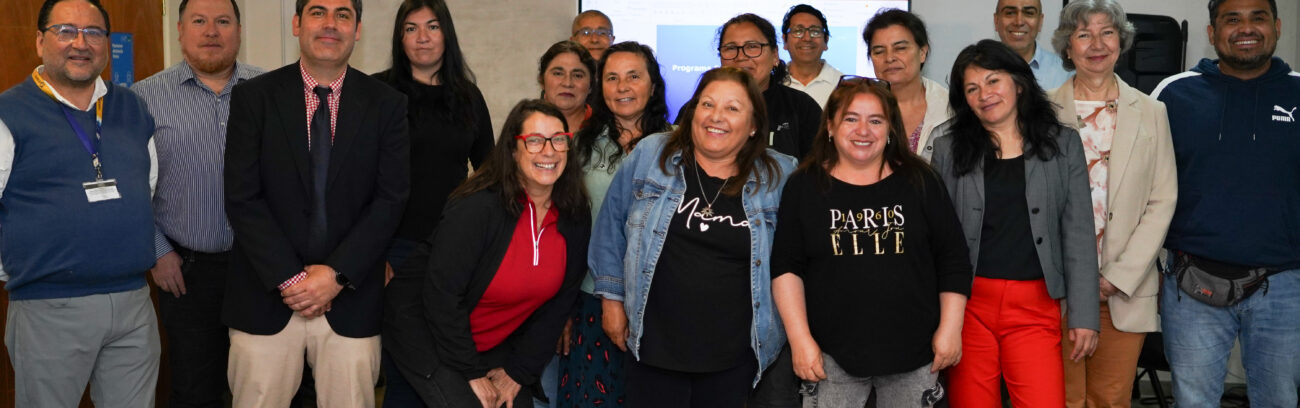
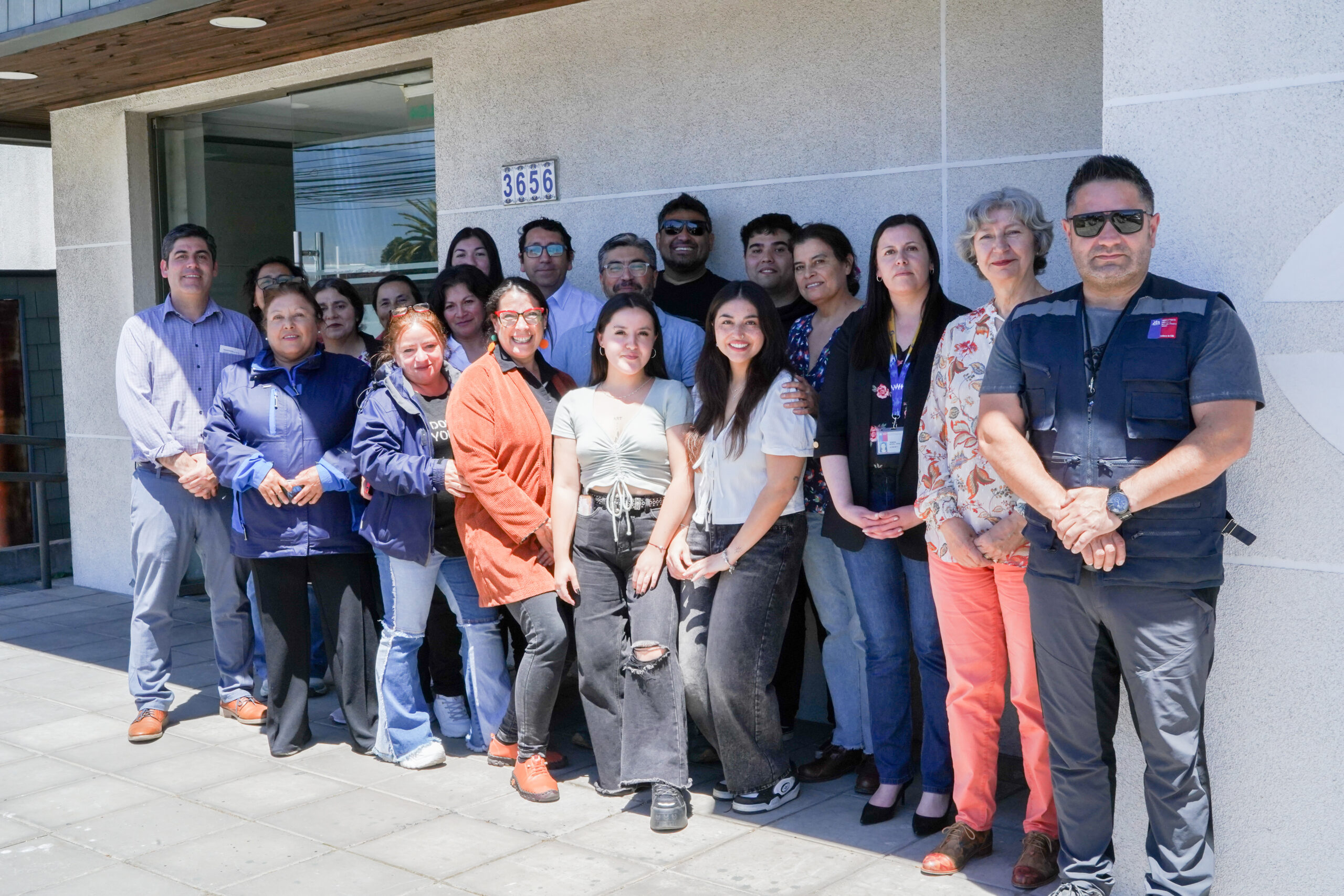
At the facilities of the Fisheries Development Institute, Talcahuano Headquarters, the Second Workshop of the Benthic Fisheries Monitoring Project (PSPB) was held between November 17 and 20, which included the presence of Scientific Observers from the regions of O’Higgins, Biobío and Los Ríos. This instance was intended to address four topics:
- Learn about the general functioning of the National Fisheries and Aquaculture Service (Sernapesca) and its work within the framework of the Bivalve Mollusk Sanitary Program (PSMB).
- Update the knowledge associated with the Arauco Gulf Management Plan.
- Learn general aspects about algae.
- Review topics associated with the Benthic Fisheries Monitoring Program.
Each topic was addressed with regional guests. Thus, the presentations from Sernapesca were delivered by Iván Oyarzún Mundaca, Marine Biologist, currently serving as Acting Regional Director of Biobío, and by Claudio Durán Muñoz, Veterinarian specialized in Quality Assurance Programs. On the other hand, the topic related to the Arauco Gulf Management Plan was presented by the Zonal Fisheries Directorate of the Ñuble and Biobío regions, represented by Carlos Veloso Romero, Marine Biologist and Lawyer, who serves as the Benthic Fisheries and Caletas Law Officer, among other roles, together with Roberto San Martín Valdebenito, Marine Biologist and researcher at the Fisheries Department of INPESCA, directly linked to advisory work for the Management Plan.
During the second day, participation included Erasmo Macaya Horta, Marine Biologist and PhD in Marine Biology, whose main research line focuses on the study of marine macroalgae. He works at the University of Concepción and delivered a presentation on macroalgae, emphasizing the species commercialized in Chile, followed by a practical activity for species identification. From IFOP, the workshop benefited from the valuable participation of Pablo Araya, Marine Biologist and semi-senior researcher of the Benthic Fisheries Monitoring Project.
Throughout the workshop, participants had high interaction with each guest, where they clarified doubts, discussed issues, and achieved significant collective learning. This activity highlighted the collaborative approach among participating institutions, including Nelson Salas Jiménez, Marine Biologist and coordinator of the project’s observer team.
IFOP senior researcher Nancy Barahona Toledo, responsible for this geographical area within the project and organizer of the workshop, stated: “This instance allowed us to advance in the training of Scientific Observers, creating a space for learning and strong collaboration, which will undoubtedly have a positive impact on the Benthic Fisheries Monitoring Project.”
For his part, IFOP Regional Director Sergio Flores Claramunt highlighted the importance of these instances with interregional work teams to strengthen and standardize operating criteria. He also emphasized the quality of the presenters and the presentations by the collaborating institutions. The closing practical activity was very illustrative for the identification of macroalgae species.