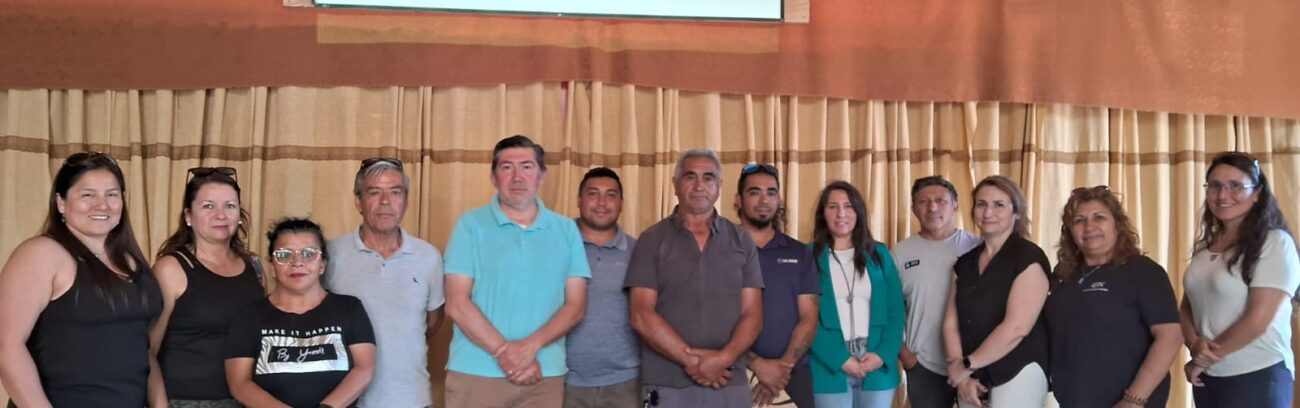
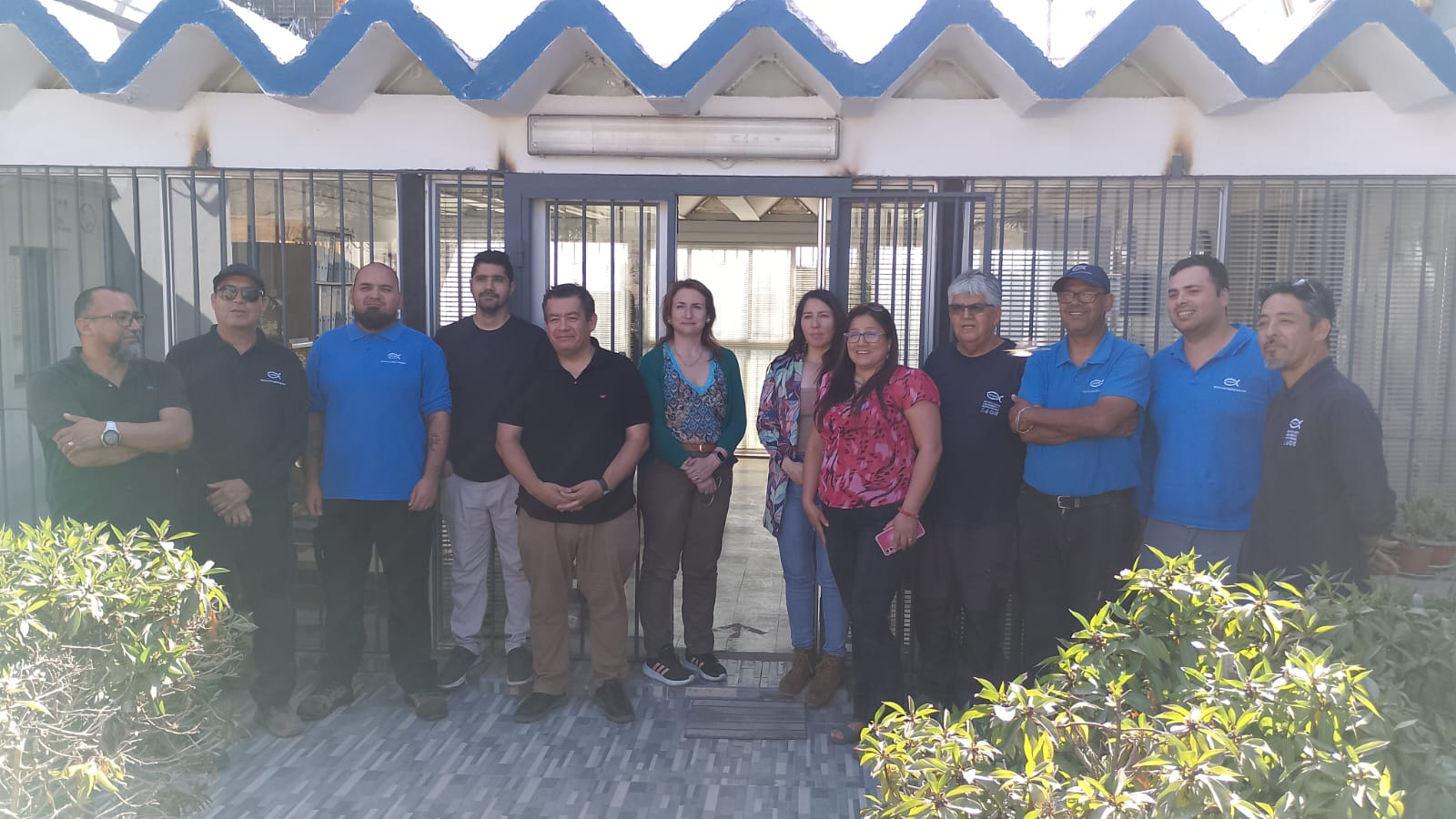
 Between November 25 and 27, within the framework of the Pelagic Fisheries Monitoring Program for the northern zone (between the Arica and Parinacota and Coquimbo regions), a series of meetings were held to disseminate information about the monitoring program and strengthen the relationship with the fishing sector and the work of the Scientific Observers (SOs). Meetings were coordinated with the SOs at the various IFOP bases, primarily addressing form completion procedures and technical inquiries. The importance of maintaining fluid communication between those participating in the sampling process and the teams at the institutional bases was also emphasized. In addition, meetings were held with the artisanal and industrial fishing sectors, with the participation of leaders, vessel owners, representatives from the Port Authority, SERNAPESCA (National Fisheries Service), and SUBPESCA (Undersecretariat of Fisheries and Aquaculture). The objectives of the monitoring program were explained, focusing on the monitoring of the main biological processes of the anchovy species and the implications of the regulations for scientific observers, as well as the importance of data collection for the sustainability of fisheries resources. This activity was carried out with the support of SUBPESCA.
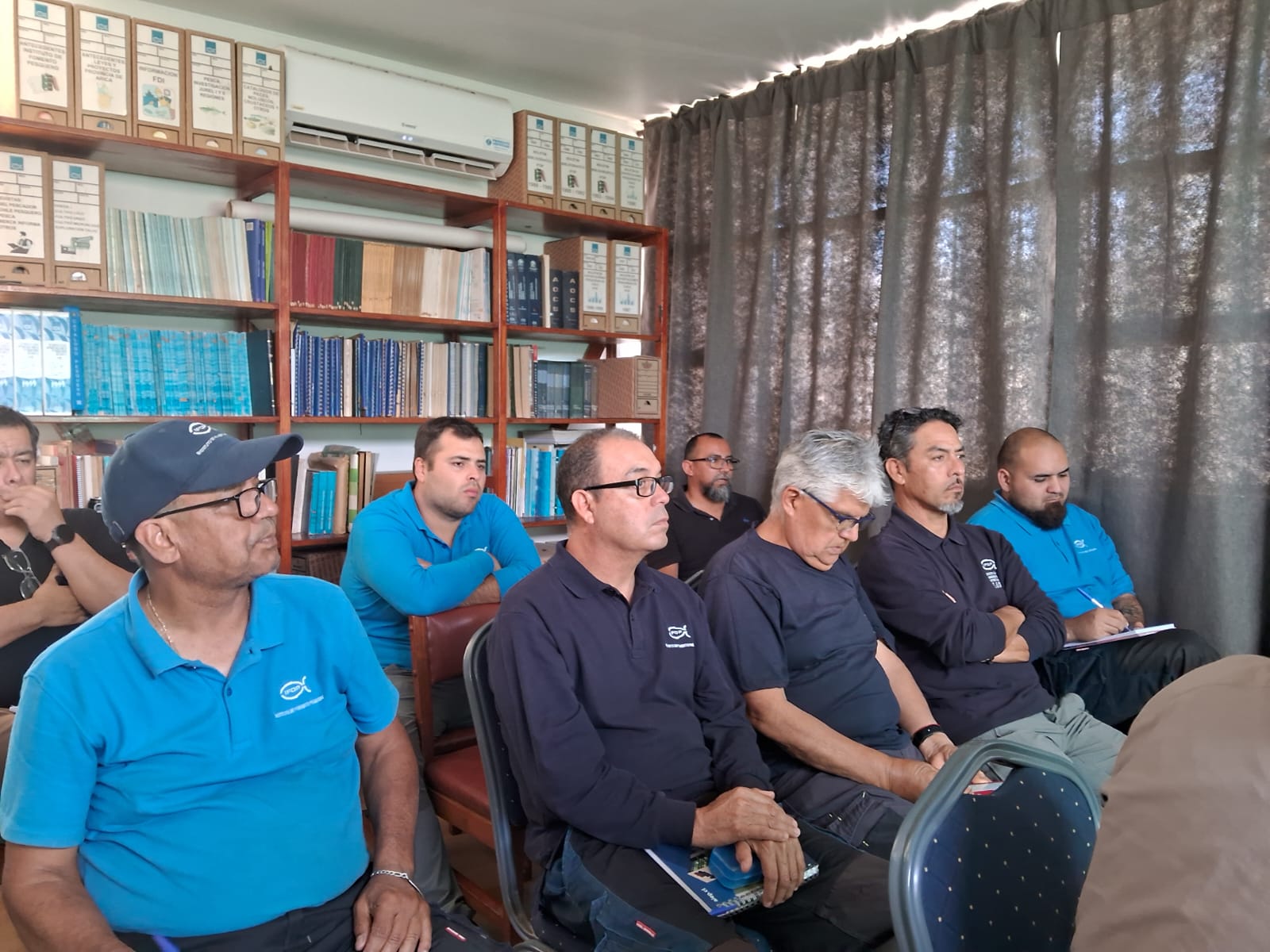 The meetings were conducted by an IFOP (Fisheries Development Institute) team led by Carola Hernández, project manager of the monitoring program, along with Ljubitza Clavijo, a researcher with the program, and Graciela Manquehual, head of the systems section of the IT department, as well as regional directors, coordinators, and researchers from each base.
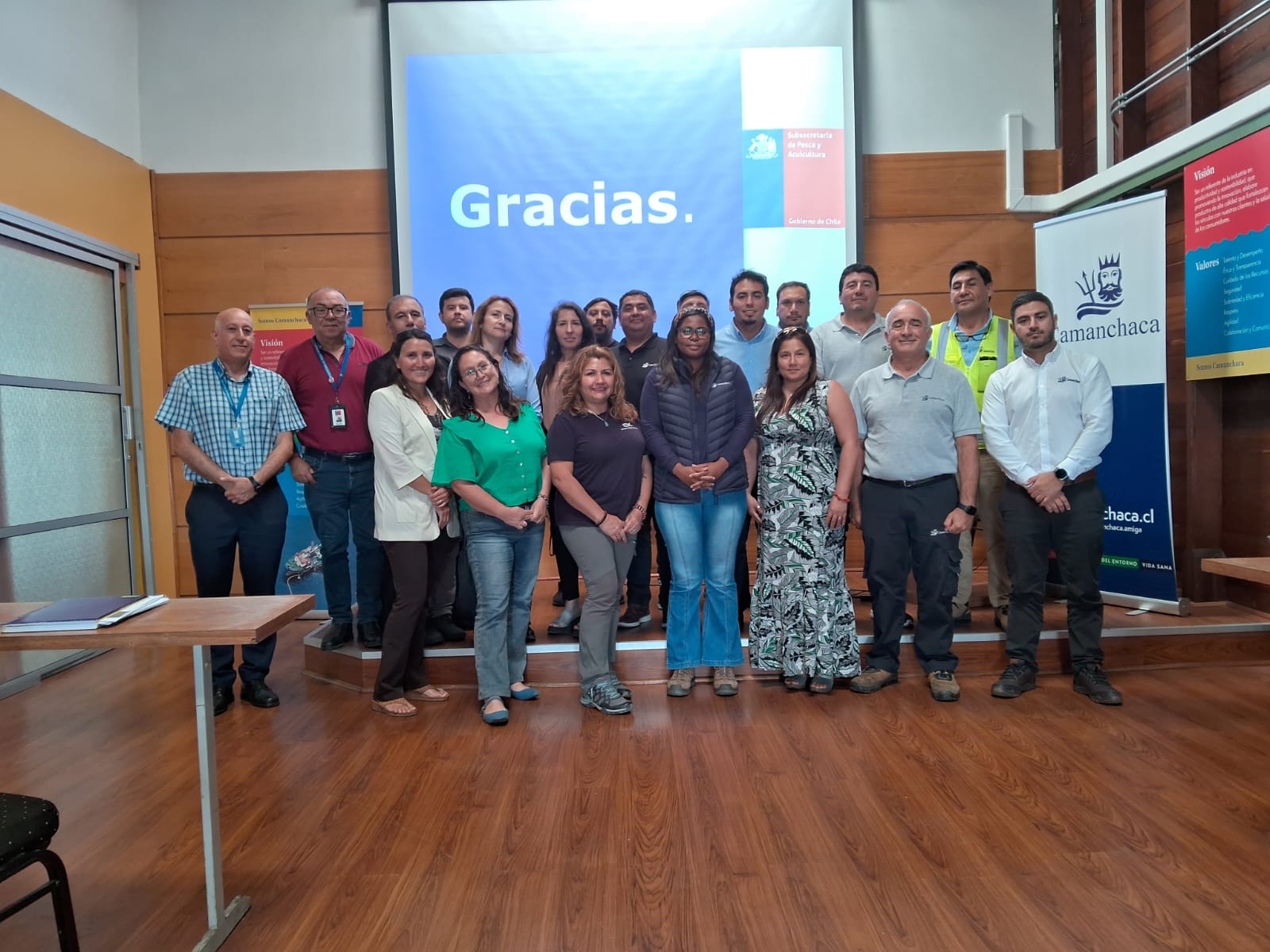
The first day of activities took place on Tuesday, November 25th. The IFOP team, along with regional director Claudia Molina and field coordinator Carolina Navarro, met with the Scientific Observers at the base and, in the afternoon, with the fishermen’s association ASOQRMEJ. On Wednesday, November 26th, in Iquique, the activities began with a technical meeting with the Scientific Observers at the local base. In the afternoon, the team traveled to the Camanchaca Fishing Company for an expanded meeting with representatives from the artisanal and industrial sectors. The Undersecretariat of Fisheries and Aquaculture (SUBPESCA) also participated, presenting on current regulations and emphasizing the importance of collaboration to ensure the quality of fisheries data.
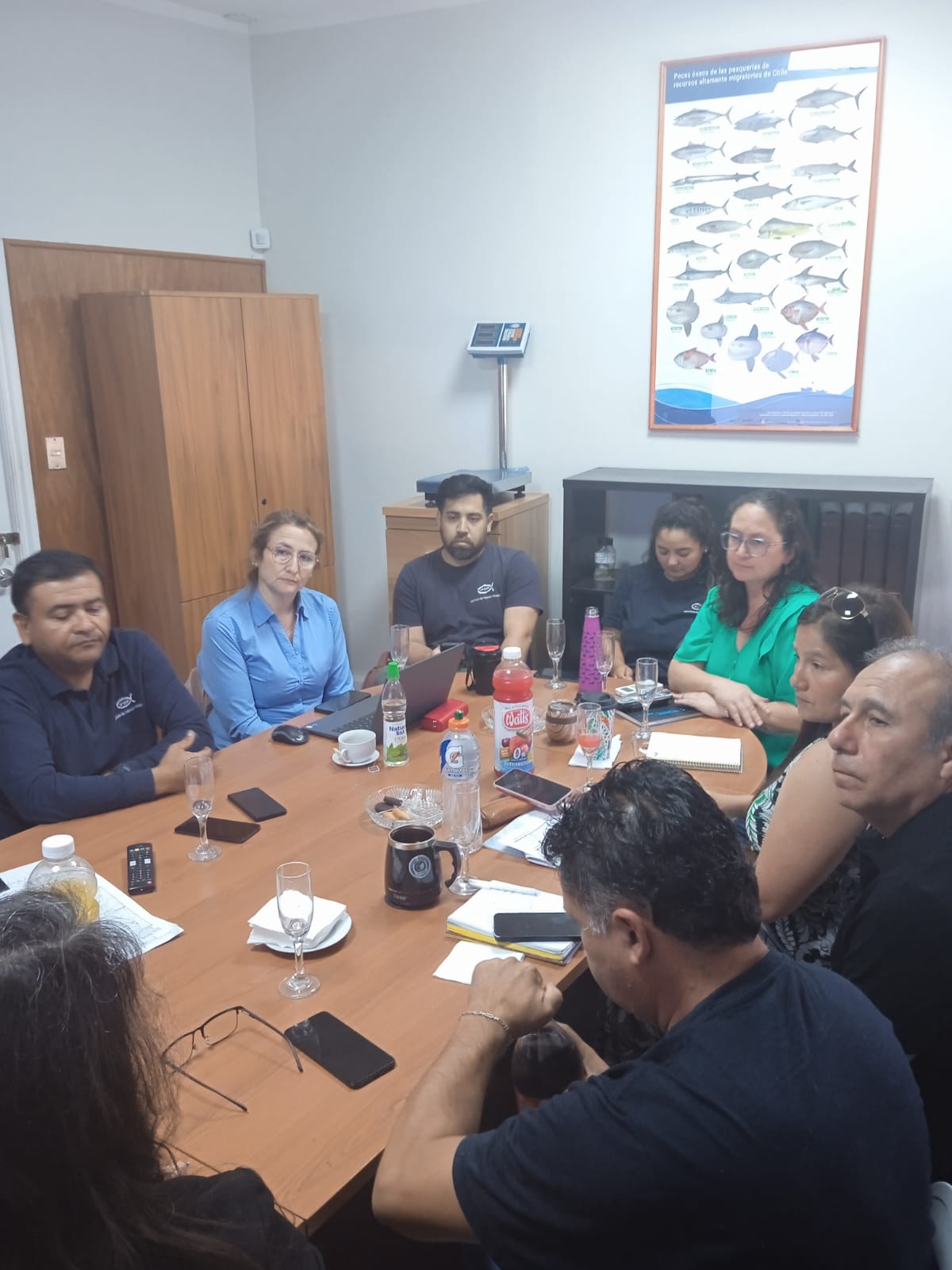 The final session took place on Thursday, November 27th in Arica, with the participation of Regional Director Hernán Padilla and Field Coordinator Patricio Muñoz. In the morning, a meeting was held with representatives from the artisanal and industrial fishing sectors, including leaders, vessel owners, and representatives from Corpesca Fishing Company, the Port Authority, SERNAPESCA (National Fisheries Service), and SUBPESCA (Undersecretariat of Fisheries and Aquaculture). This meeting provided an opportunity to gather concerns, review operational aspects, and strengthen the coordination mechanisms necessary to improve the collection of biological and fisheries data. In the afternoon, a workshop was held with both in-person and online participation from the Scientific Observers based in Arica, Iquique, Mejillones, and Coquimbo. The workshop focused on standardizing procedures, reviewing forms, and strengthening teamwork.
 These sessions highlighted the excellent willingness of the various actors (public, private and community) to work together to strengthen fisheries monitoring processes, a fundamental aspect to guarantee quality information and move towards sustainable management of pelagic resources in the north of the country.