


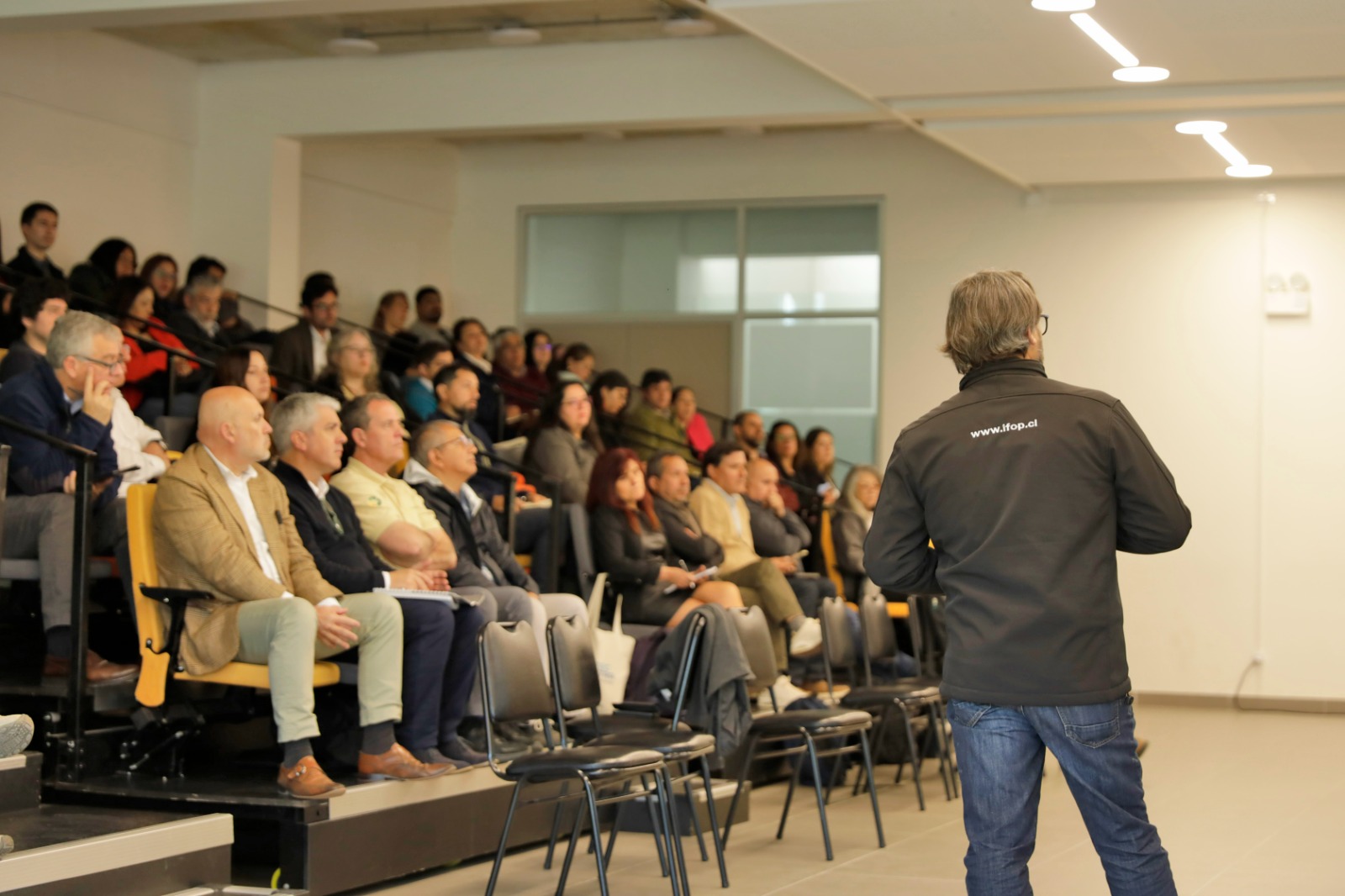
 The Mussel Larval Monitoring Program of the Fisheries Development Institute (IFOP) actively participated in the 10th Seminar on Research and Innovation Applied to Mussel Farming (SIIAM), held on November 27 at the CEDUC UCN-Castro facilities. The event brought together leading researchers, academics, and representatives from the production sector, solidifying its position as a key forum for the exchange of scientific knowledge and collaboration with the mussel farming industry. In this context, Dr. Cristian Segura Rivera, a researcher at IFOP, presented the paper “Mussel Seed Collection and Detachment Behavior in Environmentally Contrasting Zones.” This presentation generated significant interest due to its findings on anomalies linked to physical factors such as temperature and salinity, associated with food availability for broodstock, as well as variations in pre-competent and competent larval abundance and seed detachment at the Yates and Compu stations, analyzed from a time-series perspective. Also in attendance were professionals from the program: M.Sc. Cristina Stuardo, M.Sc. (c) Óscar Ramírez, and Macarena Herrera.
The event was characterized by its dynamism and multidisciplinary approach, featuring oral and poster presentations that addressed highly relevant lines of research for the sector’s development. Among the topics discussed were studies on oxidative stress, the effects of dinoflagellate toxins on bivalve aquaculture, innovation in circular economy production models, advances in traceability and safety during product transport, genetic connectivity of mussels in different locations, and the presence of microplastics in the marine environment. Within this framework, IFOP highlighted the role of the Mussel Larval Monitoring Program, an initiative of the Environmental Department of the Aquaculture Research Division, which is currently strengthening its territorial reach through the Endemic Seed platform. This platform provides broader access to updated, validated, and strategically valuable information for the mussel farming sector.
These meetings also represent a key opportunity to network with other working groups, share experiences, and enrich perspectives on the challenges facing the sector. From the technical discussions and questions generated at the seminar, new lines of research and inter-institutional collaborations emerged, allowing for joint efforts to be directed toward emerging problems and a comprehensive understanding of the ecological and productive processes associated with mussel farming. In this regard, the Monitoring Program team emphasized the importance of participating in these forums, where applied science engages directly with the needs of the region.
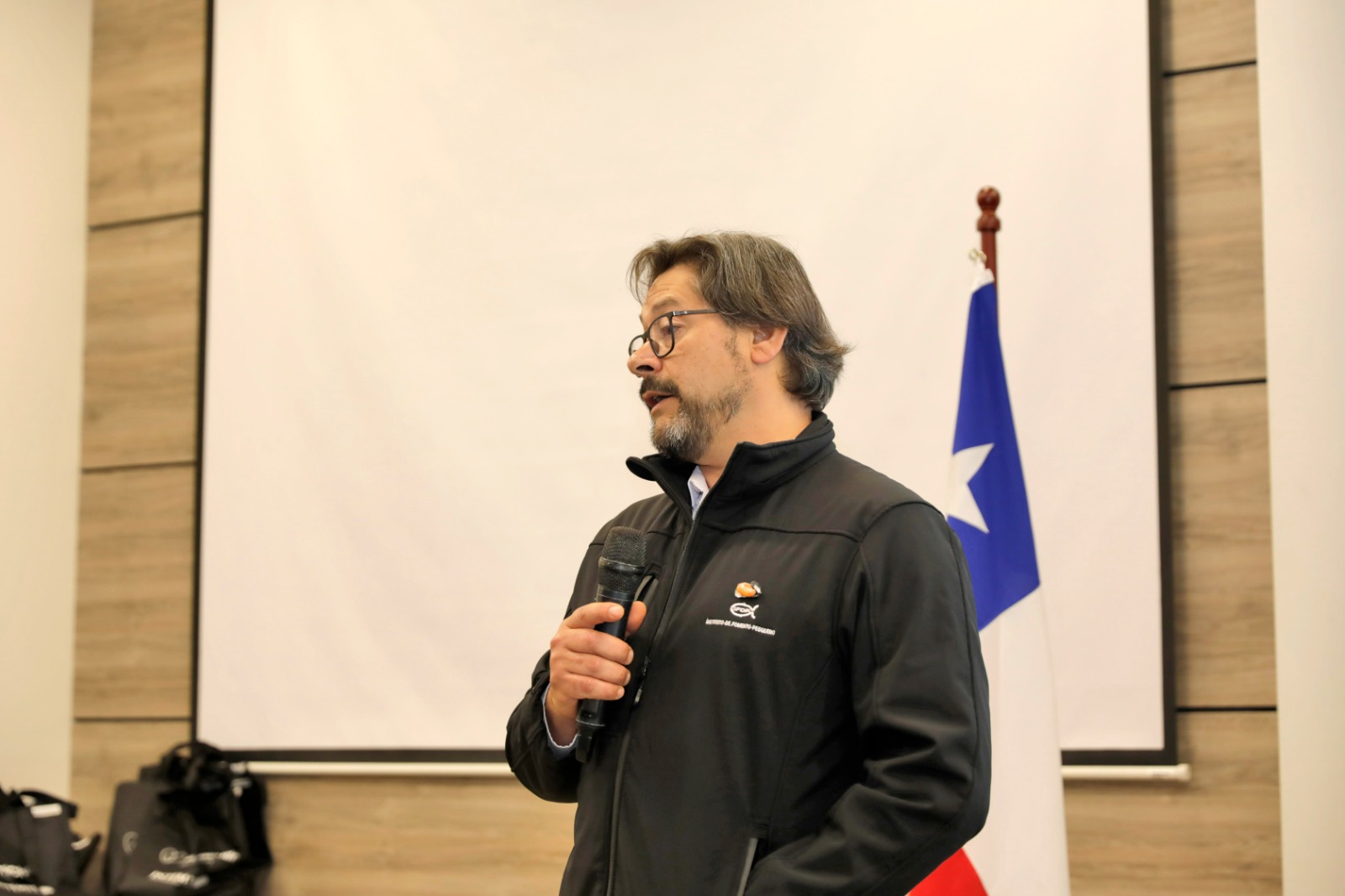 Dr. Cristian Segura’s presentation garnered significant audience attention, prompting numerous questions and a particularly enriching technical exchange. The questions that arose after his presentation reflected the sector’s interest in understanding in depth the patterns of environmental variability and their direct influence on seed availability—fundamental knowledge for production and management decisions. This interaction also facilitated the planning of new collaborations between universities, institutes, and industry stakeholders, reinforcing the value of generating accessible and relevant public science.
A particularly significant moment of the seminar was the recognition given to Dr. Cristian Segura Rivera for his historic contribution as the manager and creator of SIIAM a decade ago, when he served as Head of Projects at INTEMIT. The tribute acknowledged his vision and initial commitment to consolidating this scientific forum, a task that continues today with distinction under the leadership of Dr. Camila Barría, current Head of Projects at the Institute of Mussel Farming Technology. IFOP extended its gratitude to INTEMIT and AMI Chile for their ongoing support in organizing and promoting the seminar, emphasizing that this collaboration has allowed for the maintenance and strengthening of a flagship event for the sustainable development, innovation, and competitiveness of Chilean mussel farming.
Press related links: