

 The Fisheries Development Institute (IFOP) actively participated in EXPO Quellón 2026, organized by the Illustrious Municipality of Quellón. This event highlighted the importance of fishing and aquaculture activities in the southern austral region of Chile.
IFOP Participation
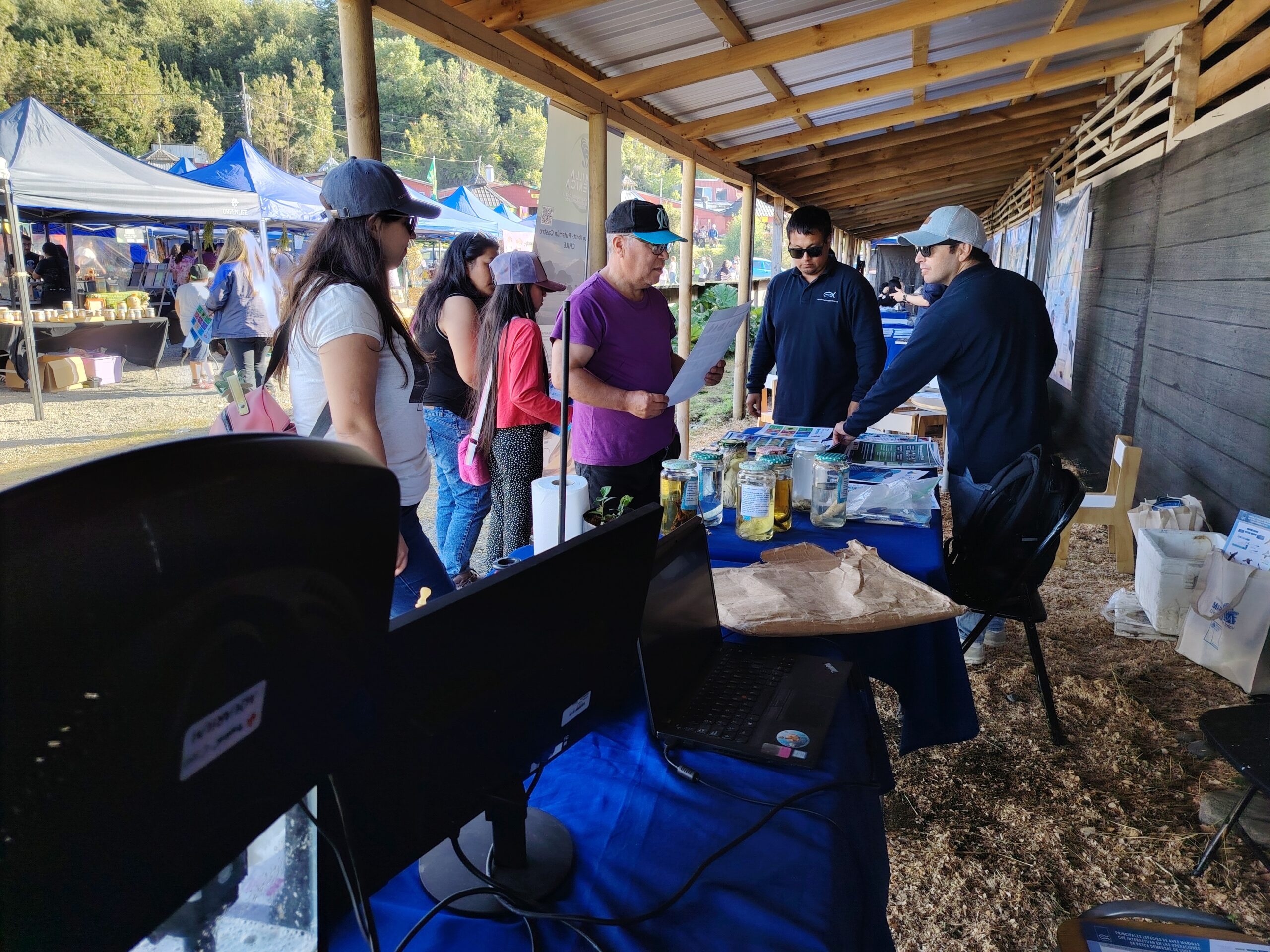
The Municipality of Quellón invited IFOP to present a sample of its scientific work. In this regard, Field Coordinator Leslie Figueroa, along with Scientific Observers Daniel Triviño and Manuel Aillapán, presented the “Sustainable Catch Scientific Observation Program,” which collects on-board data to protect hydrobiological resources of commercial importance through direct sampling. Additionally, Semi-Senior Researcher Cristian Segura presented the “Mytilid Environmental and Larval Monitoring Program,” which provides data on larval abundance, phytoplankton, and environmental variables for sustainable mussel (Mytilus chilensis) seed collection, promoting efficient mussel farming via platforms such as Semilla Endémica.
Recognition and Interaction with Attendees
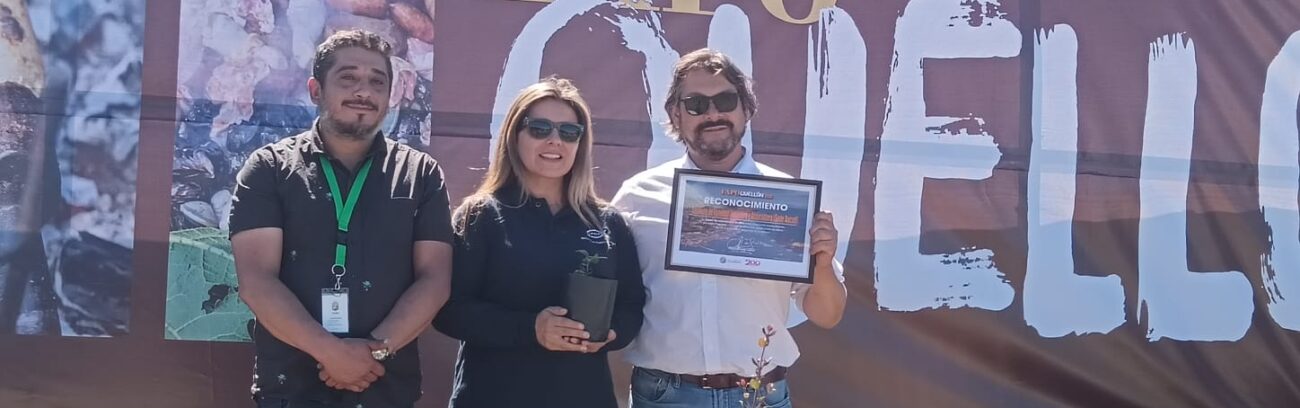
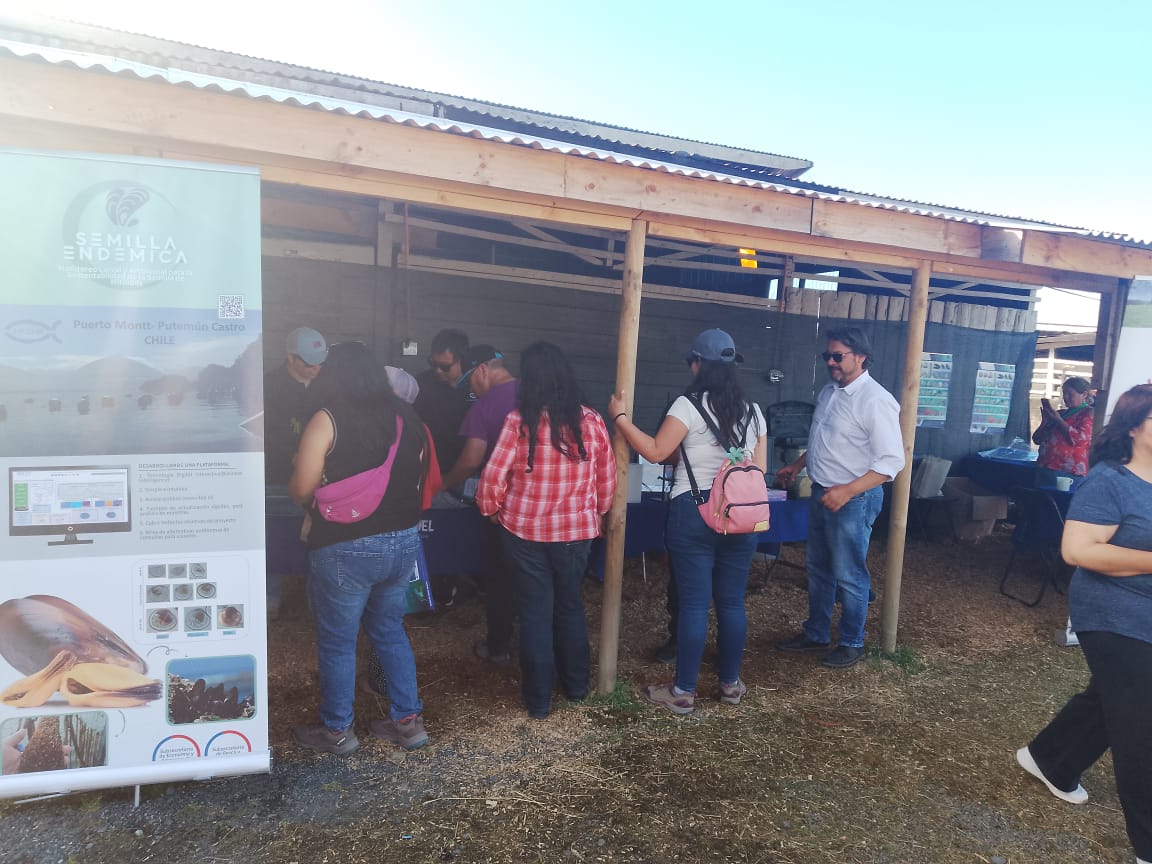 The Municipality of Quellón presented a special recognition for IFOP’s participation in the event. A large number of attendees visited the IFOP stand to inquire about its activities, receiving various outreach materials and learning about the relevance of regional mussel farming, especially regarding mytilid seeds.
Demonstrative Activities
Demonstrations were held on various pelagic resources of commercial importance subject to commercial fishing, and educational activities were conducted with mussels, showing their internal morphology such as gills and their ability to capture and concentrate food like microalgae. These microalgae can occasionally contain toxins that may affect human health (e.g., Red Tide – Paralytic Shellfish Poisoning); therefore, shellfish consumption should always take place in established locations authorized by the Health Authority (Health Service).
IFOP, with more than 60 years of supporting sustainable fisheries and aquaculture development, reaffirms its commitment to the community, together with the Undersecretariat for Fisheries and Aquaculture.