

Región del Maule, December 3, 2025.
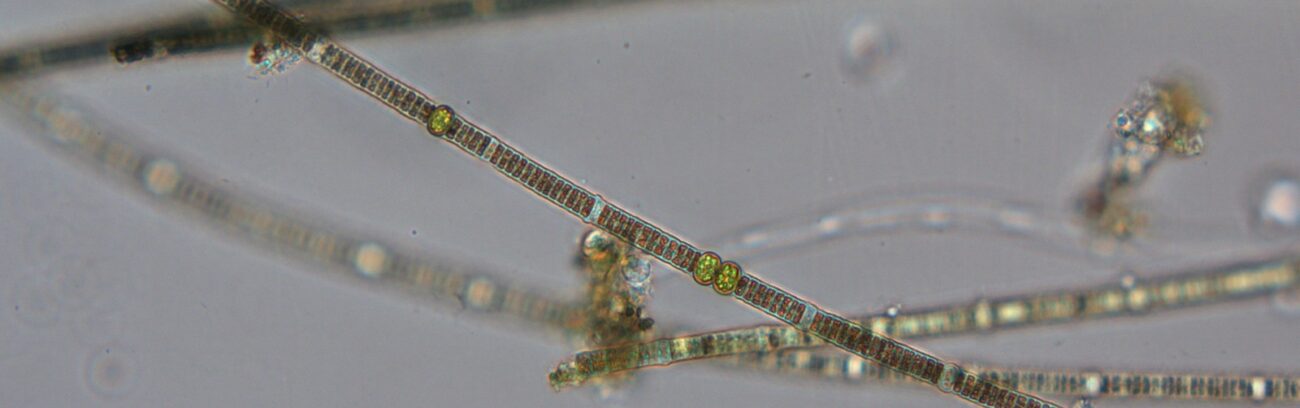
Dr. Claudia Pérez, Senior Researcher of the Aquaculture Research Division of the Fisheries Development Institute (IFOP), comments on the samples from Lake Vichuquén
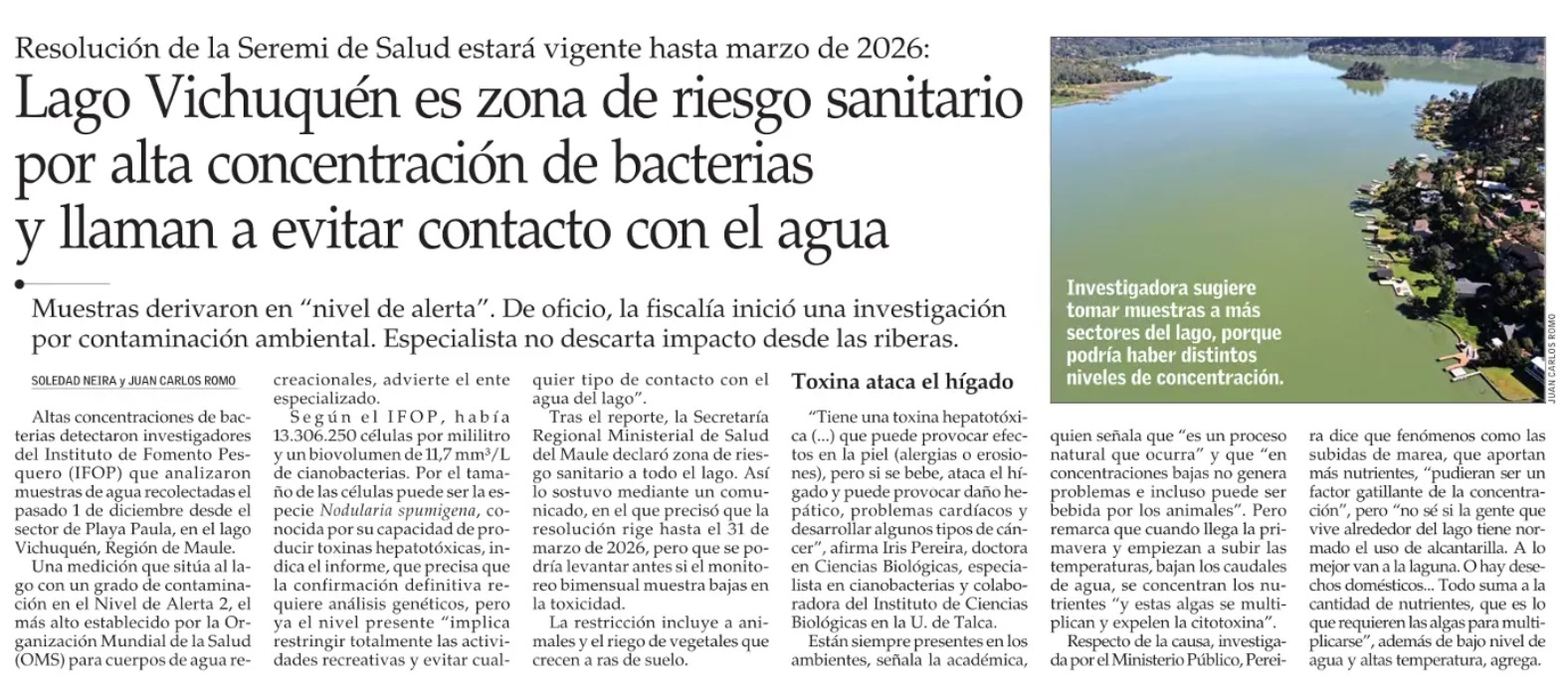
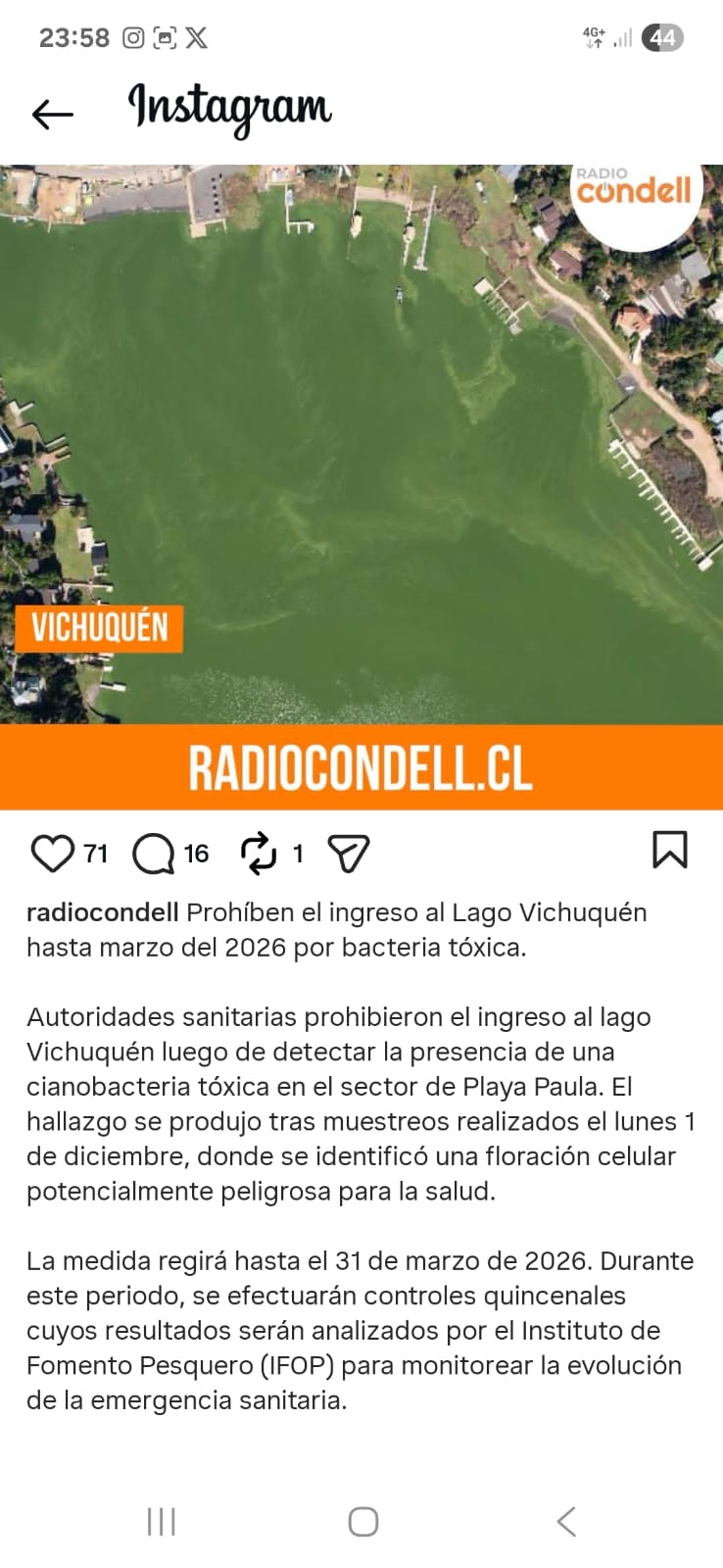
An intense cyanobacterial bloom was recently detected in Lake Vichuquén, after the Ministry of Health (MINSAL) requested the Fisheries Development Institute (IFOP) to carry out a specialized analysis of water samples due to the presence of discoloration and algal proliferation in the area.
Lake Vichuquén, a coastal water body with strong marine influence, presents stratification by density and low oxygen levels at the bottom—conditions that have historically favored eutrophication episodes and algal blooms. According to previous reports (DGA 2018; EULA 2016), this ecosystem shows high nutrient and chlorophyll levels, which have allowed recurrent cyanobacterial events. Samples taken at Playa Paula confirm the presence of the genus Nodularia.
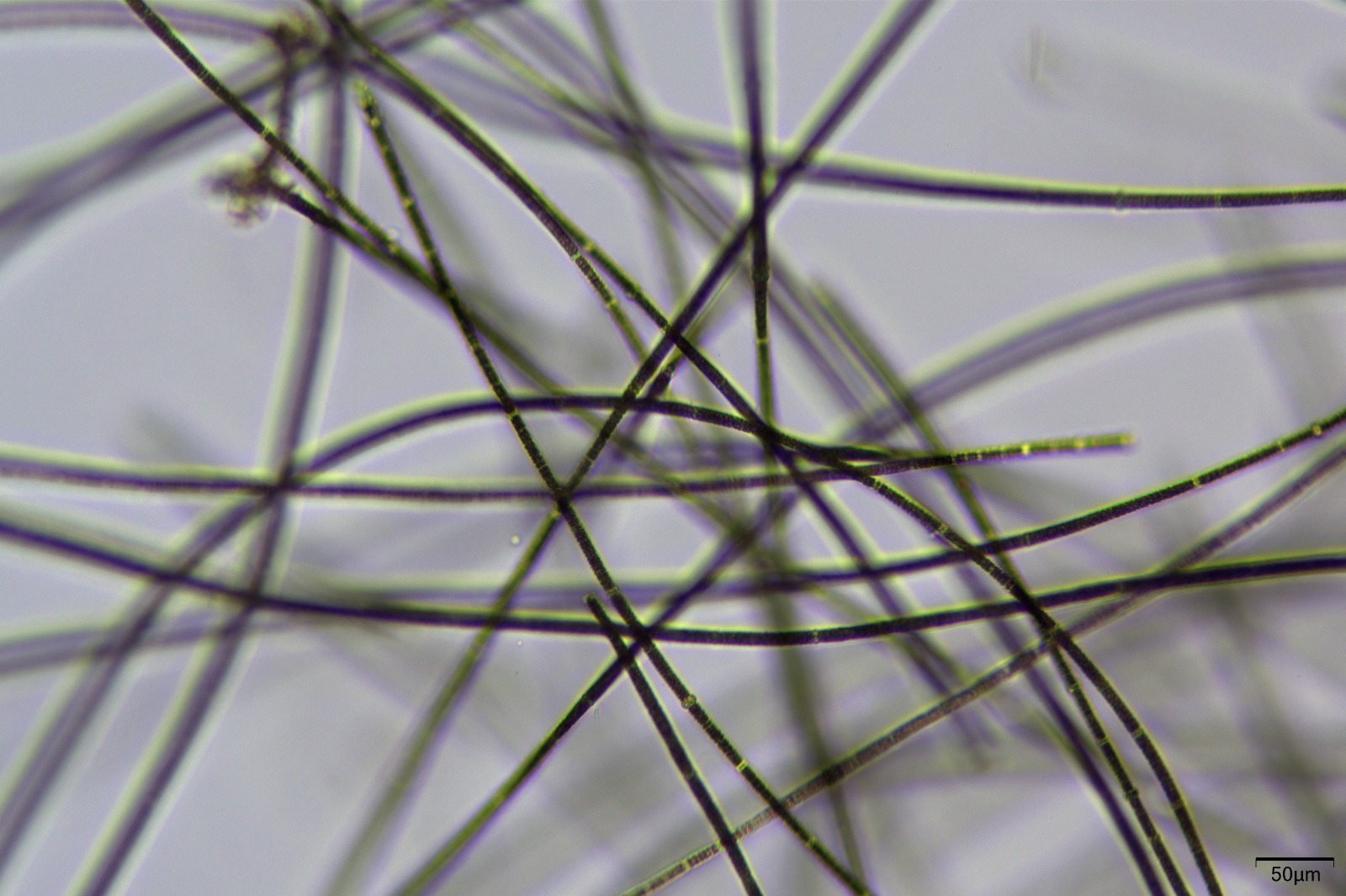
On December 1, MINSAL professionals collected samples in the Playa Paula sector. The phytoplankton analysis carried out by IFOP, through inverted microscopy and biovolume measurements, determined—according to morphological characteristics such as straight or slightly curved filaments, vegetative cells wider than they are long, intercalated heterocysts, and larger akinetes—that the bloom is composed of cyanobacteria of the genus Nodularia.
The size of the cells matches reports for the species Nodularia spumigena, widely known for its ability to produce hepatotoxic toxins. However, IFOP noted that the definitive confirmation of the species requires additional genetic analyses.
High abundance levels exceed the World Health Organization (WHO) alert thresholds
The results revealed a concentration of 13,306,250 cells per milliliter and a biovolume of 11.7 mm³/L, values that place this bloom at Alert Level 2, the highest established by the World Health Organization for recreational water bodies.
This level implies completely restricting recreational activities and avoiding any type of contact with the lake water, including human consumption.
The WHO has not established specific limits for the cyanotoxin nodularin—associated with some species of the genus Nodularia—but it is recommended to use the guideline values defined for microcystins due to their similar chemical nature.
Possible health risks
 The toxin nodularin, when present, can cause liver damage, gastrointestinal distress, and systemic symptoms in humans and animals. Episodes of aquatic fauna and pet mortality have been reported globally in similar events.
Therefore, recreational use of the lake should be avoided, especially by children, older adults, and people with liver conditions.
Press related links:
- meganoticias.cl
- aqua.cl
- publimicro.cl
- diariotalca.cl
- vlnradio.cl
- radiofmmas.cl
- diariolamaana-rkb.cl
- radiofmmas.cl
- TRN
- RadioNuestrafm
- 24 HORAS
- El Lector
- induambiente.com
- diarioelcentro.cl
- elmauleinforma.cl
- eldinamo.cl
- diariolaprensa.cl
- epicentrochile.com
- futurafm.cl
- siempretalca.cl
- t13.cl
- musicaynoticias.cl
- nuevopoder.cl
- radiopoesia.cl
- El Mercurio de Santiago
- elsoldeiquique.cl
- epicentrochile.com
- radiocondell.cl
- eldinamo.cl
- pauta.cl