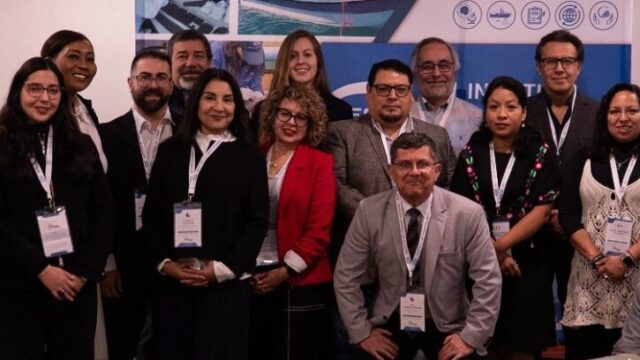
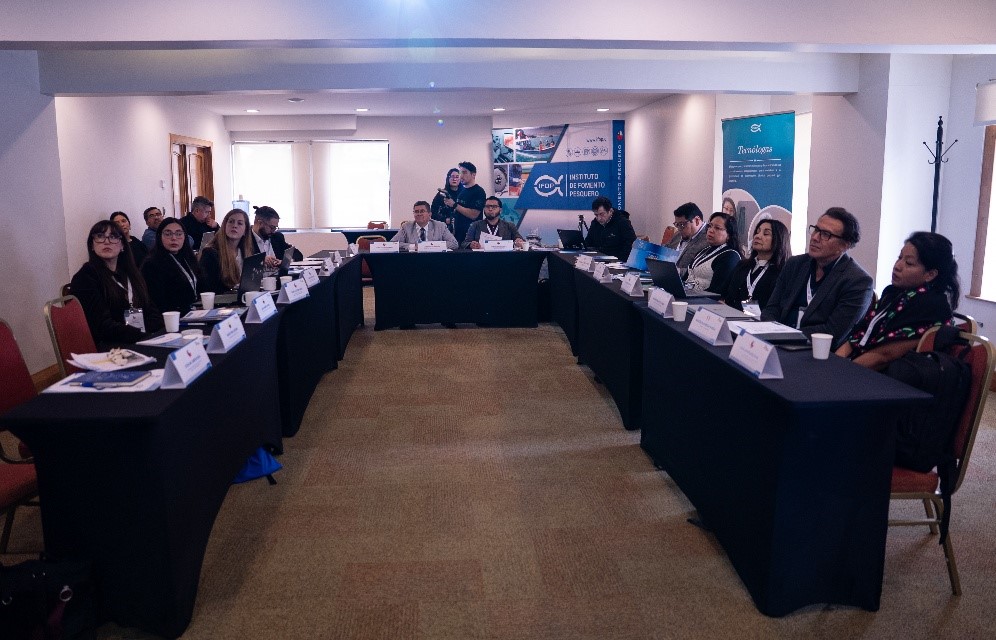
 On June 16 and 17, the in-person International Workshop of the IIPA-AP Network project, “Contributing to a comprehensive understanding of the fisheries reality by incorporating the socioeconomic dimension into the diagnostic, management, and decision-making processes in the fisheries and aquaculture sector in the Pacific Alliance countries,” was held in Viña del Mar. The project is funded by the Pacific Alliance Cooperation Fund and implemented by the Department of Economics and Statistics (DEE) of IFOP. For more information, visit: https://www.ifop.cl/nuestro-que-hacer/la-investigacion-pesquera/departamento-de-economia-y-estadistica-dee/alianza-del-pacifico/
This event featured presentations on the use of socioeconomic information in diagnostic and decision-making processes in fisheries and aquaculture by each of the member countries of the Pacific Alliance (Chile, Colombia, Mexico, and Peru), as well as by the Alliance’s observer country, Argentina. In addition, FAO Expert Daniela Kalikoski presented the talk: “Addressing the Social Dimensions of Fisheries Management.”
To watch a video of the event, click here: https://shre.ink/3a0r
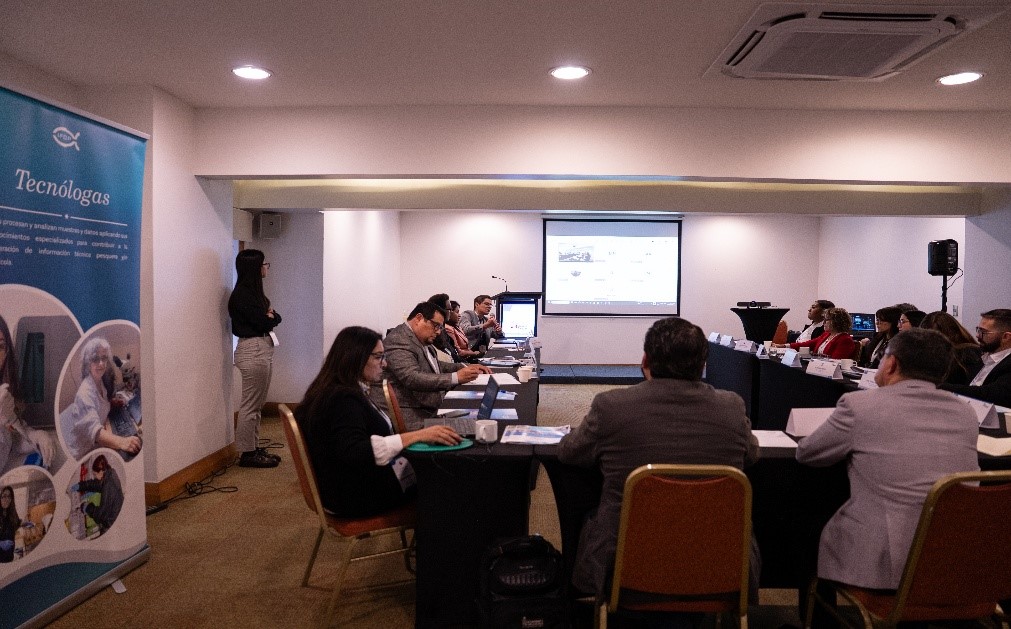 Luis Carroza L., senior researcher at IFOP and project leader, indicated that this activity culminates a process that began in April of this year and provides key input for achieving the project’s objectives. Indeed, the assessments conducted in each country have allowed us to identify commonalities and particularities regarding the use of socioeconomic information. Furthermore, a network of professionals working on this dimension is being consolidated in the Pacific Alliance countries, and through their joint efforts, we can implement mechanisms that promote and incentivize the incorporation of this type of information into the design and evaluation processes of public policies for fisheries and aquaculture within the framework of the Pacific Alliance.
For his part, Camilo Torres, head of the Department of Economics and Statistics, noted that the workshop’s objectives were met. These objectives focused on understanding each country’s results regarding the evaluation of the use of socioeconomic information in sectoral diagnostic and decision-making processes. A consensus was reached on the recommendations and lessons learned from the process, enabling the identification of mechanisms to incorporate the socioeconomic dimension into decision-making in fisheries and aquaculture in the countries that are part of the Network. It is worth highlighting that this was a learning experience for all participants, as understanding the specific characteristics of each country reinforced the need for socioeconomic aspects to be fundamental for the sustainable management of fisheries and aquaculture, given the interaction between people, markets, and countless productive relationships with other sectors of the economy.